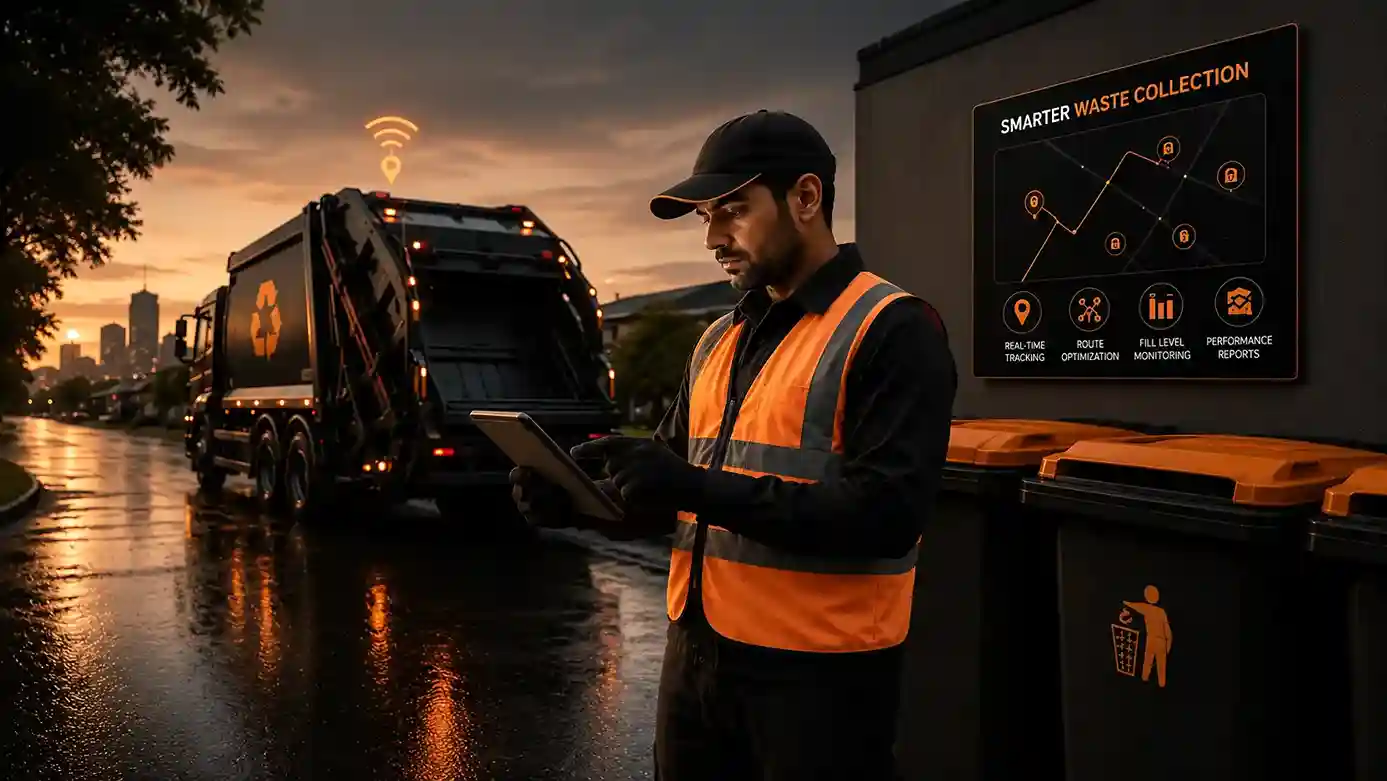
Smart Garbage Collection Management System
Improve collection efficiency with EIT's intelligent garbage collection management system, designed to help municipalities, contractors, and facility managers coordinate daily waste operations. Track collection vehicles in real time, monitor route completion, manage schedules, and review operational performance through a centralized cloud-based platform.
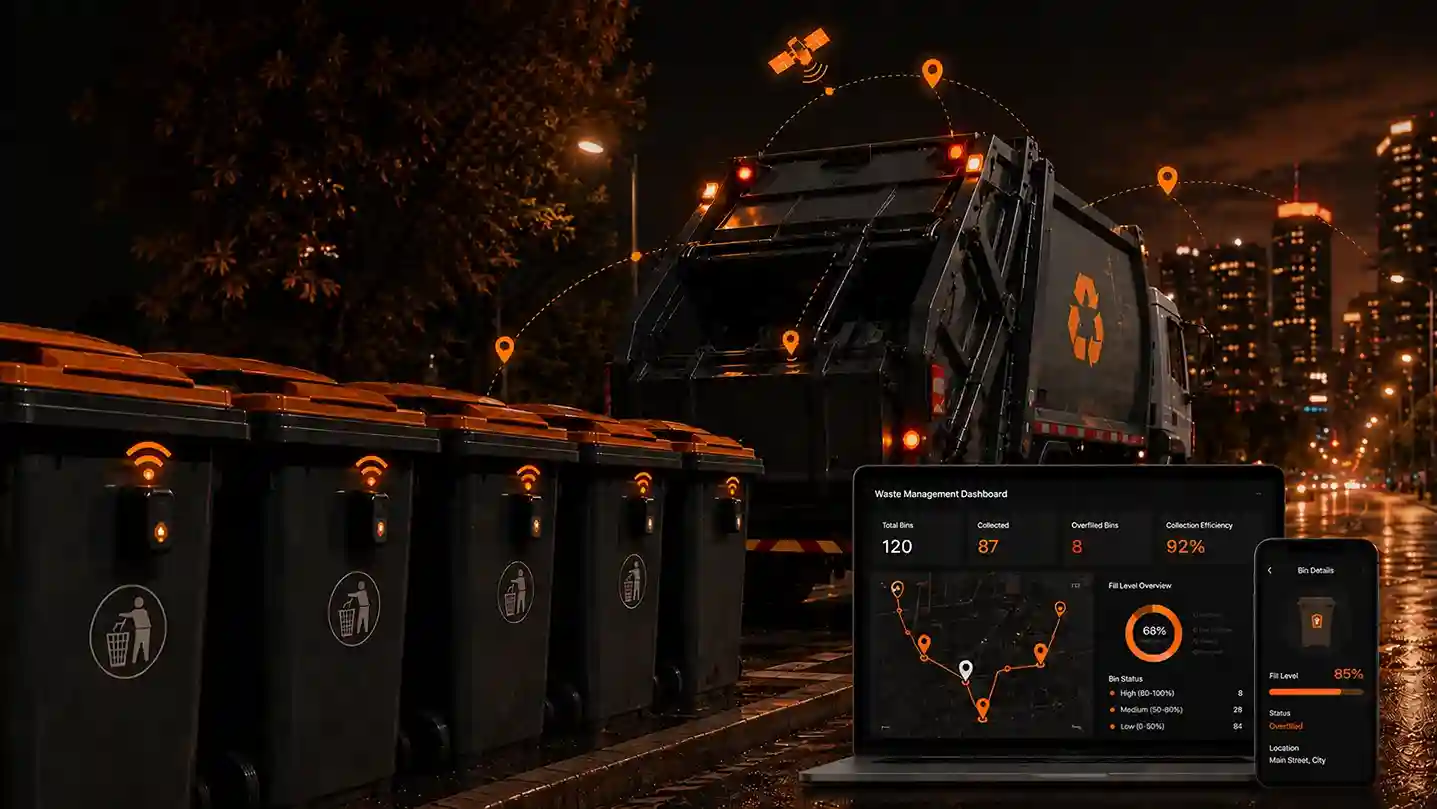
A Connected Approach to Smarter Waste Collection
EIT's Garbage Collection Management System helps municipalities, smart cities, waste management companies, and facility managers manage waste collection operations through GPS, RFID, and IoT technologies.
The solution connects field devices with centralized monitoring software, bringing waste collection activities and operational information into a unified platform. It provides teams with the tools to coordinate daily operations, review service activities, and manage collection resources more effectively.
By connecting field operations with digital monitoring, EIT supports better coordination, collection accountability, and informed operational planning.
Challenges in Traditional Waste Collection
Traditional waste collection often involves fixed schedules, manual reporting, and limited visibility into field operations. These limitations can affect collection reliability, increase operating expenses, and make it difficult to maintain consistent service levels.
Limited Vehicle Visibility
Without live location information, supervisors may struggle to determine where collection vehicles are, whether they are following assigned routes, or how much work remains.
Missed or Incomplete Collection Routes
When collection activities are not monitored properly, scheduled locations may be overlooked, leaving teams with limited information to verify service completion.
High Fuel Consumption
Inefficient routing, unnecessary journeys, and repeated trips increase fuel usage and place additional pressure on operating budgets.
Delayed Waste Collection
Fixed schedules may not reflect actual collection requirements, while limited field visibility can delay responses to changing conditions.
Limited Operational Reporting
Manual records make it difficult to review collection performance consistently, identify recurring problems, and make informed planning decisions.
Difficulty Monitoring Driver Performance
Without reliable trip information, assessing driving behaviour, idle time, route compliance, and overall vehicle utilization becomes more challenging.
Manual Route Planning
Planning and adjusting routes manually takes time and can result in longer journeys, inefficient schedules, and avoidable operational delays.
Increasing Operational Costs
Fuel, maintenance, labour, and unnecessary pickups can increase the cost of collection while reducing the resources available for other activities.
Connected Devices for Field Monitoring
EIT integrates compatible tracking and sensing hardware to capture vehicle movements and bin conditions, allowing operational teams to review field information through a connected application.
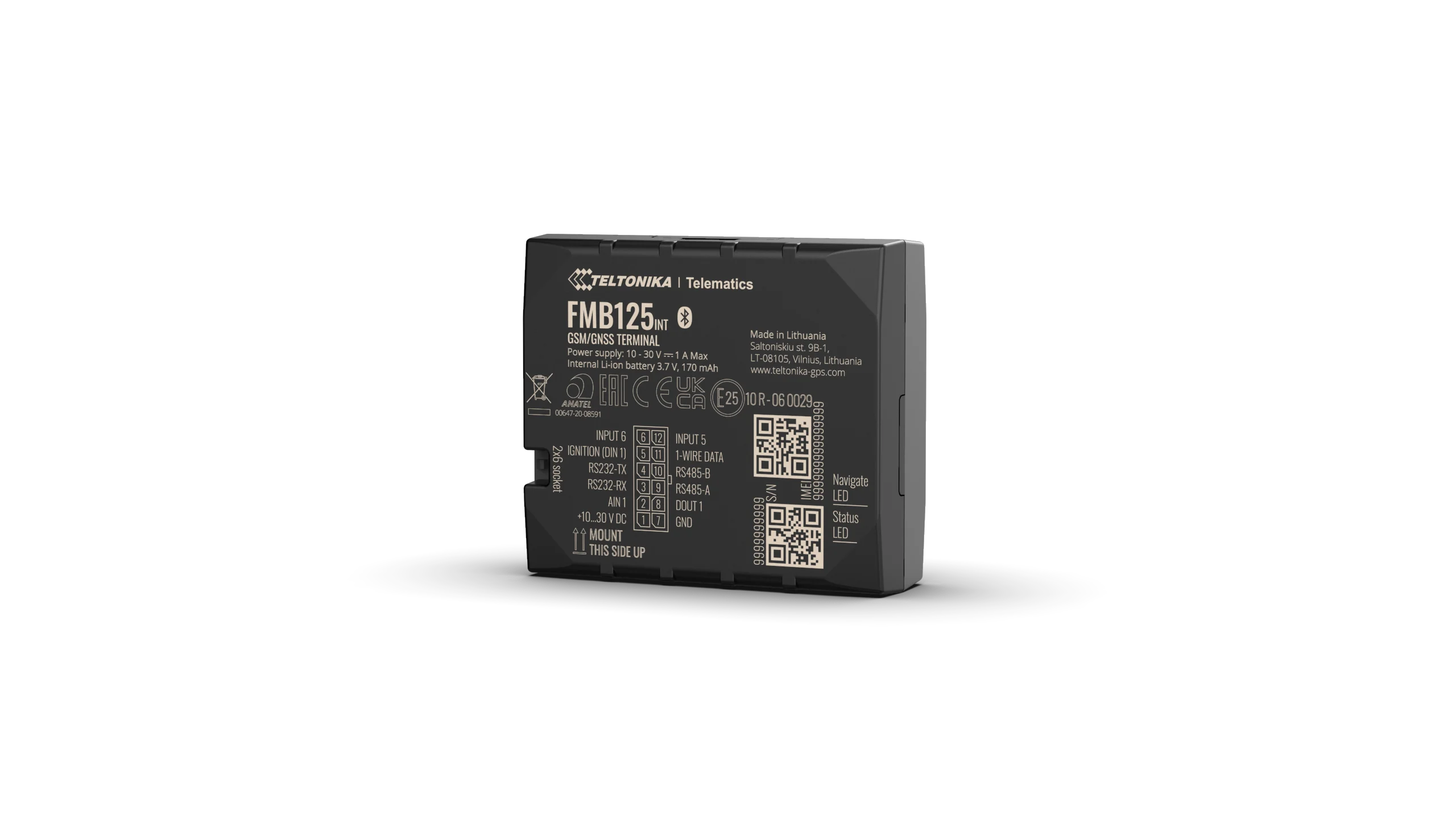
GPS Tracking Device
Capture vehicle locations and movement history to help supervisors monitor journeys and assess route completion.
Bin Level Sensor
Measure waste levels in compatible containers, helping teams identify which bins may require collection.
Connected Devices
Transmit available field data to the EIT platform, supporting centralized monitoring of connected vehicles and equipment.
One Platform for Daily Operations
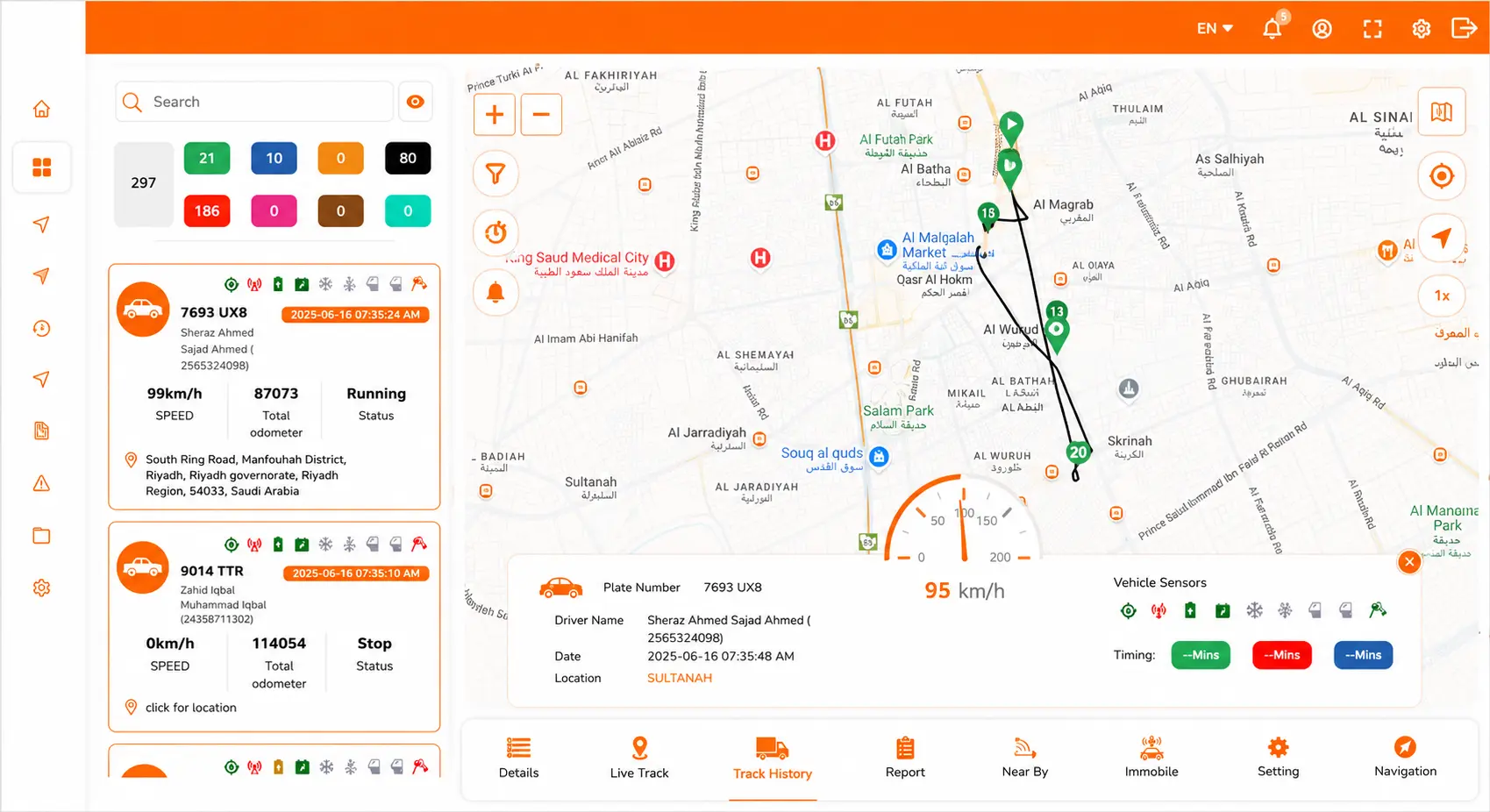
EIT's waste collection monitoring software brings vehicle locations, route records, bin information, and collection activities into one centralized interface. Teams can access the information they need to coordinate daily operations and review service performance.
Powerful Features for Efficient Waste Collection
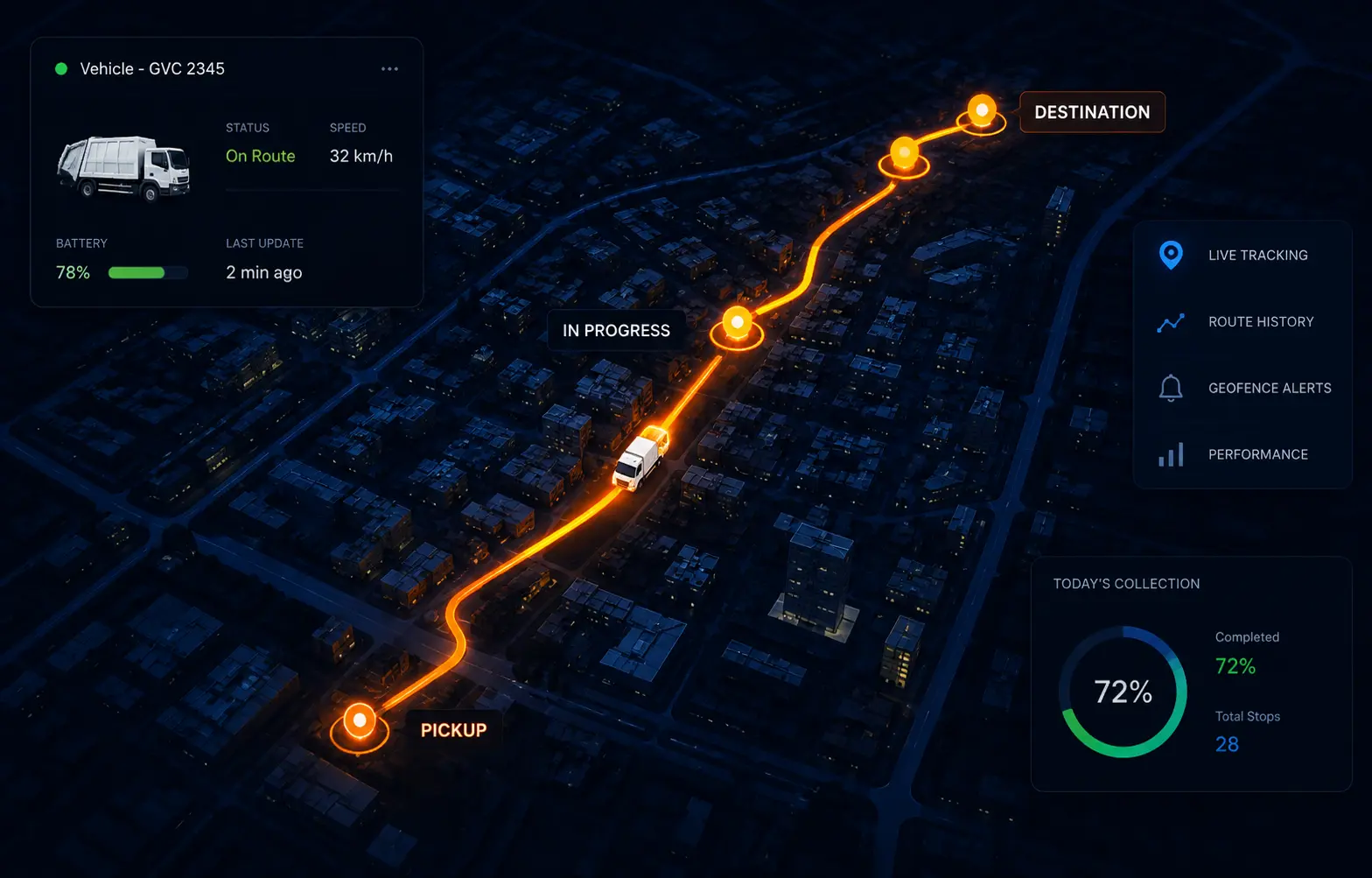
Real-Time Vehicle Tracking
Live Visibility
Track vehicle locations and movement history to monitor progress throughout the collection day and identify unexpected stops or delays.
Improve Everyday Waste Collection Operations
Improved Operational Efficiency & Collection Planning
Coordinate collection activities, monitor route progress, and use vehicle and bin information to organize daily schedules efficiently.
Greater Operational Visibility & Driver Accountability
Monitor fleet activities through a centralized view and review driver journeys to support better supervision and accountability.
Fewer Missed Collections & Improved Service Quality
Identify route deviations and incomplete pickups, allowing teams to address service gaps and maintain reliable collection services.
Data-Informed Decisions & Sustainable Operations
Review operational reports to improve resource planning, fleet deployment, and collection efficiency while reducing avoidable vehicle travel.
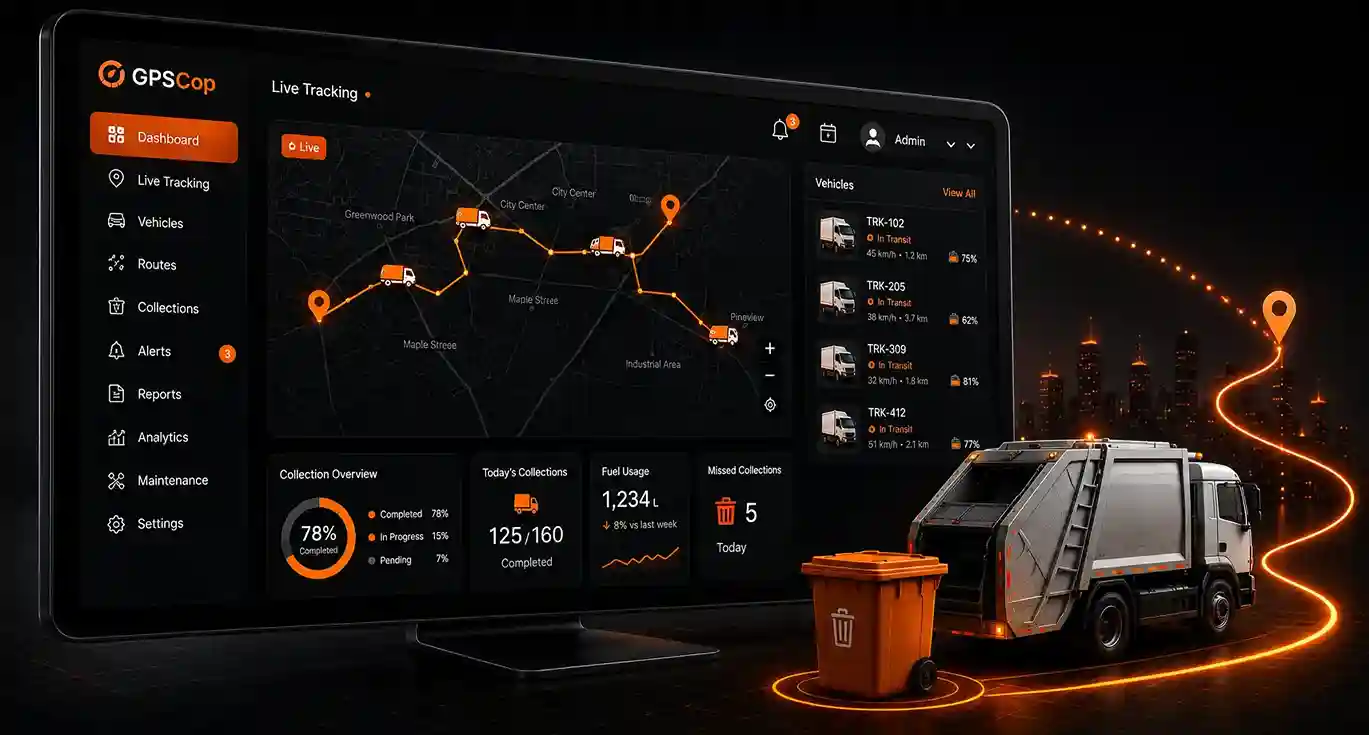
Turn Waste Operations into a Data-Driven Investment
EIT's real-time waste management system helps organizations assess how vehicles, labour, and collection resources are being used. Recorded activity and available bin data can support cost reviews, resource planning, and decisions about future operational requirements.
Reduced Fuel Expenditure
Review route activity to identify unnecessary journeys and opportunities to reduce avoidable mileage and fuel consumption.
Lower Collection Costs
Use compatible bin sensors and reported fill levels to help prioritize pickups and reduce unnecessary visits to containers that do not require immediate collection.
Better Overtime and Payroll Control
Use digital activity logs and trip records to review working hours, investigate discrepancies, and reduce dependence on manual reporting when assessing overtime and payroll claims.
Fewer Costs Associated with Missed Pickups
Use collection records and route information to investigate incomplete service, address recurring issues, and help avoid preventable complaint-handling and contractual costs.
More Effective Fleet Maintenance Planning
Review vehicle mileage, idle time, and trip activity to plan maintenance more effectively and manage excessive vehicle use that can contribute to wear and tear.
Improved Budget and Resource Allocation
Use collection reports to evaluate fleet utilization, review operational demand, and allocate budgets and resources according to identified requirements.
Designed for Different Collection Environments
Public Sector
Municipal Corporations
Monitor city-wide collection fleets, service coverage across municipal zones, and daily collection activities.
Urban Tech
Smart Cities
Support waste management for smart cities with better collection visibility and coordinated urban waste services.
Governance
Government Authorities
Maintain operational records to support contract monitoring, service evaluation, and public accountability.
Operations
Waste Collection Contractors
Review route completion, compare planned and recorded journeys, and investigate service discrepancies.
Services
Facility Management Companies
Coordinate scheduled pickups across multiple properties and monitor activities against service requirements.
Industry
Industrial Campuses
Manage internal waste movement using designated zones, planned routes, and recorded vehicle activity.
Community
Residential Communities
Support waste management in residential areas by reviewing scheduled pickups, identifying missed collections, and coordinating follow-ups.
Retail
Commercial Complexes
Monitor collection frequency and service performance across offices, shopping centres, and business parks.
Connected Technology for Better Operational Control
01
Integrated Monitoring
Bring vehicle movements, route information, and supported bin data together through one application, reducing the need to review separate operational records.
02
Data-Informed Planning
Use recorded collection activities and available sensor readings to assess performance, identify service gaps, and improve future scheduling.
03
GPS and IoT Integration Experience
Build on EIT's experience integrating location-tracking and connected-device technologies to support operational monitoring requirements.
04
Flexible Configuration
Adapt the monitoring setup to the selected hardware, fleet requirements, operating environment, and reporting needs.
05
Scalable Deployment
Configure the solution for different operational sizes, from individual facilities to larger collection networks.
06
Reliable Operational Visibility
Give supervisors access to relevant vehicle, route, and collection information to support daily monitoring and follow-up.
07
Sustainability-Oriented Operations
Improve route planning and reduce avoidable vehicle travel where possible, helping organizations manage fuel use and associated emissions.
08
Support for Operational Requirements
Align monitoring and reporting capabilities with the organization's collection processes and deployment requirements.
Transform Your Waste Collection Operations.
Improve collection coordination, manage operating expenses, and gain greater visibility into field activities with EIT's GPS and RFID waste monitoring solution. Bring vehicle tracking, collection records, and supported bin monitoring together to help your teams work more efficiently.
Frequently Asked Questions
Everything you need to know about Smart Waste Management


Contact Us