
Smart Temperature Monitoring for Industry & Cold Chain
Track Temperature Conditions During Transit and Storage
Goods that require controlled temperatures need to be monitored as they move between locations or remain in storage. EIT brings data from compatible sensors into a connected system and can include GPS details where the installation supports them. This helps teams examine recorded conditions and follow up on unexpected readings.
Users can check available measurements remotely and set limits that trigger notifications when conditions fall outside the specified range.
Sensor Data | Temperature Notifications | GPS Connectivity | Remote Access
A Shared View of Temperature Data
Review Readings from Connected Locations
EIT's temperature monitoring system brings together information from compatible sensors, allowing businesses to review conditions across supported vehicles, storage facilities, and industrial sites.
Current measurements can be examined alongside previous records, making it easier to track changes over time and identify readings that need attention.

Monitoring Data Available
The Difficulties of Monitoring Temperature-Sensitive Goods
Maintaining suitable conditions becomes more challenging when goods travel between locations or are stored across multiple facilities. Periodic manual inspections may not capture every change that occurs between checks.
These issues make accessible sensor data, historical records, and configurable notifications valuable for day-to-day monitoring.
Businesses may encounter challenges such as:
Changes going unnoticed
Temperature readings can move outside the required range between scheduled inspections.
Limited access across locations
Checking conditions at different facilities or in moving vehicles can take additional coordination.
Multiple environments to oversee
Storage rooms, warehouses, and refrigerated transport may each require separate monitoring arrangements.
Gaps in historical information
Reviewing earlier conditions becomes harder when past readings are not readily available.
Delayed investigation
Staff may need to spend extra time identifying when a temperature deviation occurred and determining the next action.
A Connected Approach to
Temperature Monitoring
EIT brings compatible sensors, IoT communication equipment, and a monitoring platform into one setup for collecting and reviewing data from supported vehicles, storage locations, and industrial environments.
Sensor Data Collection and Transfer
Compatible sensors measure temperature and, when required, humidity. An IoT gateway receives the measurements and passes them to the monitoring platform.
Temperature Threshold Notifications
Users can define limits appropriate to the monitored environment. If a reading crosses a configured threshold, the system can generate real-time alerts for temperature deviations so the event can be checked.
GPS Data Integration
Where GPS functionality is supported, location details can be reviewed with temperature measurements to help explain events involving goods in transit.
Remote Information Access
Available readings and records can be accessed through supported interfaces. The features available depend on the equipment, configuration, network connection, and service coverage.
Practical Tools for Reviewing Sensor Data
EIT's monitoring capabilities give teams access to collected measurements and records for reviewing conditions across their operations.
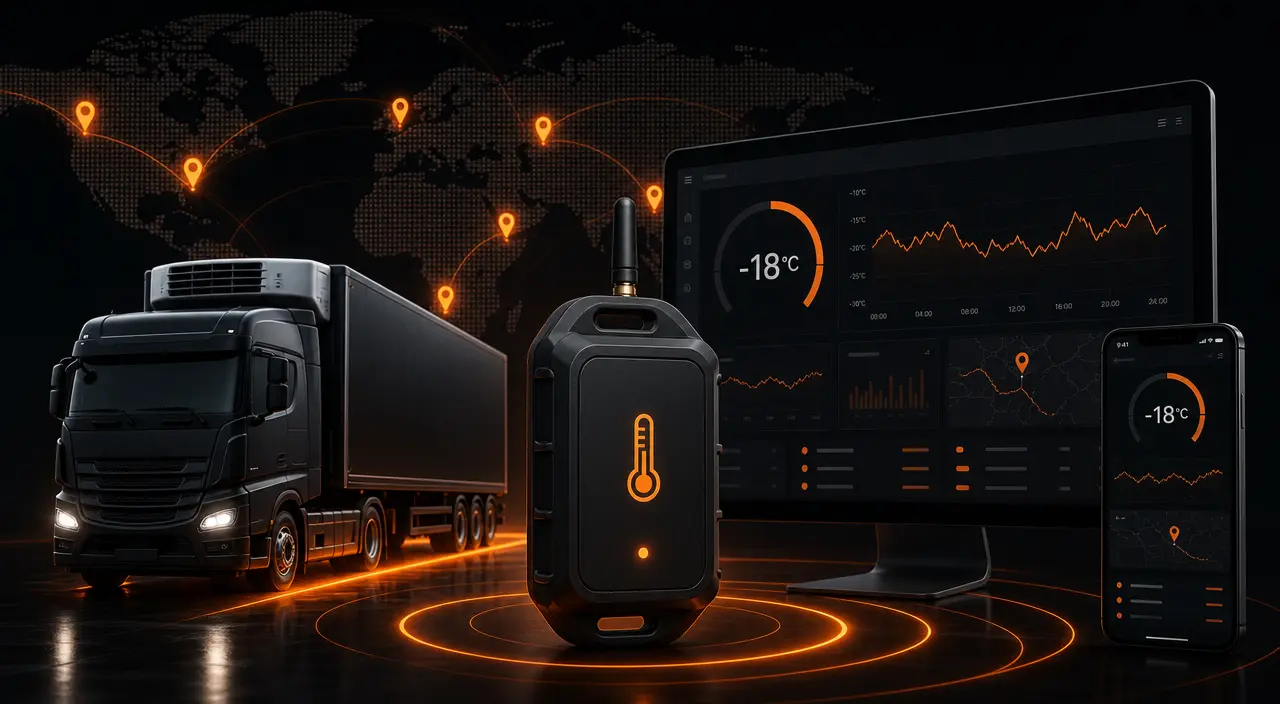
Live Reading Access
View incoming data from connected sensors installed in compatible vehicles, storage facilities, and industrial environments.
Temperature and Humidity Measurements
A temperature and humidity monitoring system can collect both types of readings when the installation includes compatible sensors.
Web and Mobile Interfaces
Temperature monitoring via mobile and web lets users access supported readings and records through the available platform interfaces. Mobile functionality depends on the selected system.
Historical Data and Reports
Refer to stored measurements and event records to examine earlier conditions, review unusual readings, and maintain operational documentation.
Equipment for Different Monitoring Requirements
Hardware selection depends on the environment being monitored, the required measurement range, the expected accuracy, and the available communication methods. EIT supports suitable configurations using compatible IoT gateways and wired or wireless sensors.

GPS Tracking and IoT Gateway
The gateway collects data from connected sensors and transfers it to the monitoring platform. GPS-based positioning can also be available in supported configurations.
Available capabilities include
- 4G network connectivity
- GPS/GNSS positioning
- Communication with connected sensors
- RS232 / RS485 interface support
- Integration with compatible temperature sensors
- Use in vehicle and industrial IoT applications
Wired Temperature Sensor
A wired sensor can be used in compatible setups for refrigerated vehicles, trailers, freezers, cold rooms, and storage facilities.
- Temperature range
- Up to -40°C to +120°C
- Accuracy
- Up to ±0.5°C
- Connection
- Wired link to compatible monitoring equipment
The applicable range and accuracy must be checked against the specifications of the particular sensor model.
Wireless Temperature and Humidity Sensor
Wireless sensors provide an alternative where flexible placement is preferred or installing cables is inconvenient. Compatible models measure temperature and humidity and transmit their readings to an associated IoT gateway.
Possible applications include refrigerated vehicles, cold rooms, freezers, refrigerators, and other locations where temperature conditions need to be observed.
Temperature Monitoring for Different Business Applications
Monitoring requirements vary according to the goods being handled, their storage or transport conditions, and the equipment used. The setup should be selected to suit the needs of each application.

Cold Chain and Logistics
Cold chain temperature monitoring gives teams access to recorded conditions during transit, helping them review changes and investigate readings that may need attention.

Food and Beverage
Connected sensors can help businesses review conditions in environments used to store or transport fresh, chilled, frozen, and perishable food products.

Healthcare and Hospitals
Monitoring can be used to oversee suitable storage areas containing temperature-sensitive medicines, vaccines, laboratory materials, and medical supplies.

Refrigerated Storage
Compatible sensors provide readings from refrigerators, freezers, cold rooms, and other controlled storage spaces.

Warehouse Operations
Businesses can review conditions in monitored warehouse areas holding temperature-sensitive stock and identify readings that warrant further investigation.

Refrigerated Fleet Operations
Sensors can measure conditions inside compatible refrigerated trucks, trailers, and containers. Where GPS tracking is available, location details can help teams examine events associated with a journey.
Better Use of Temperature Monitoring Data
EIT combines sensor readings, stored information, and configurable notifications to help businesses review conditions across temperature-sensitive operations.
Visibility Between Manual Checks
Access measurements collected between scheduled inspections to gain more information about changes that may occur during operation.
Notifications for Threshold Breaches
24/7 automated temperature alerts can notify users when configured limits are crossed, subject to equipment capability, connectivity, and platform availability.
Records to Support Investigation
Review available measurements, alerts, and historical records together when examining unexpected temperature changes.
Extendable Monitoring Setup
Additional compatible vehicles, storage areas, and other assets can be incorporated as monitoring requirements grow.
The results depend on appropriate hardware selection, network availability, system configuration, and how teams review and act on the collected data.
Keep Every Degree
Under Control
EIT helps businesses assess temperature-monitoring requirements for transportation, storage, and industrial environments using compatible sensors, communication hardware, and monitoring platforms.
Discuss your application, required measurements, and integration needs with our team to identify a suitable monitoring setup.
Frequently Asked Questions
Everything you need to know about Temperature Monitoring


Contact Us