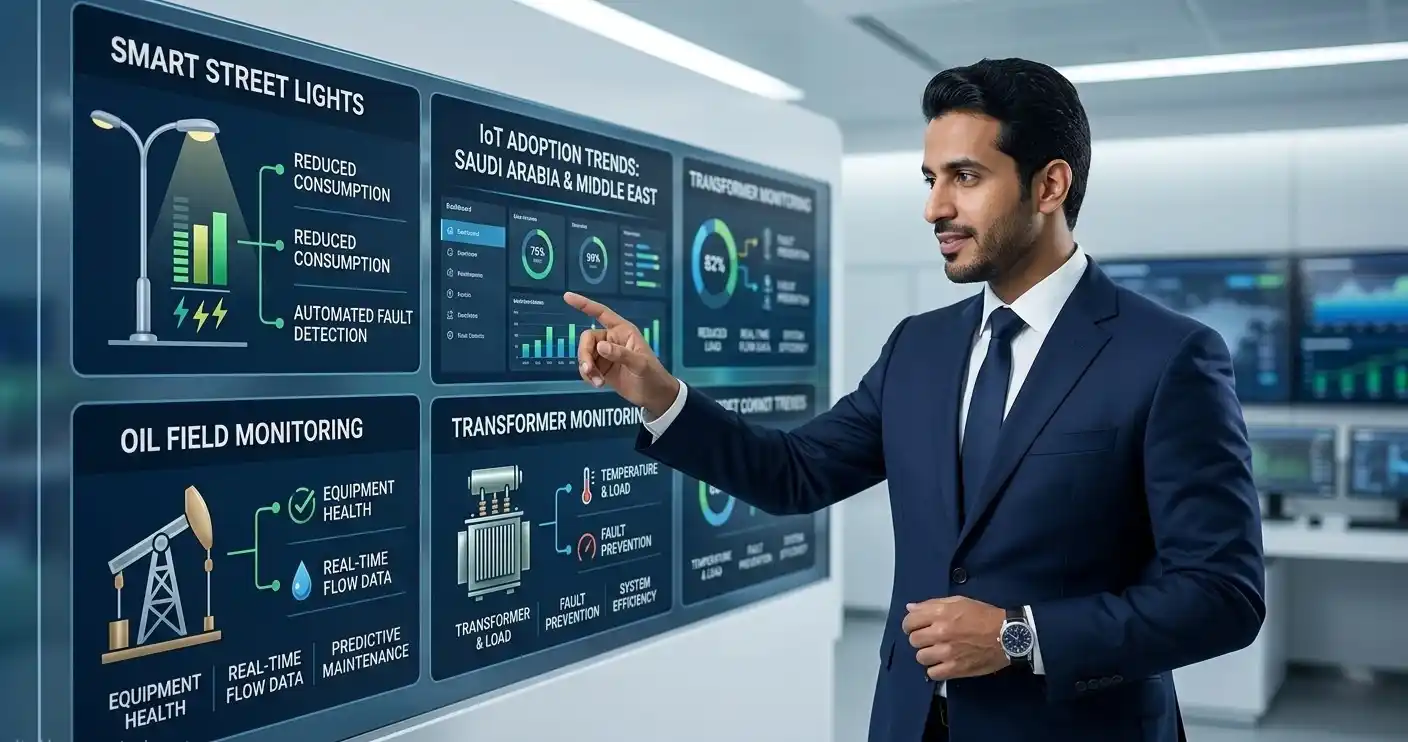
IoT Adoption Trends in the Middle East & Saudi Arabia
Introduction
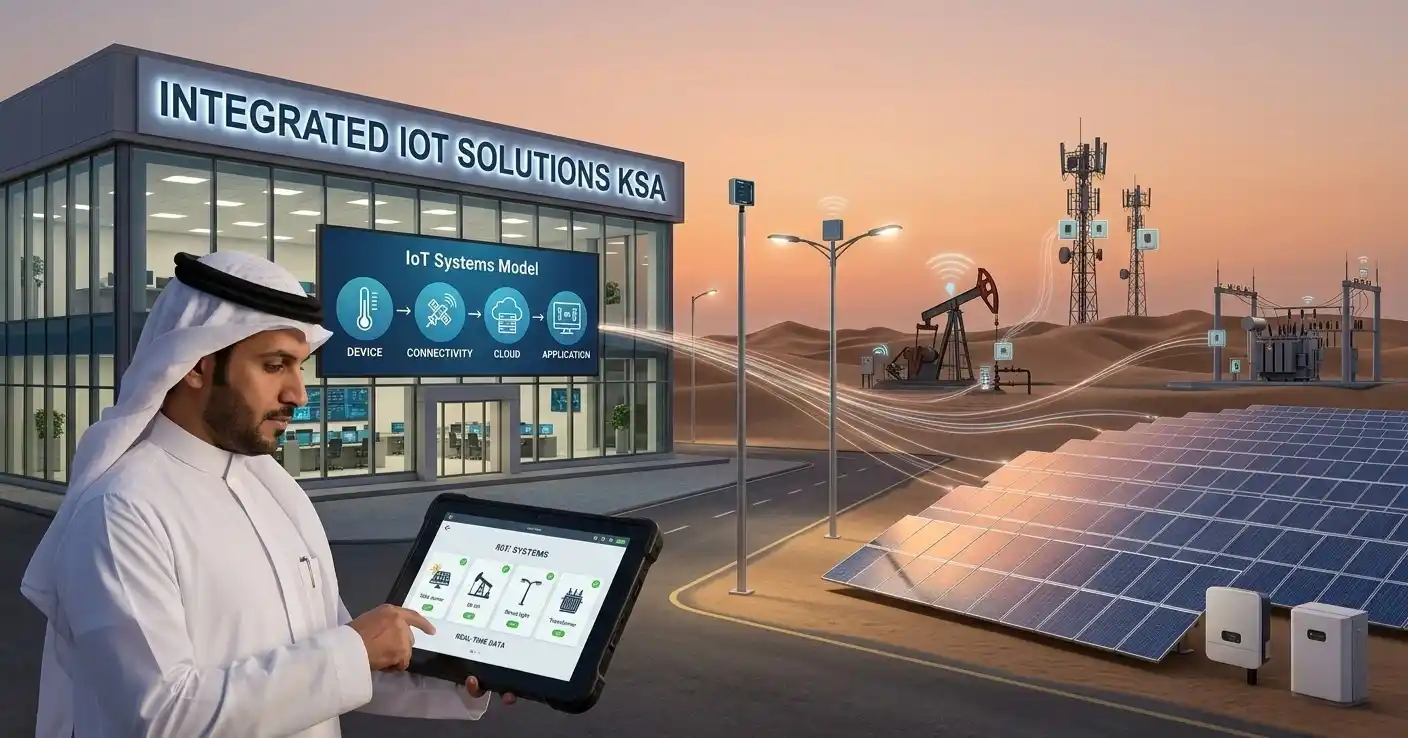
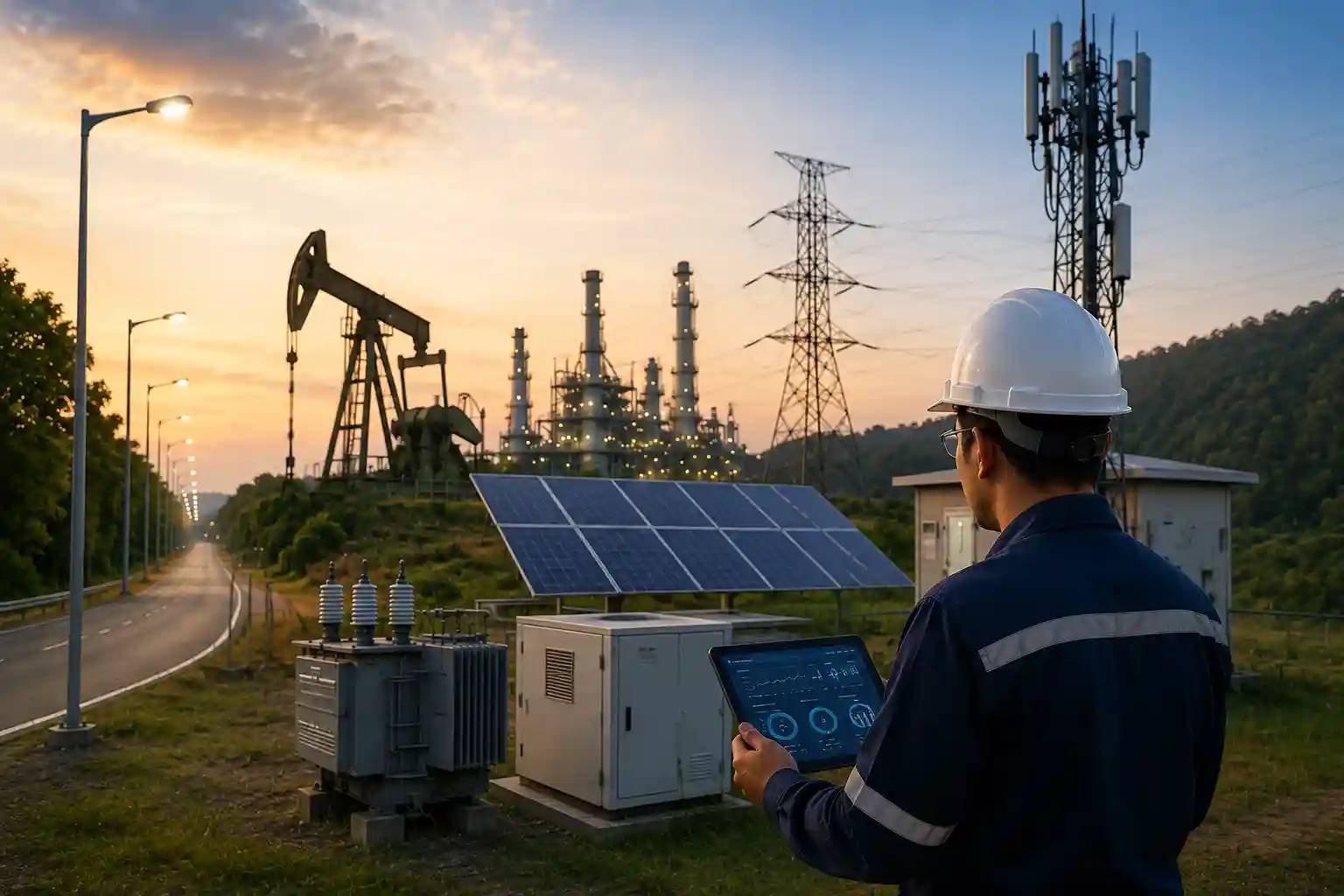
The Middle East is rapidly embracing digital transformation, with Saudi Arabia leading the region through major investments in smart infrastructure, industrial modernization, and connected technologies. Businesses across sectors are focusing on automation, operational visibility, and data-driven decision-making to improve efficiency and support long-term growth.As industries continue evolving, organizations are increasingly adopting IoT solutions to create smarter and more connected operational environments.
Growing Adoption Across Industries
IoT is transforming the way industries manage operations, monitor assets, and improve productivity. Connected technologies now allow businesses to collect real-time data, automate processes, and identify operational issues before they impact performance.Industries such as manufacturing, utilities, logistics, healthcare, and telecommunications are using intelligent monitoring systems to improve efficiency and reduce manual intervention. This growing adoption is helping organizations move toward more proactive and scalable operations.
Smart Cities and Urban Infrastructure
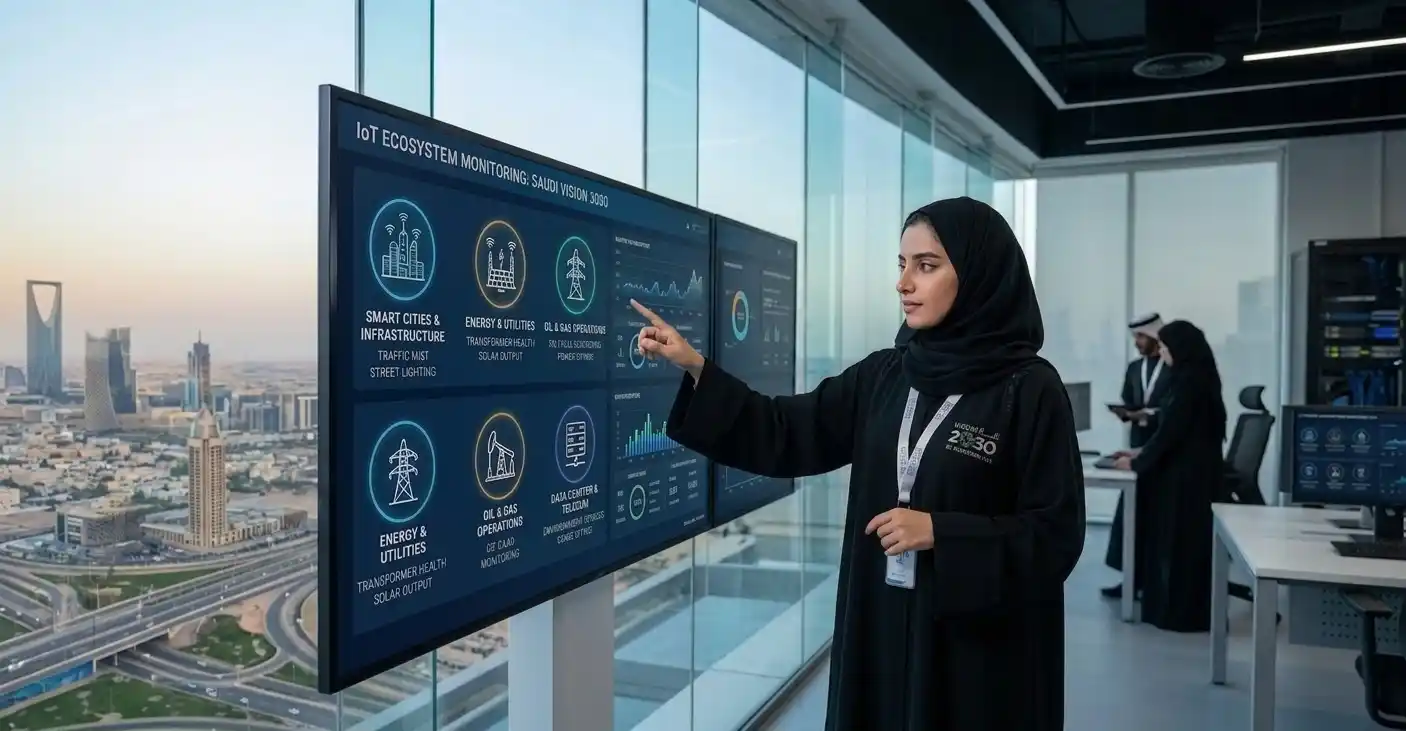
Smart city initiatives are becoming a major focus across Saudi Arabia as urban development projects continue to expand. Connected infrastructure is helping municipalities improve traffic management, public safety, energy efficiency, and city operations.
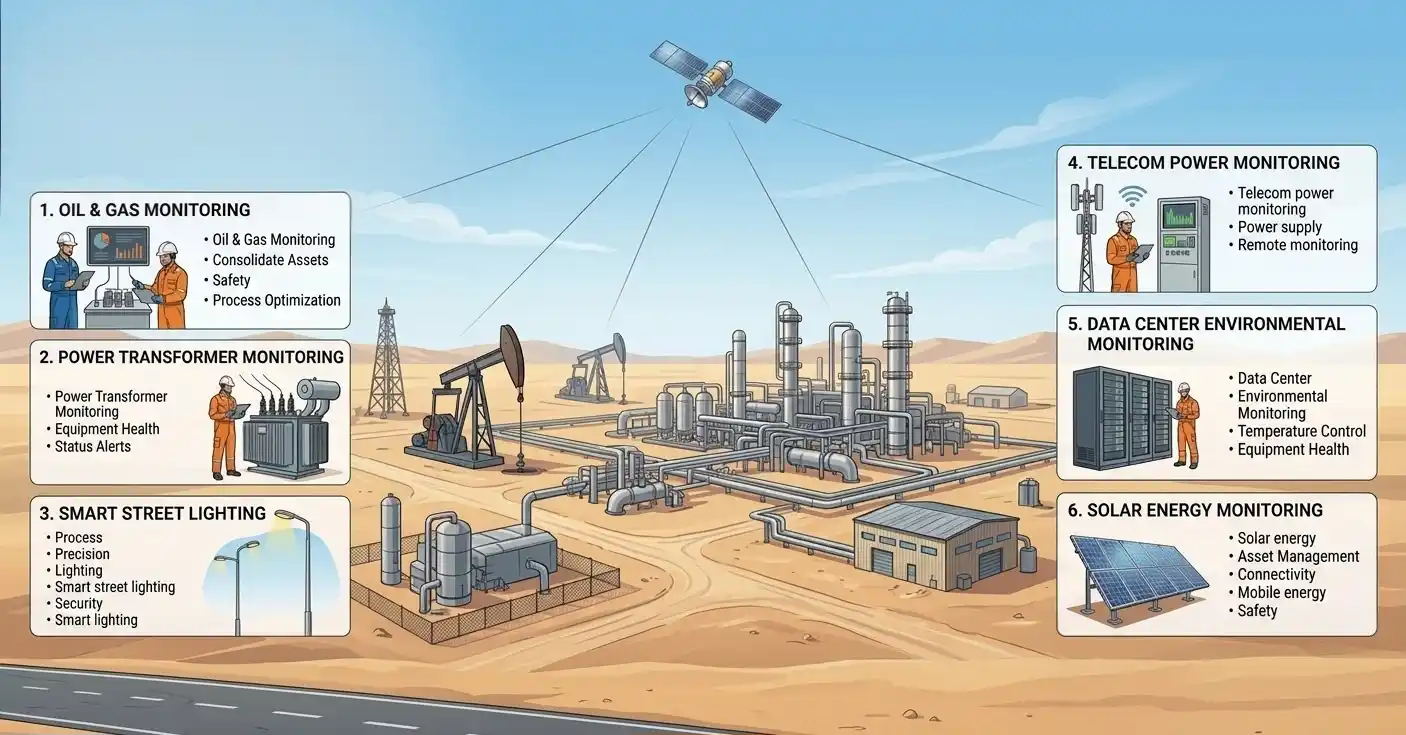
Modern cities are also implementing smart street light monitoring system technologies that help automate lighting schedules, reduce energy consumption, and identify maintenance issues quickly. These systems improve operational efficiency while supporting sustainable urban development.
Large-scale projects like NEOM are showcasing how intelligent infrastructure can improve urban living through connected technologies.
Digital Transformation in Oil & Gas
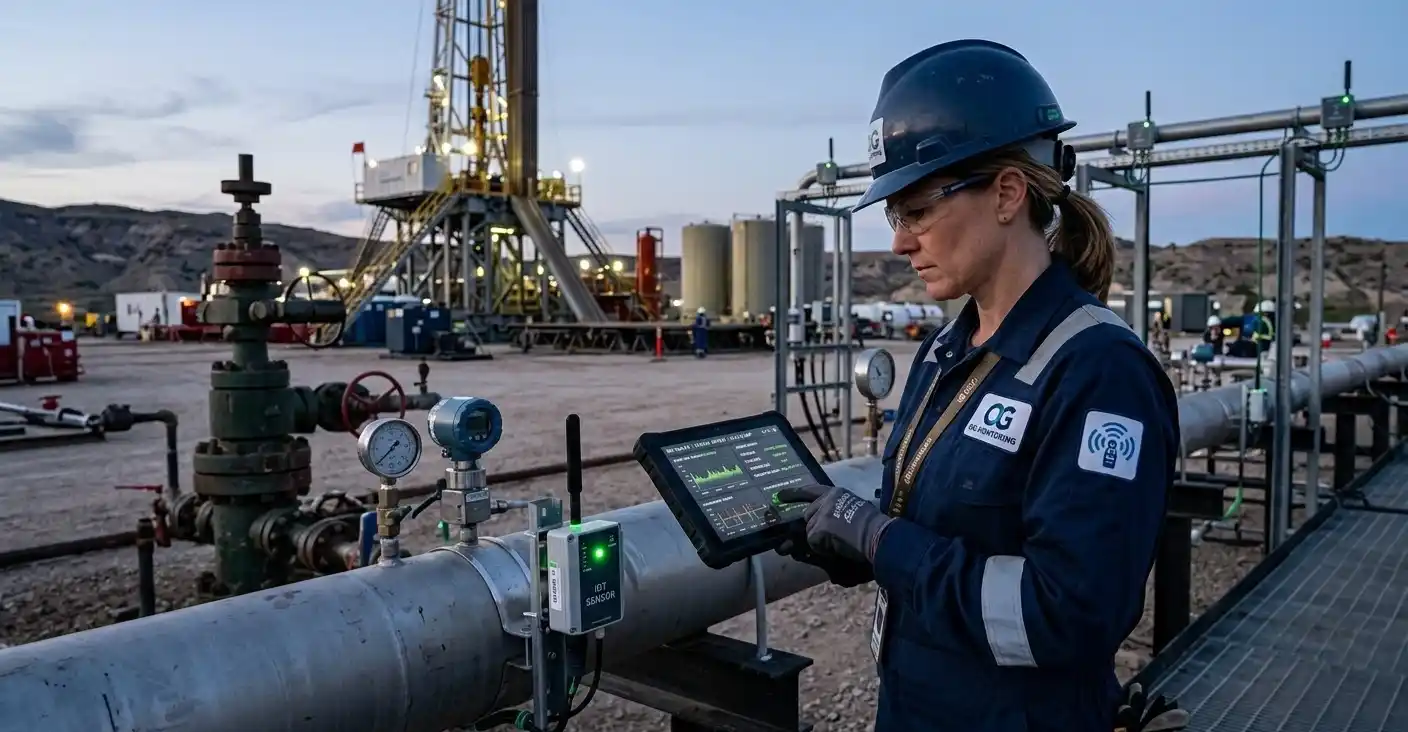
Saudi Arabia's oil and gas industry is increasingly integrating advanced monitoring technologies to improve operational visibility and field performance.
Using oil field monitoring platforms, companies can remotely monitor equipment conditions, track field operations, and improve maintenance planning in real time. These technologies help reduce downtime, improve safety standards, and support better decision-making across remote industrial environments.
The growing use of predictive monitoring is also helping operators improve asset reliability and operational efficiency.
Smarter Energy and Utility Management
Reliable energy infrastructure is essential for industrial and economic growth. Utility providers are adopting intelligent monitoring systems to maintain stable operations and reduce unexpected equipment failures.
Advanced transformer monitoring technologies allow operators to continuously track load conditions, equipment temperature, and overall transformer health. This improves maintenance planning, increases reliability, and supports efficient power distribution across utility networks.
Industries are also investing in industrial IoT solutions to improve operational performance and energy management across critical infrastructure.
Telecom and Connected Infrastructure
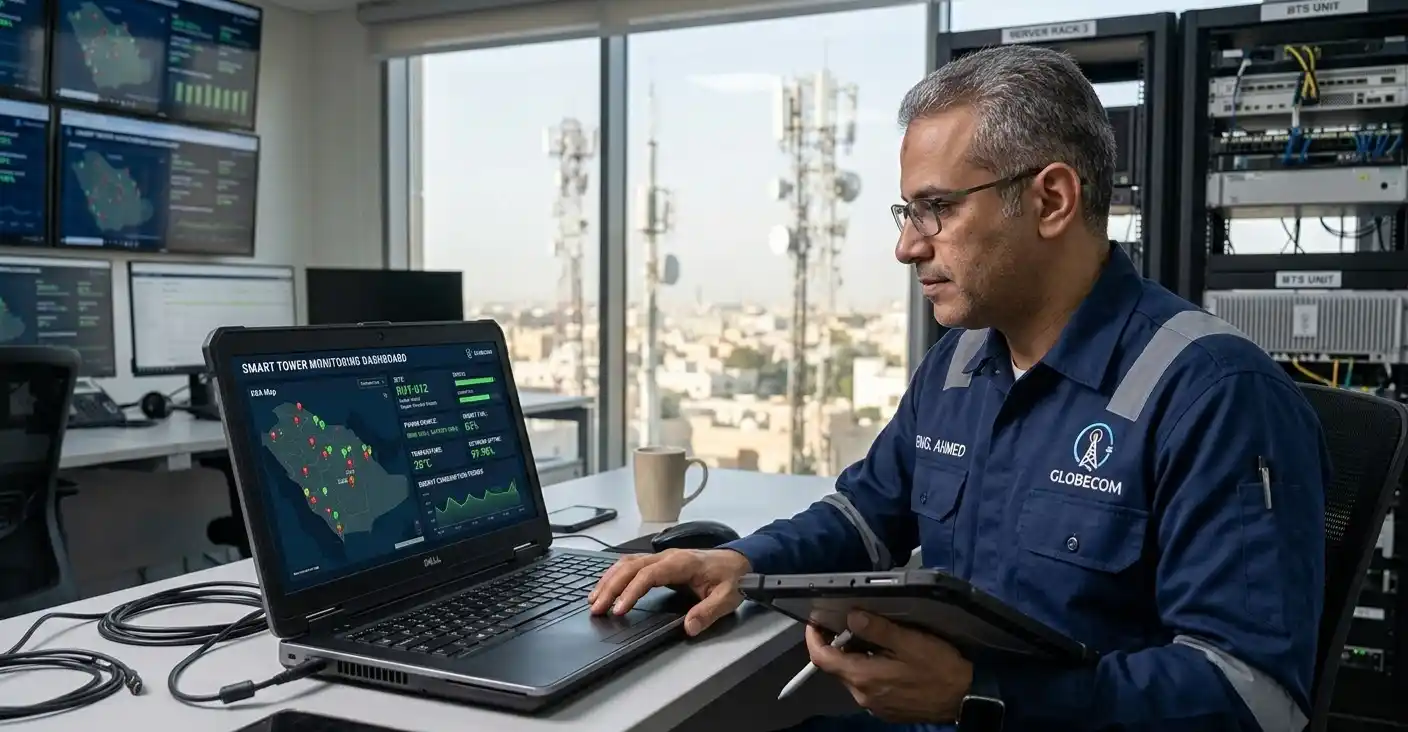
Telecommunications infrastructure plays a vital role in supporting digital transformation across the region. IoT technologies help telecom operators monitor power systems, backup batteries, and energy usage across remote tower locations.
Modern telecom power monitoring System solutions improve uptime, reduce operational disruptions, and help operators manage energy resources more efficiently across distributed telecom networks.
Smarter Data Center Operations
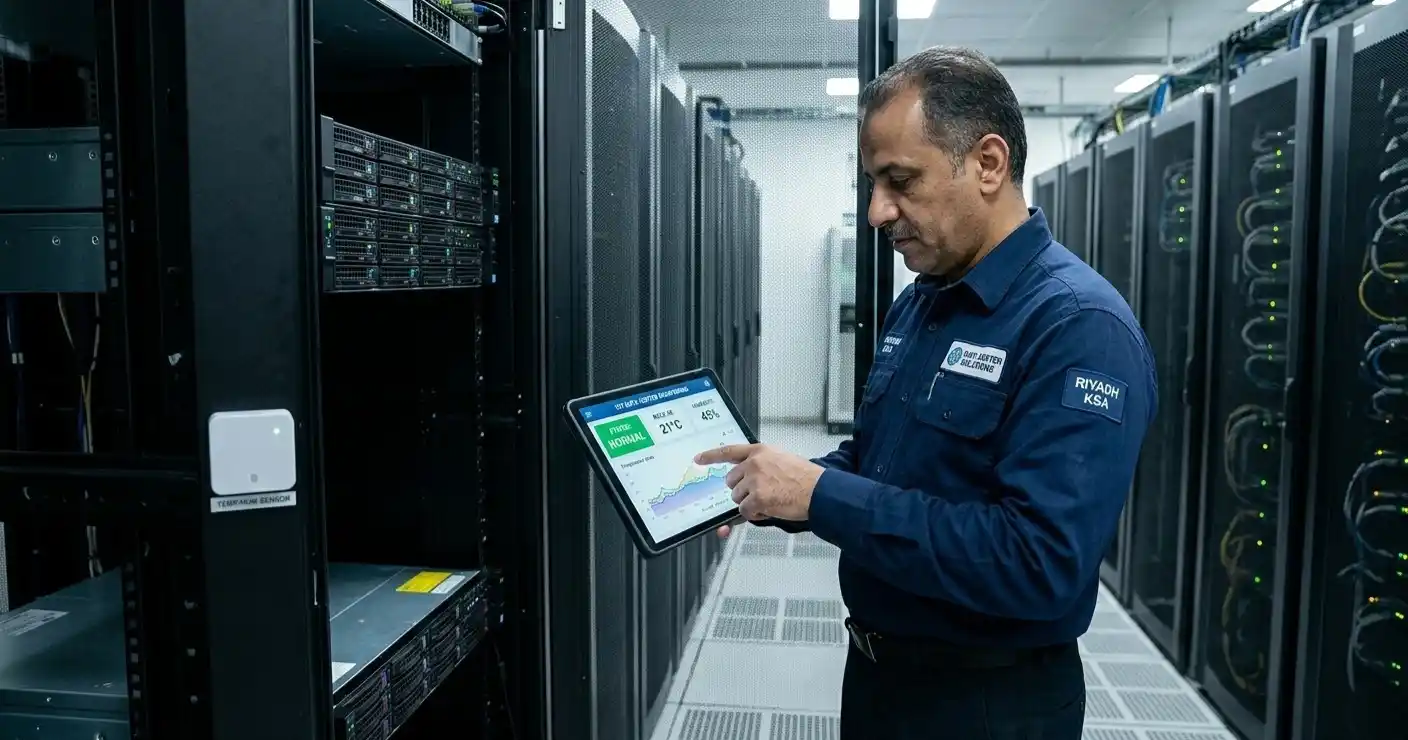
As digital services and cloud-based platforms continue to expand, data centers require stable environmental conditions to maintain reliable performance.
Organizations are increasingly adopting Data Center Environment monitoring systems to track temperature, humidity, airflow, and power conditions in real time. These monitoring systems help improve infrastructure reliability, reduce cooling inefficiencies, and support energy-efficient operations.
Many enterprises are also investing in data center IoT solutions to maintain secure and optimized digital infrastructure.
Renewable Energy and Sustainability
Saudi Arabia's growing focus on renewable energy is accelerating the adoption of intelligent monitoring technologies across solar projects and clean energy infrastructure.
Modern facilities use smart solar monitoring system technologies to monitor energy generation, track inverter performance, and detect faults in real time. These systems help improve efficiency, support predictive maintenance, and maximize energy output across solar installations.
Connected monitoring technologies are playing an important role in supporting the country's sustainability and clean energy goals.
Conclusion
IoT adoption in the Middle East and Saudi Arabia is evolving rapidly, driven by the need for smarter infrastructure, efficient operations, and sustainable growth. Across the region, IoT is reshaping major industries, from smart cities and energy management to industrial automation and the oil & gas sector. As businesses continue to invest in advanced technologies, adopting scalable and intelligent IoT strategies will be crucial to staying competitive and future-ready.