How IoT is Transforming Businesses in Riyadh
Introduction
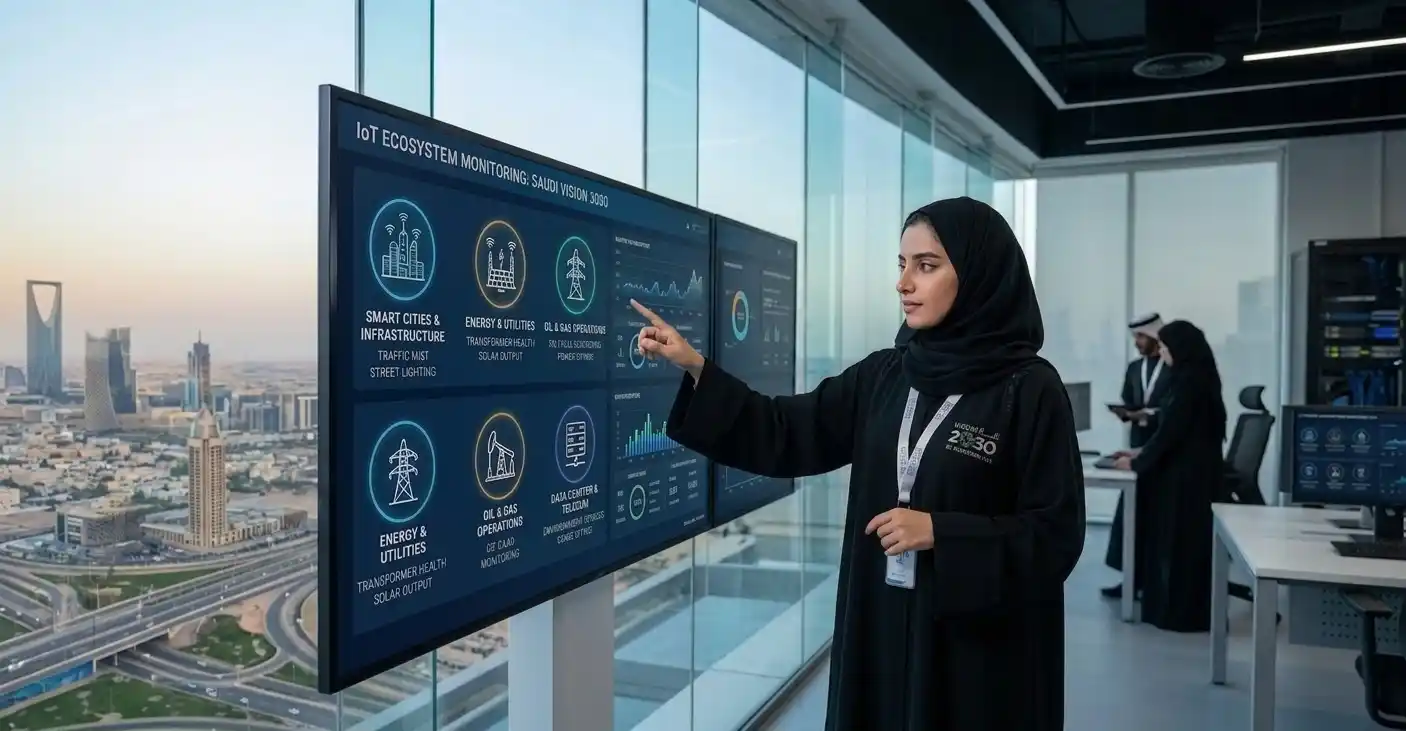
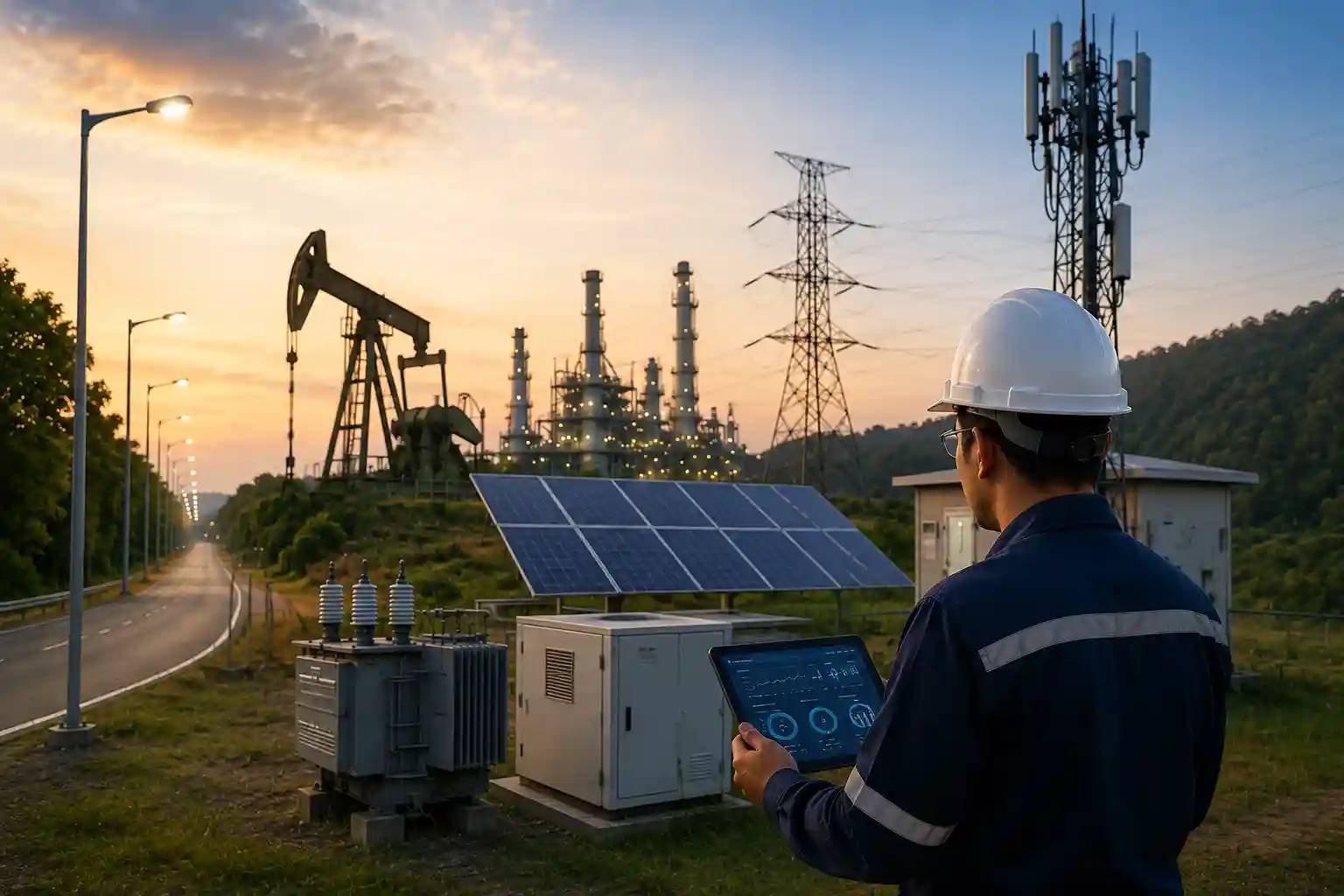
Riyadh is quickly transforming into a modern business and technology center, with organizations adopting advanced digital solutions to improve operational efficiency, lower costs, and achieve greater visibility across their daily activities. From infrastructure and utilities to telecom and renewable energy, businesses are increasingly investing in IoT solutions in Riyadh to support automation and long-term growth.
Connected technologies are helping organizations streamline operations, monitor assets in real time, and make faster data-driven decisions. As digital transformation accelerates across the Kingdom, IoT continues to play a major role in building smarter and more efficient business environments.
What IoT Means for Businesses Today
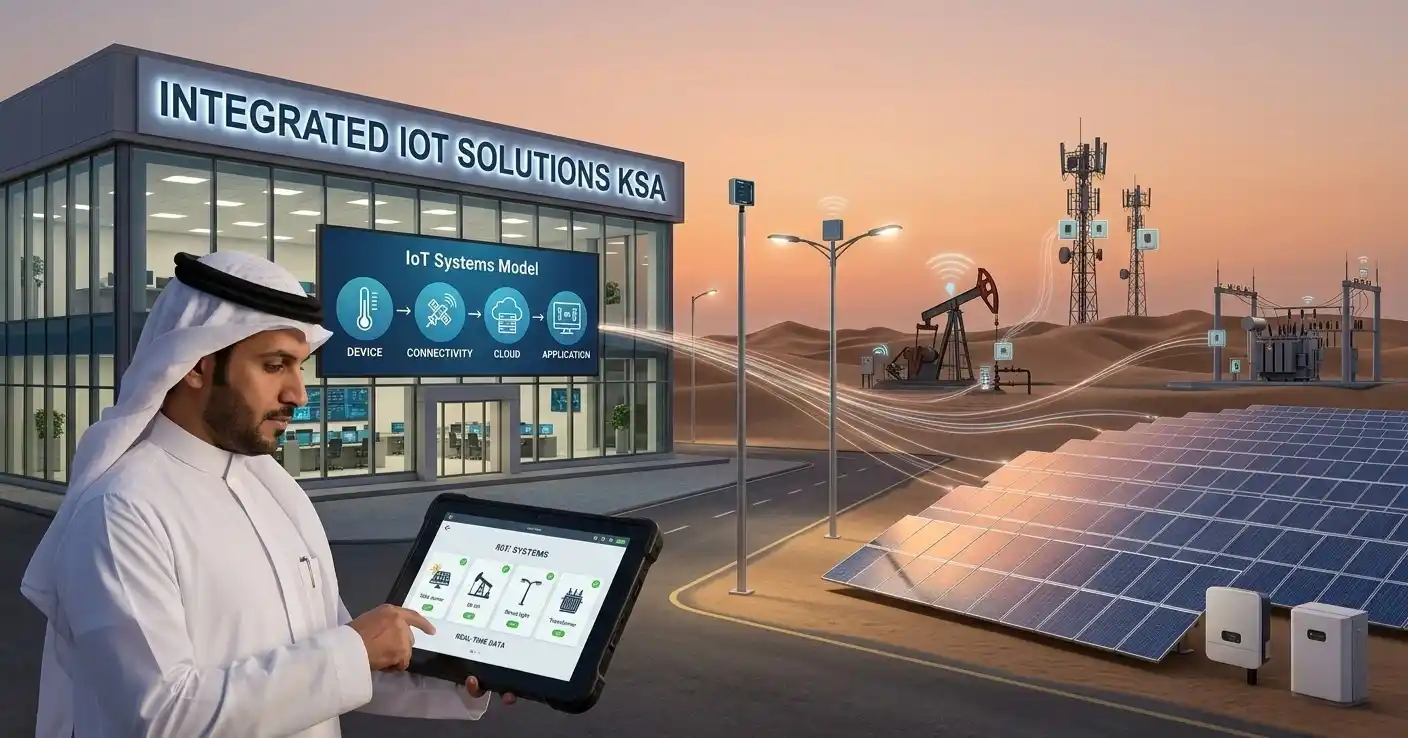
The Internet of Things connects physical devices, sensors, and machines to centralized digital platforms that collect and process operational data. These systems help organizations automate workflows, monitor equipment remotely, and improve overall operational control.
A modern internet of things platform combines connected devices, cloud analytics, and intelligent monitoring tools to create more efficient and scalable operations across industries.
Why Businesses in Riyadh Are Embracing IoT
Businesses across Riyadh are increasingly focusing on automation, operational efficiency, and infrastructure modernization. The growing need for real-time visibility and energy optimization is driving the adoption of smart monitoring technologies across multiple sectors.
Key drivers include:
Expansion of urban infrastructure:
Need for real-time operational visibility:
Focus on energy efficiency:
Increased reliance on automation:
Key Areas Where IoT is Making an Impact
Smart Infrastructure and Lighting
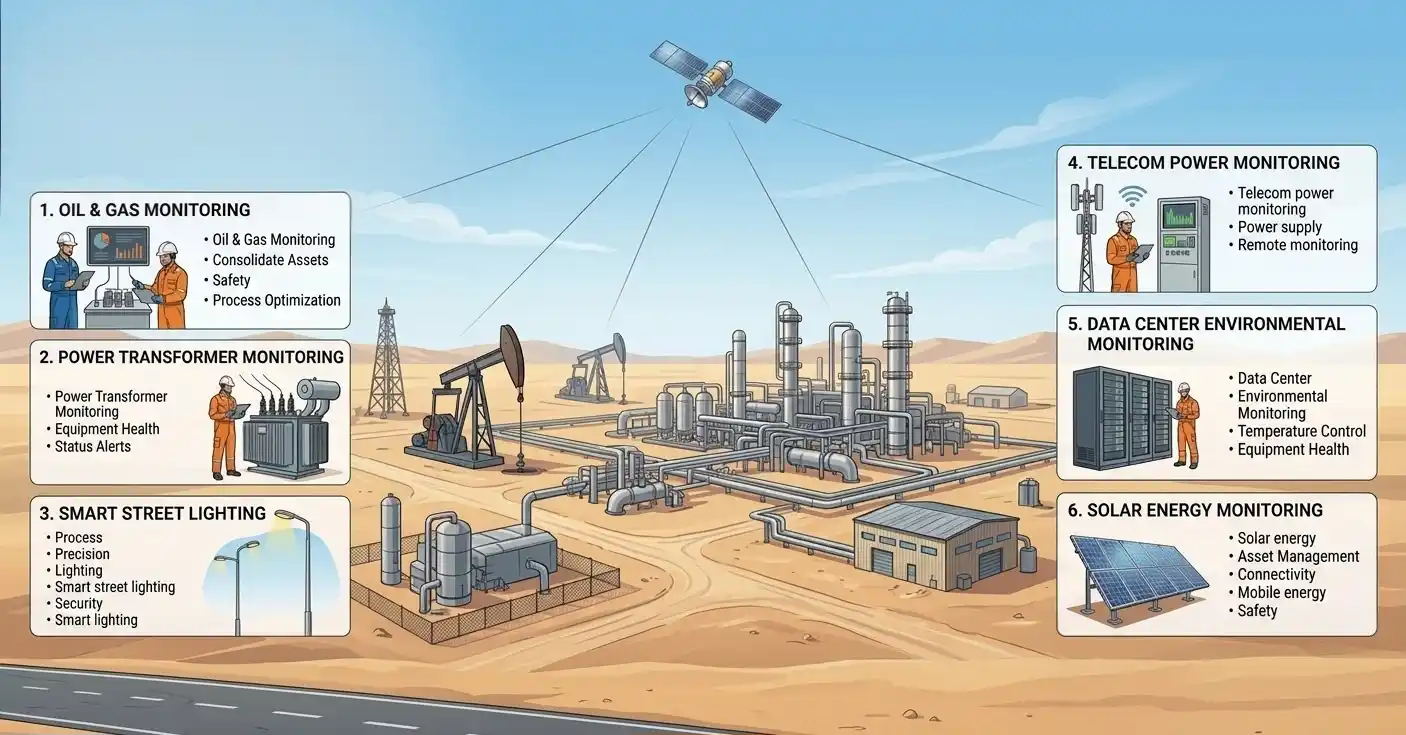
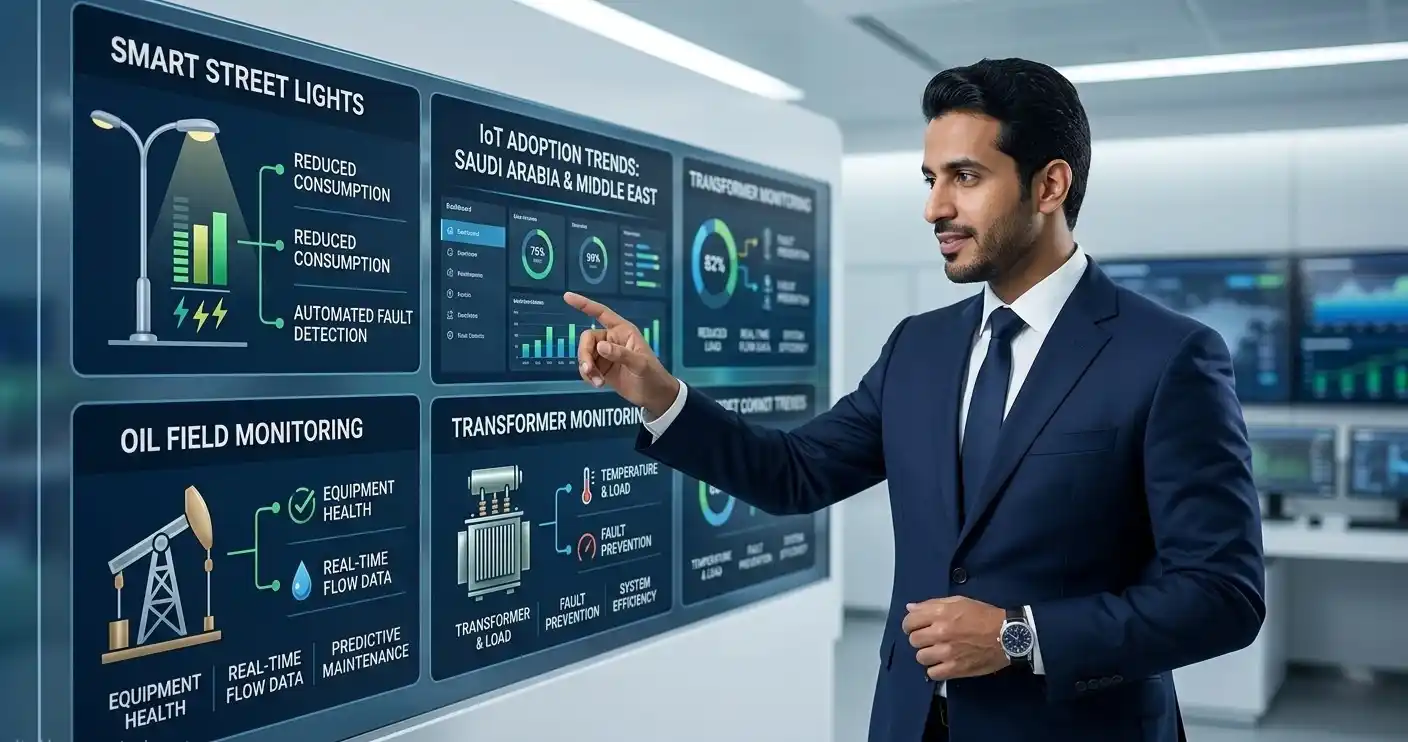
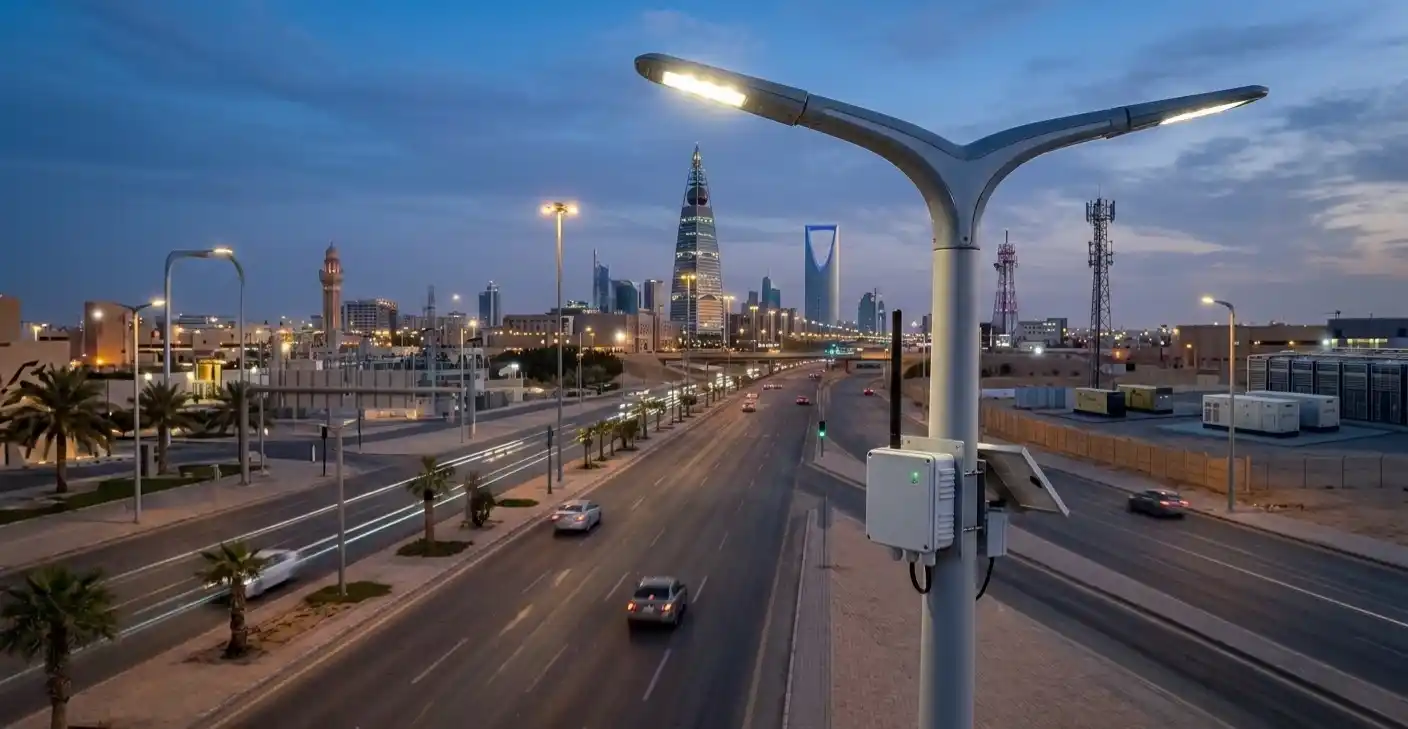
Urban infrastructure management is becoming more efficient through intelligent lighting systems and automated controls. Municipalities across Saudi Arabia are using connected street lighting technologies to remotely manage lighting performance, reduce energy consumption, and detect faults more efficiently.
Solutions such as street light monitoring help improve operational efficiency while supporting sustainable smart city development.
Industrial and Oil Operations
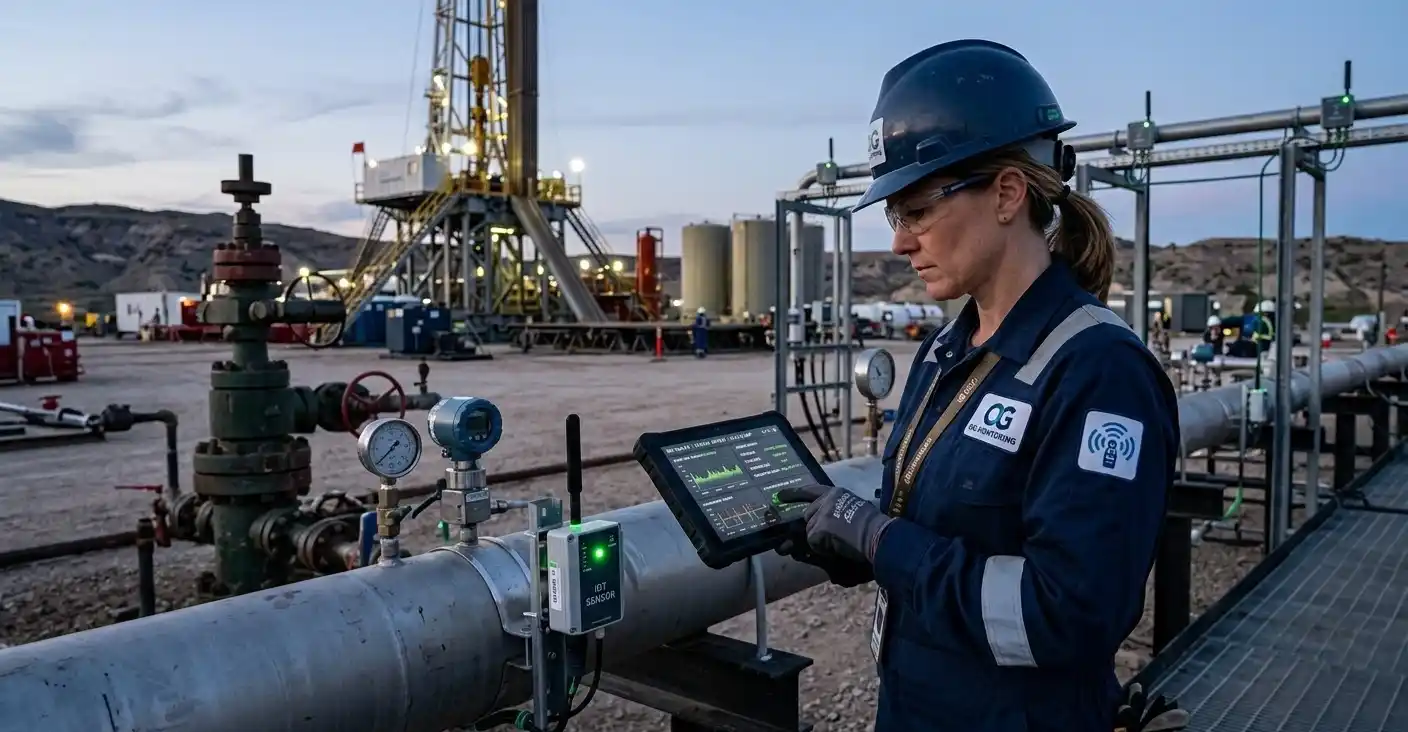
Industrial environments require continuous monitoring to maintain safety, productivity, and equipment reliability. In Riyadh's growing energy sector, businesses are adopting connected monitoring technologies to track equipment performance, reduce downtime, and improve operational visibility.
Advanced oil field monitoring systems also support predictive maintenance strategies by helping operators identify issues before they affect operations.
Power and Equipment Monitoring
Reliable power infrastructure is essential for uninterrupted operations. Utility providers across Saudi Arabia use smart transformer technologies to monitor equipment health, track load conditions, and improve maintenance planning.
Modern transformer monitoring solutions help reduce unexpected failures while improving grid reliability and operational stability.
Telecom Infrastructure
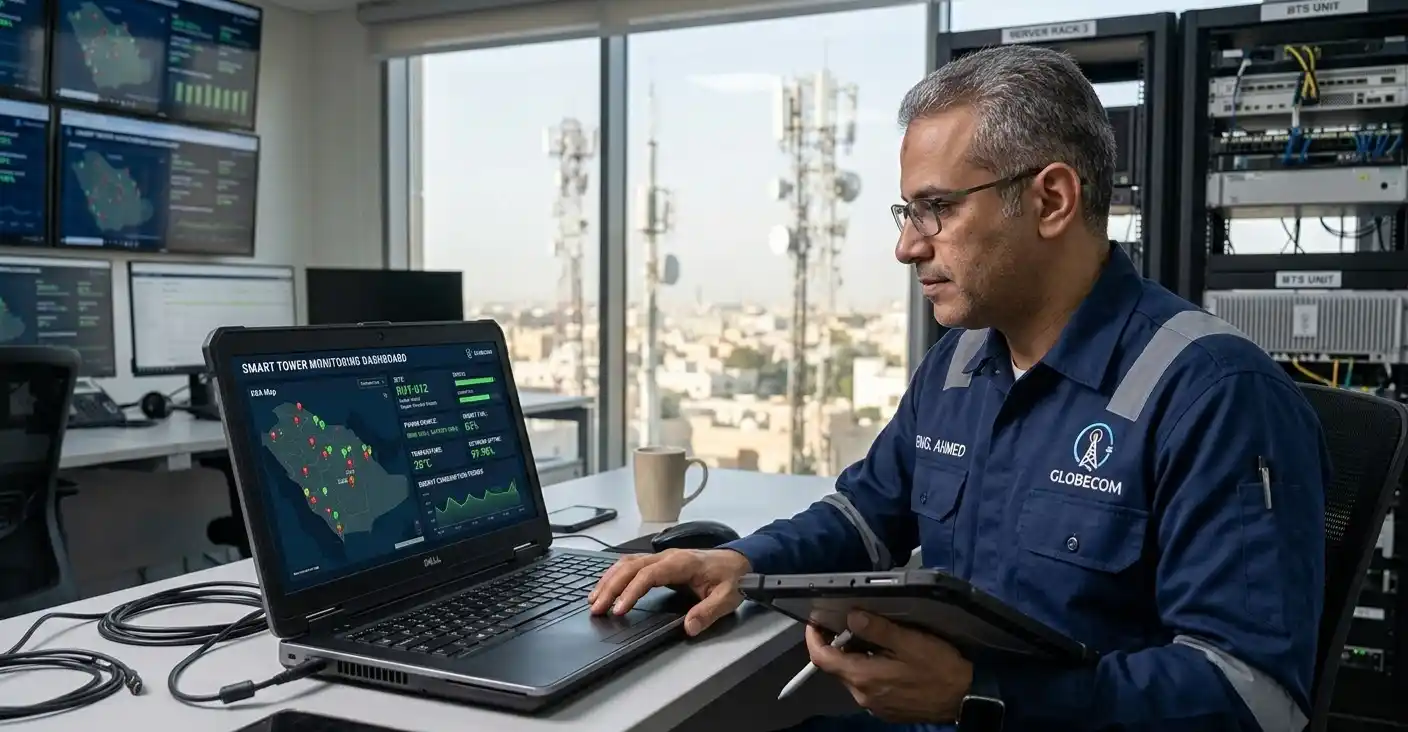
Telecom providers rely heavily on stable power systems to maintain uninterrupted connectivity across networks. IoT-enabled monitoring platforms help operators manage generator activity, battery performance, and energy consumption across multiple tower locations.
Using a telecom power monitoring System, organizations can improve operational reliability while optimizing maintenance and energy management processes.
Data Center Environments
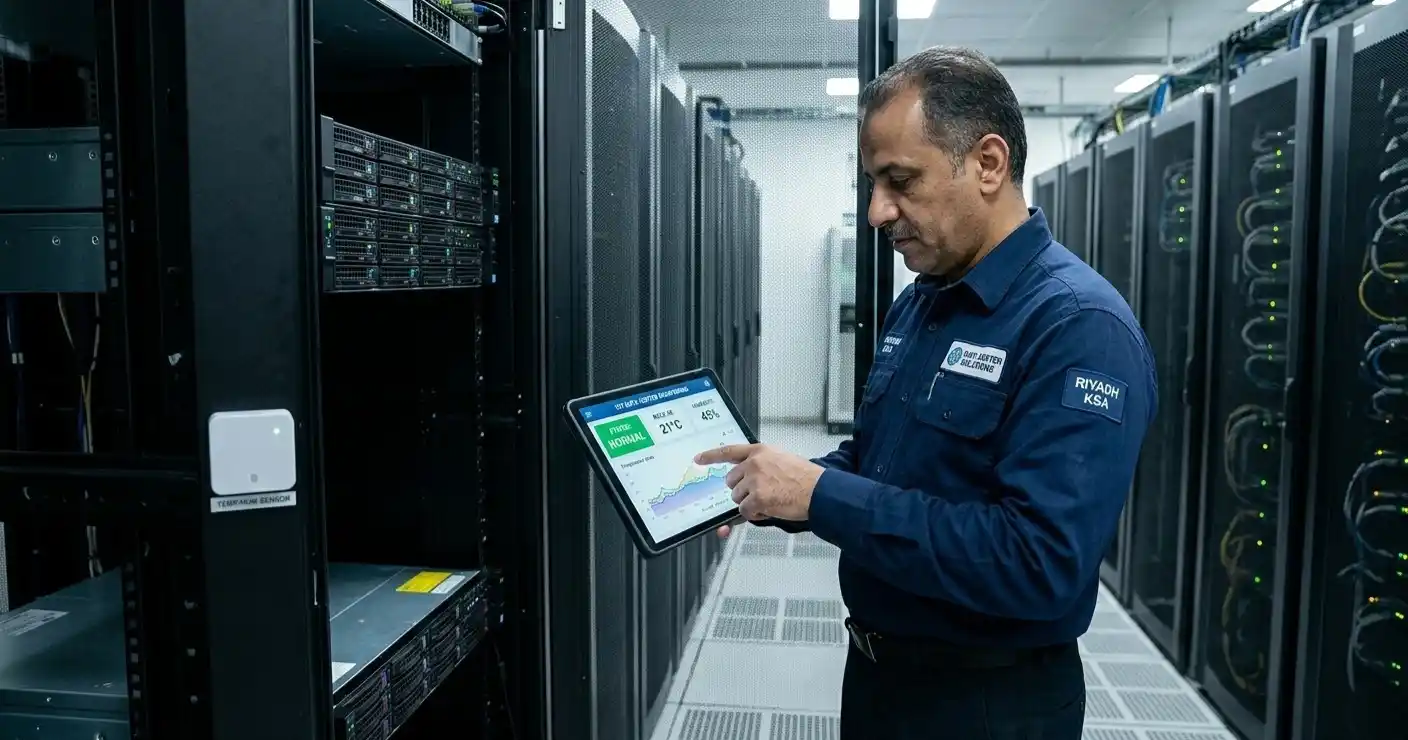
As digital infrastructure continues to expand, businesses are investing in intelligent environmental monitoring systems to protect critical facilities. Smart sensors help monitor temperature, humidity, airflow, and environmental conditions in real time.
A reliable data center environment monitoring system helps organizations reduce downtime risks and maintain stable infrastructure performance.
Renewable Energy and Solar Systems
Saudi Arabia's growing investment in renewable energy is increasing demand for intelligent solar management technologies. Businesses are using connected monitoring systems to track energy generation, improve efficiency, and identify performance issues quickly.
A smart solar monitoring system enables operators to maintain better control over solar infrastructure while supporting long-term sustainability goals.
Benefits of IoT for Businesses
Organizations implementing connected technologies can achieve several operational advantages across industries.
Increased Efficiency: Automation helps reduce manual processes and improves productivity across daily operations.
Real-Time Visibility: Businesses can monitor infrastructure, assets, and operational performance through centralized systems supported by real-time IoT monitoring capabilities.
Predictive Maintenance: Connected monitoring systems help identify issues early before they result in equipment failures or costly downtime.
Cost Optimization: Smarter energy management and automated operations help reduce operational expenses and resource waste.
Smarter Decisions: Real-time insights allow organizations to make faster and more informed operational decisions.
Challenges Businesses Should Consider
While IoT offers significant advantages, organizations should plan implementation carefully to ensure long-term success.
Common challenges include:
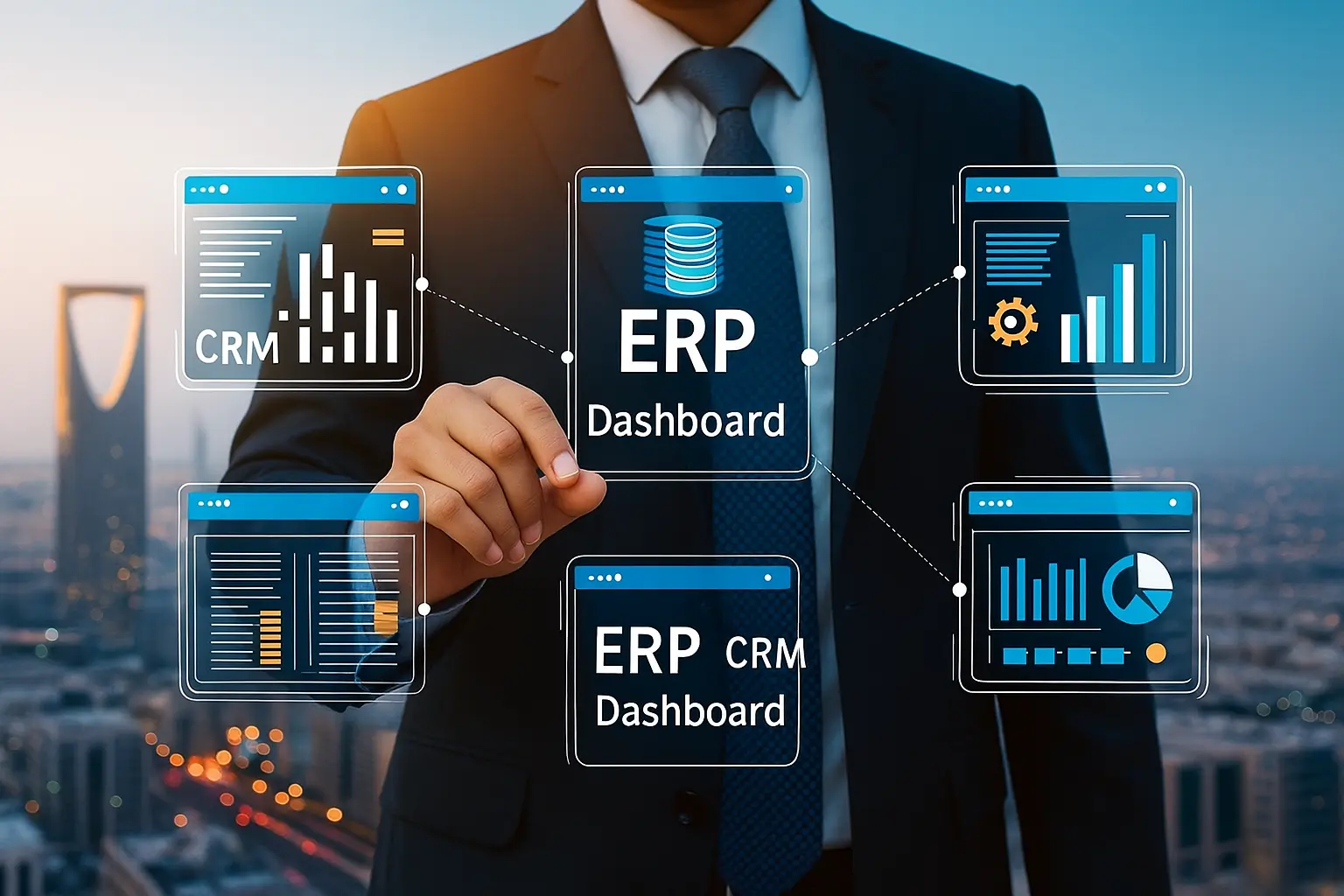
Integration with existing infrastructure:
Data security and privacy concerns:
Initial investment costs:
Requirement for technical expertise:
The Future of IoT in Riyadh
IoT adoption is expected to grow rapidly as AI, cloud computing, and advanced connectivity continue to evolve. Businesses will increasingly benefit from intelligent automation, faster data processing, and improved operational scalability.
The expansion of smart city IoT Saudi Arabia initiatives will further accelerate digital transformation across infrastructure, telecom, utilities, and industrial sectors.
Conclusion
IoT is transforming how businesses operate in Riyadh by enabling automation, intelligent monitoring, and data-driven decision-making. From infrastructure and industrial operations to telecom and renewable energy management, connected technologies are helping organizations become more efficient, reliable, and future-ready.
As digital transformation continues to expand across Saudi Arabia, IoT will remain a key driver of innovation, operational efficiency, and sustainable business growth.