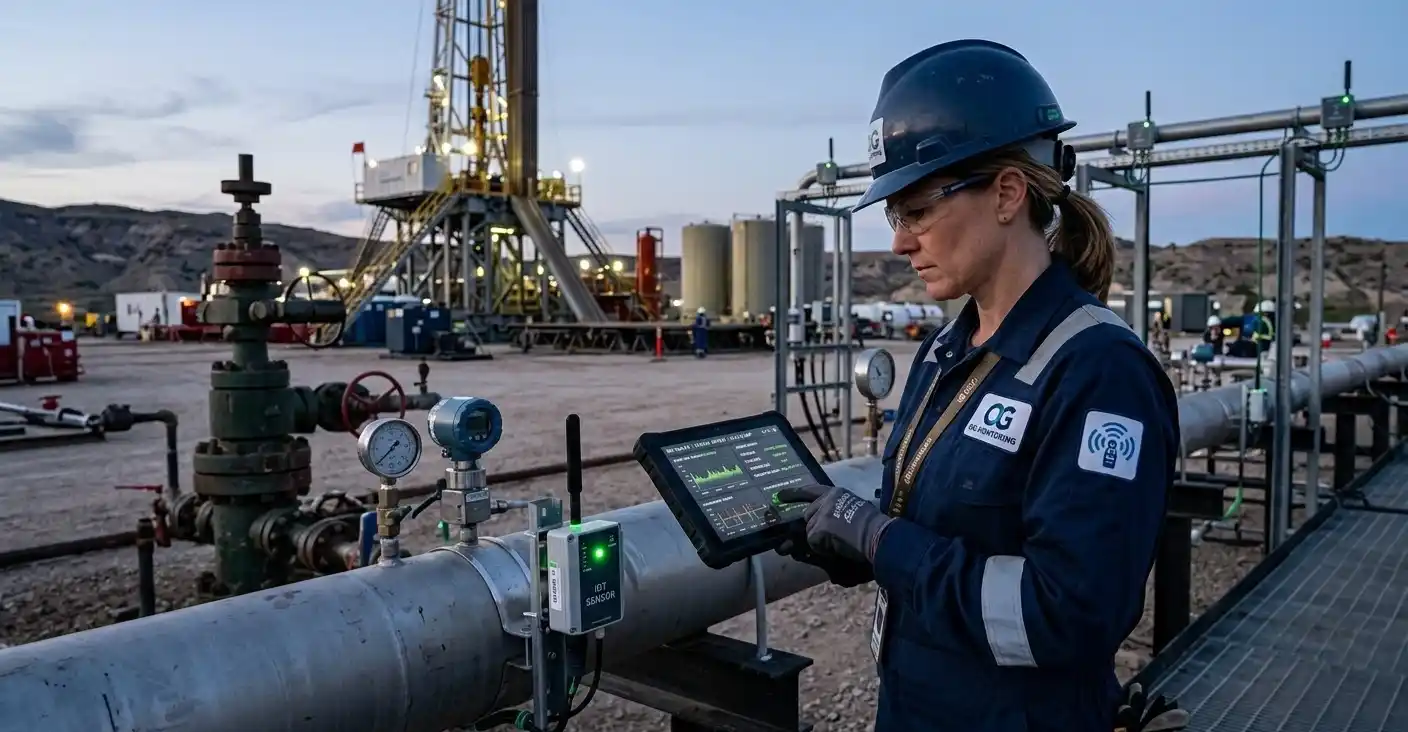
IoT for Oil & Gas: Real-Time Monitoring Benefits
Introduction
The oil and gas sector functions in highly challenging and risk-intensive operational environments. From remote drilling locations to large-scale pipeline networks, companies must continuously monitor equipment performance, worker safety, environmental conditions, and operational efficiency.
Modern IoT solutions are transforming the sector by enabling real-time visibility across field operations. Through connected sensors, intelligent analytics, and cloud-based monitoring platforms, businesses can reduce downtime, improve productivity, and make faster operational decisions.
As digital transformation accelerates across the energy sector, industries are increasingly adopting advanced monitoring technologies to improve reliability, reduce operational risks, and maintain continuous performance across critical assets.
Why Real-Time Monitoring Matters in Oil & Gas
Oil and gas operations involve complex infrastructure spread across vast geographic locations. Manual inspections and traditional monitoring methods often create delays in identifying issues such as pressure fluctuations, equipment failures, or environmental risks.
With real-time IoT monitoring, operators gain continuous access to live operational data from pipelines, pumps, storage tanks, drilling systems, and remote facilities. This improves response times and helps engineering teams make informed decisions before minor issues become major operational disruptions.
Real-time monitoring also strengthens safety compliance by enabling automated alerts, performance tracking, and remote diagnostics in hazardous environments.
Key Benefits of IoT in Oil & Gas Operations
Improved Equipment Performance: Connected monitoring systems provide continuous insights into equipment health, helping businesses identify irregular behavior early. Parameters such as vibration, pressure, flow rate, and temperature can be tracked automatically to prevent unexpected failures. Advanced industrial IoT solutions support predictive maintenance strategies that minimize downtime and extend the operational lifespan of critical assets.
Remote Asset Visibility: Oil fields are often located in remote regions where physical inspections can be costly and time-consuming. Smart monitoring technologies enable centralized visibility across multiple operational sites through cloud-connected dashboards. Using remote monitoring IoT, operators can monitor field assets, pipeline conditions, and production systems from a single control center without requiring constant on-site supervision. This approach improves operational efficiency while reducing maintenance costs and travel requirements.
Enhanced Pipeline Monitoring: Pipeline integrity is one of the most critical aspects of oil and gas infrastructure. Real-time sensor systems help detect leaks, pressure anomalies, and abnormal flow conditions before they escalate into safety incidents. Modern pipeline pressure monitoring systems provide continuous data analysis that improves infrastructure reliability and supports faster emergency response planning. These intelligent systems also help organizations comply with environmental and operational regulations more effectively.
Smarter Oil Field Operations: Digital monitoring solutions are helping organizations implement smarter and more automated oil field management operations. Sensor-driven systems collect field data continuously and deliver actionable insights for operational optimization. Businesses adopting IoT oil field monitoring technologies can improve production efficiency, reduce manual intervention, and gain better visibility into field performance metrics. Integrated monitoring platforms also support data-driven decision-making for maintenance scheduling and energy optimization.
Predictive Maintenance and Operational Efficiency: Unexpected equipment failures can lead to significant financial losses in oil and gas operations. Predictive maintenance allows organizations to identify early warning signs before critical breakdowns occur. Using intelligent analytics and connected monitoring systems, companies can optimize maintenance schedules based on actual equipment conditions rather than fixed intervals. Modern industrial IoT solutions and services help organizations reduce unplanned downtime, improve maintenance efficiency, and lower operational expenses while maintaining higher system reliability.
Role of IoT Platforms in Industrial Monitoring
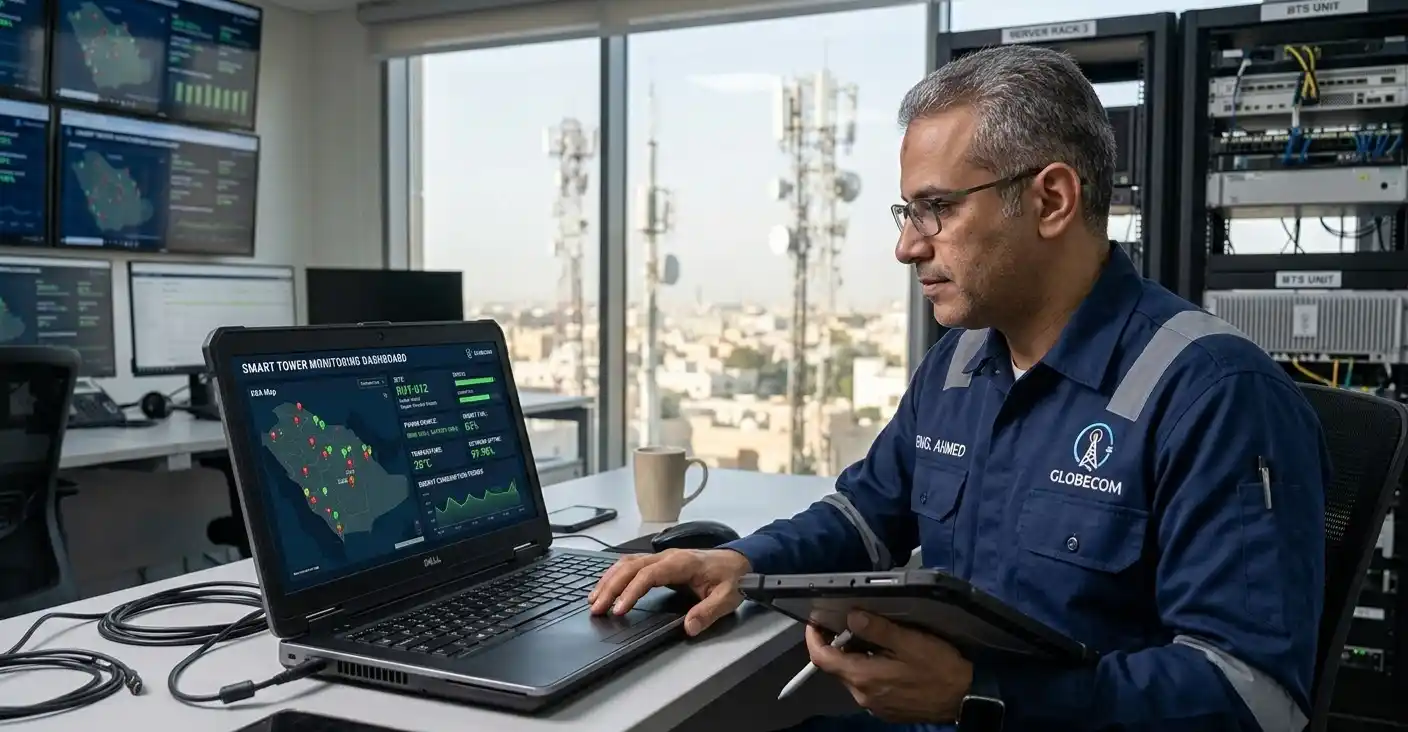
Efficient monitoring requires a scalable and centralized infrastructure capable of handling large volumes of operational data. A reliable IoT platform enables seamless device connectivity, sensor integration, data visualization, and remote system management.
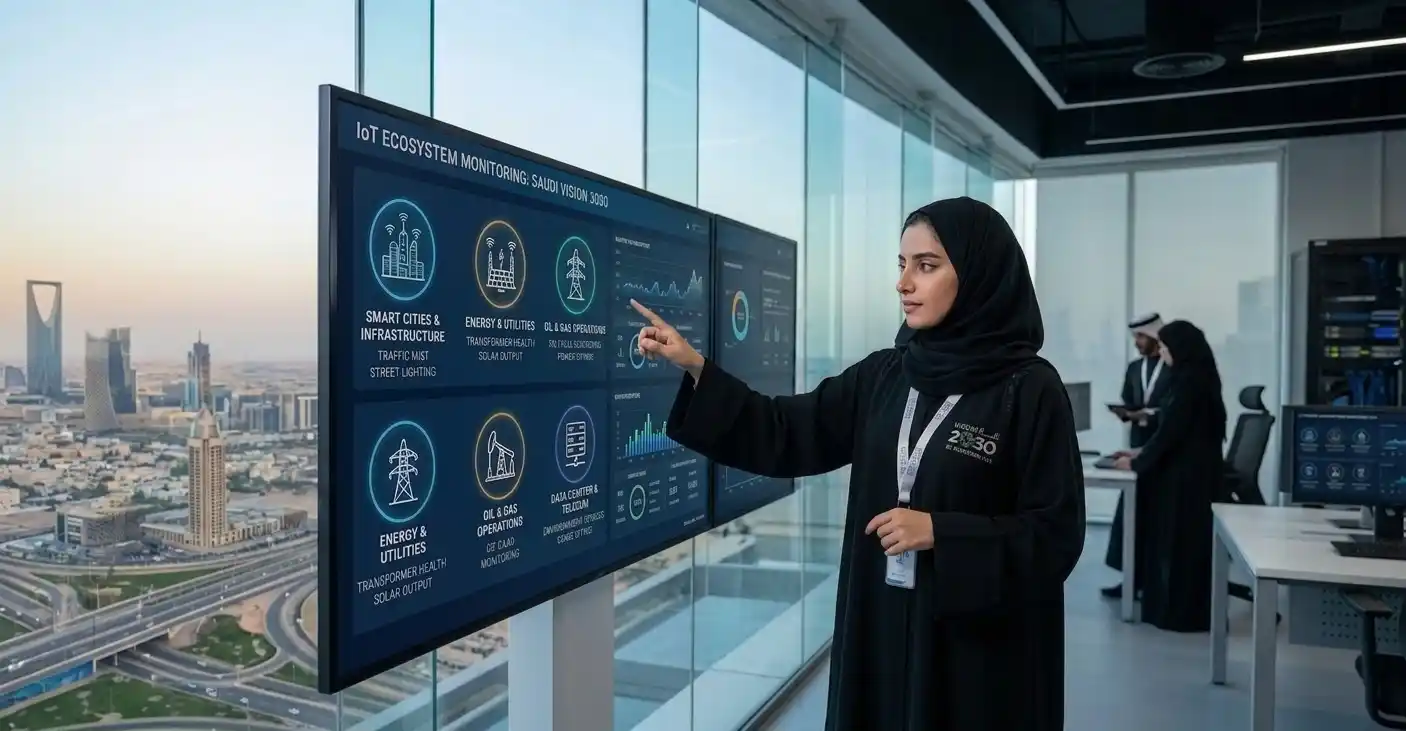
These platforms help businesses monitor distributed assets, automate alerts, and generate actionable insights through centralized dashboards and analytics tools.
Advanced monitoring architectures also support integration with SCADA systems, AI analytics, and cloud environments for more intelligent industrial operations.
Oil & Gas Digital Transformation in Saudi Arabia
The adoption of connected industrial technologies is rapidly growing across the Kingdom as organizations modernize energy infrastructure and industrial operations.
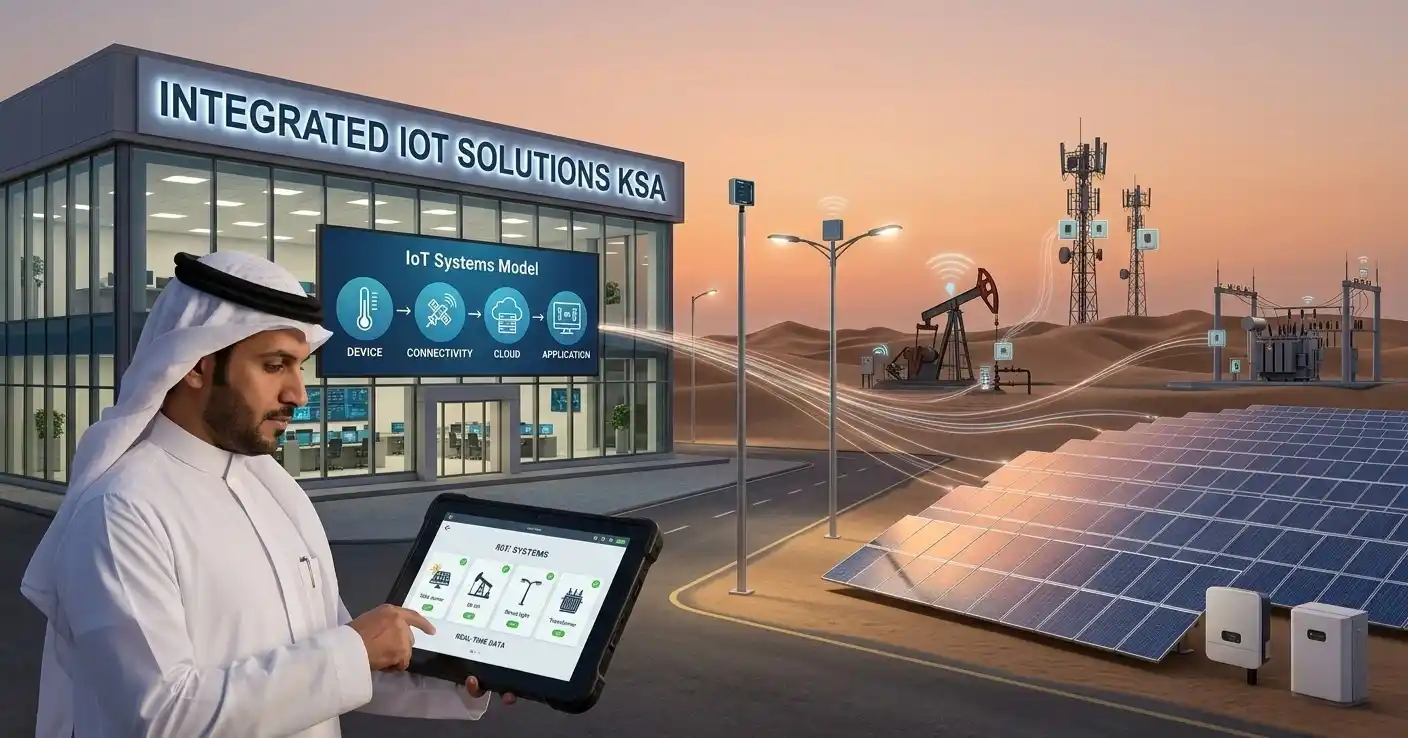
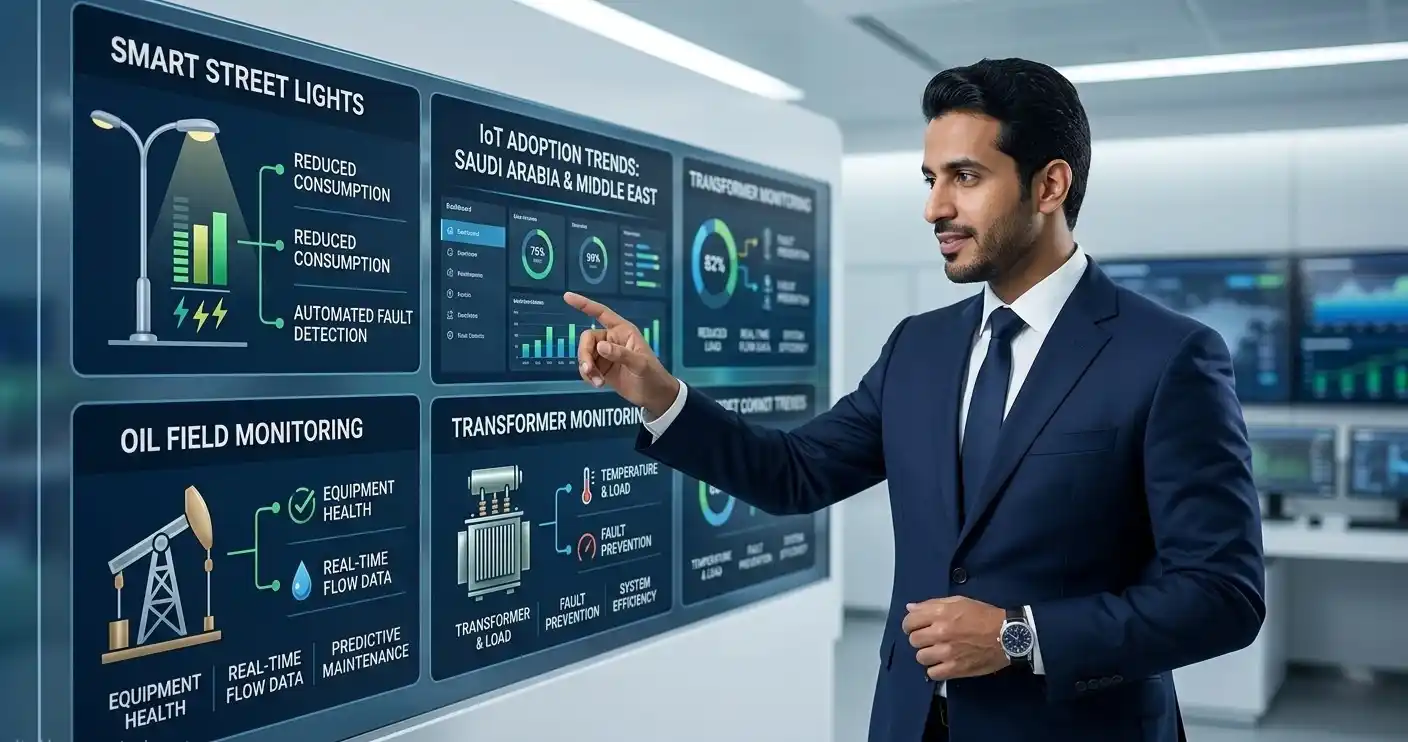
Many organizations are adopting IoT solutions Saudi Arabia to enhance operational visibility, improve energy efficiency, and support industrial automation across production facilities and oil fields.
Large-scale industrial modernization initiatives are driving demand for intelligent monitoring systems that support efficiency, sustainability, and predictive maintenance strategies.
Organizations seeking scalable monitoring capabilities are increasingly implementing Oil field monitoring system Saudi Arabia solutions to enhance operational control and improve asset performance in remote environments.
Integration with Broader Industrial Monitoring Systems
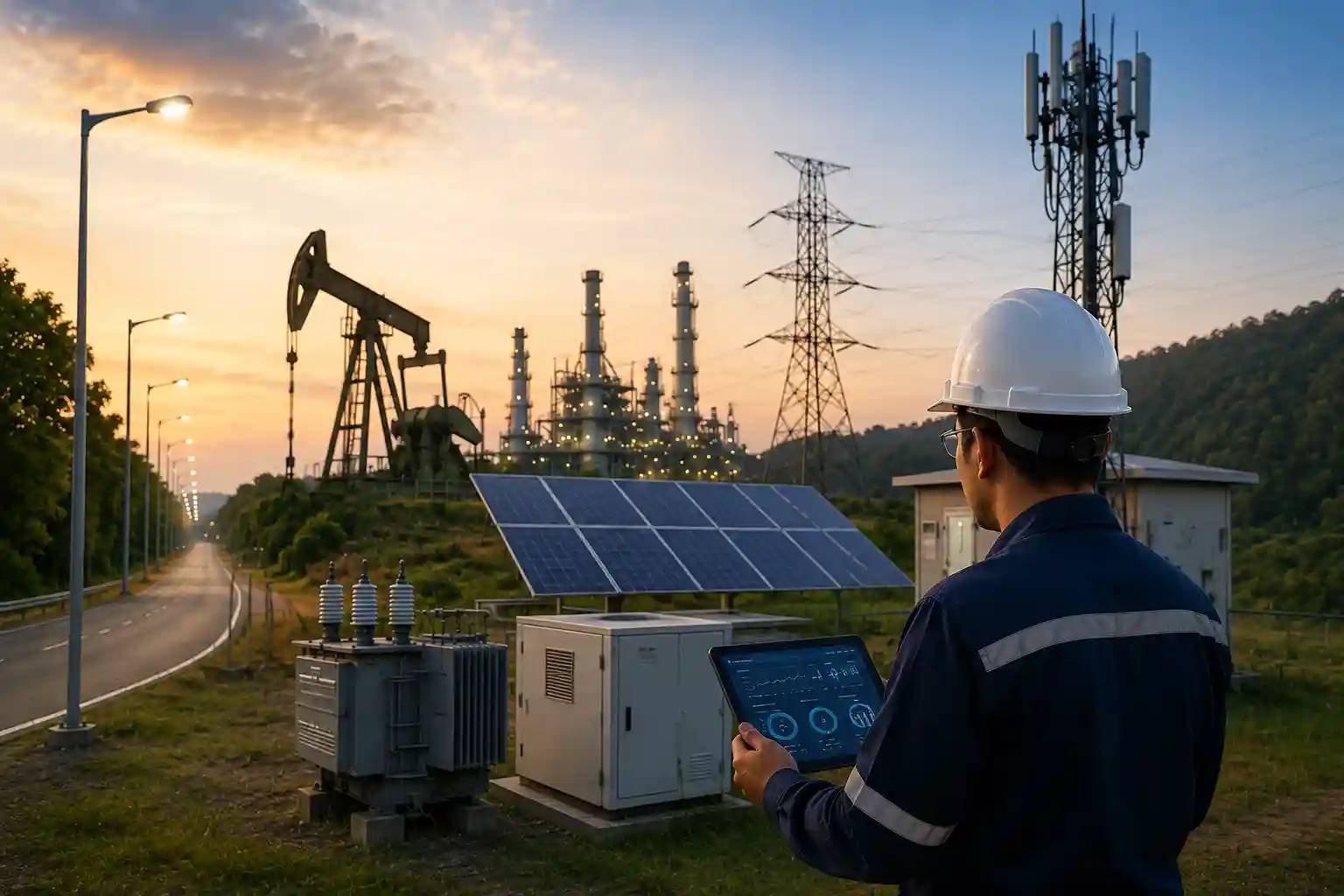
Oil and gas monitoring technologies are often integrated with wider industrial infrastructure to create unified operational ecosystems.
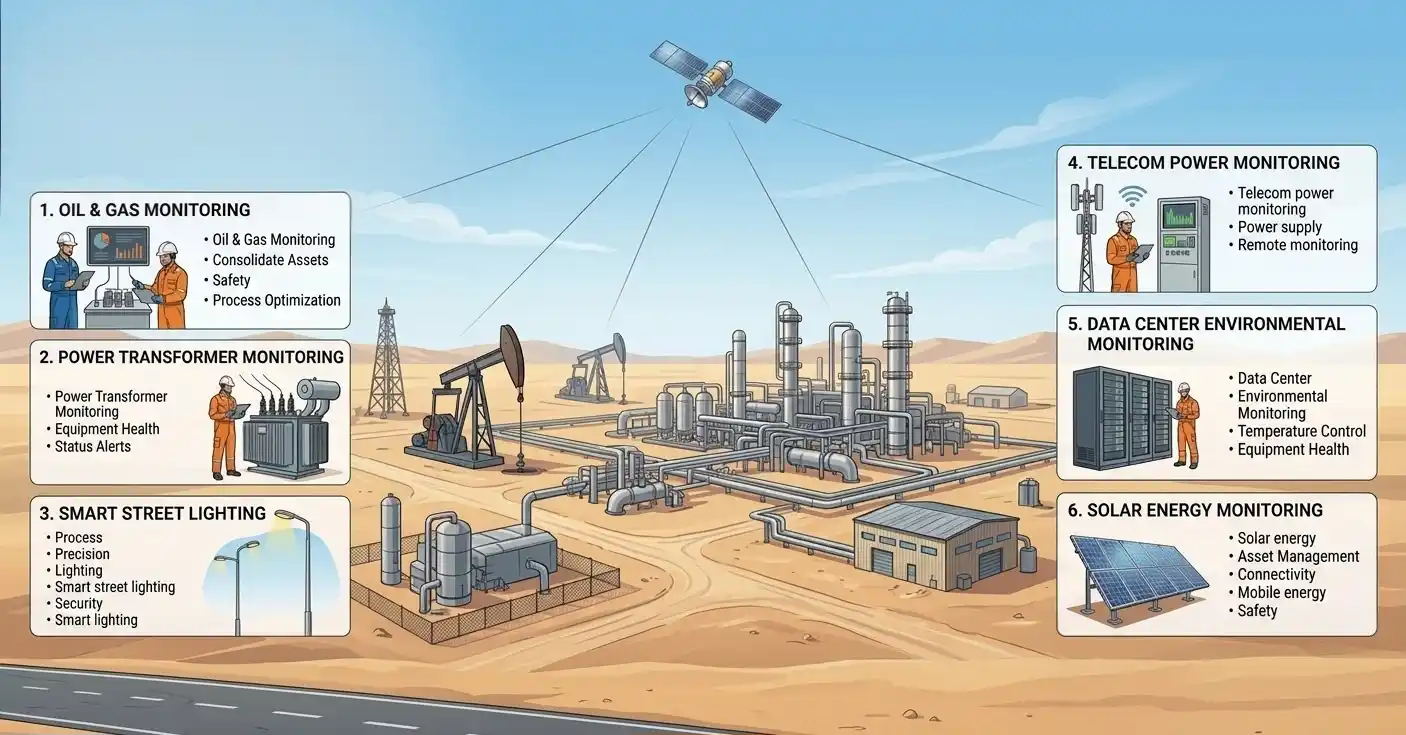
Solutions such as Ethical Intelligent IoT Solutions help industries centralize monitoring across energy, utilities, telecom, and infrastructure sectors.
Connected monitoring environments may also integrate with systems including:
Oil Field Monitoring Systems:
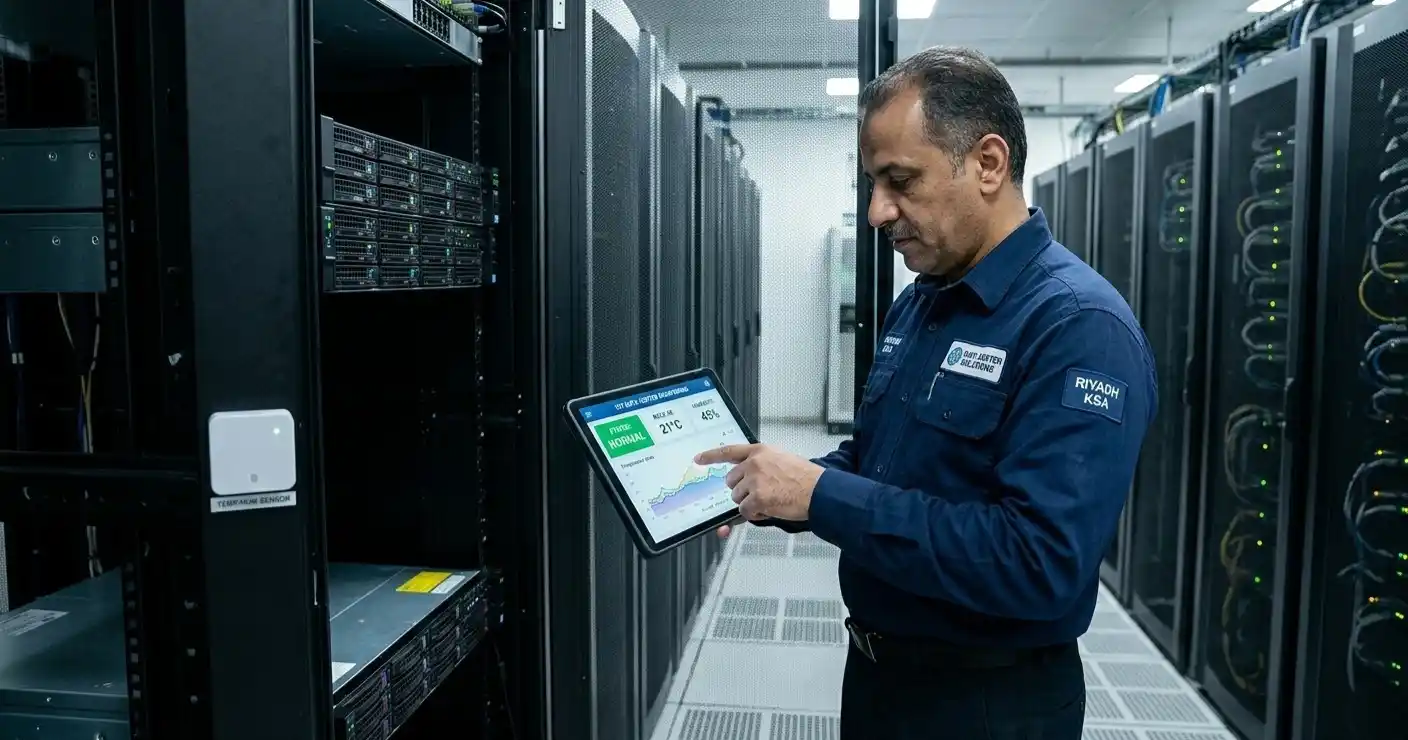
Data Center Environment Monitoring:
Transformer Monitoring Solutions:
Telecom Power Monitoring Systems:
Smart Solar Monitoring Systems:
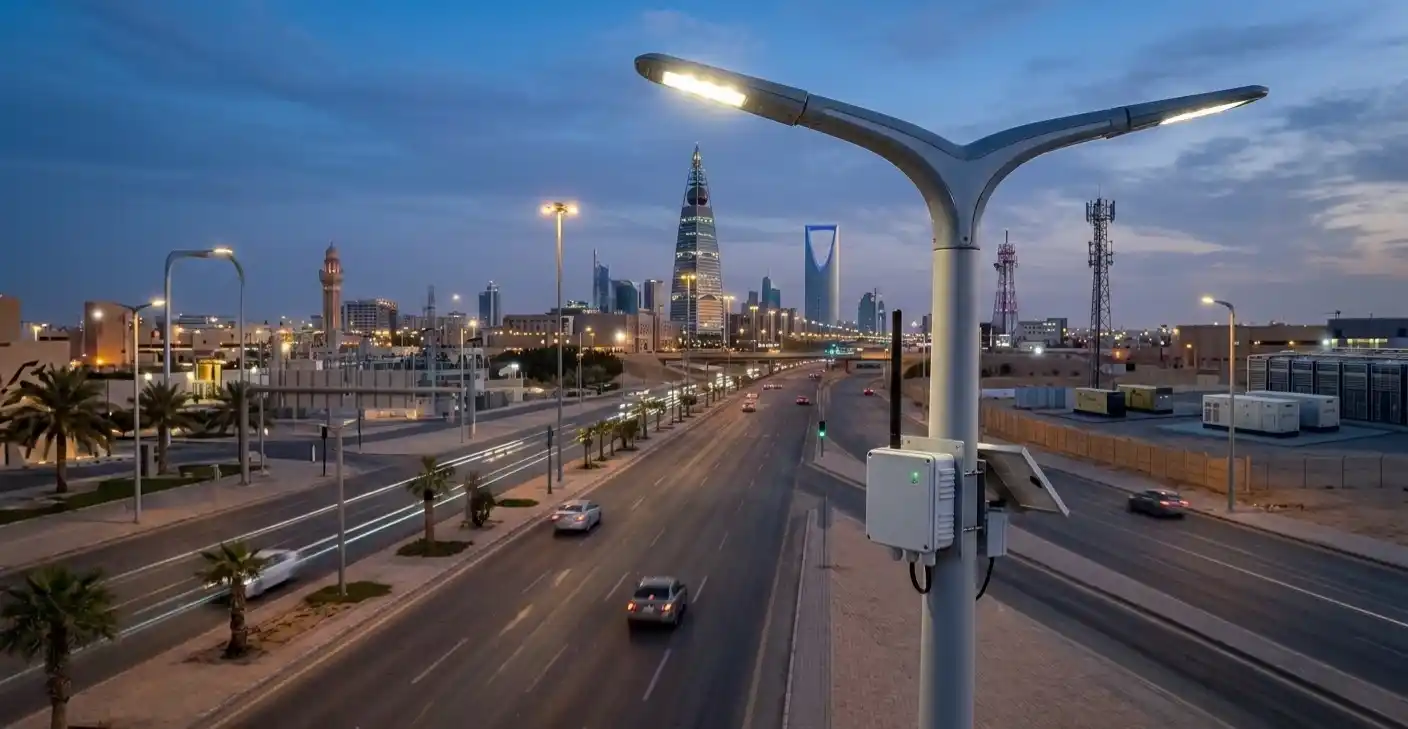
Street Light Monitoring Platforms:
Future of IoT in Oil & Gas
The future of industrial operations is becoming increasingly data-driven. Artificial intelligence, cloud analytics, edge computing, and automation technologies are enhancing the capabilities of connected monitoring systems across the energy sector.
As industries continue adopting digital transformation strategies, smart oil field management will play a major role in improving operational safety, production efficiency, and long-term infrastructure reliability.
Organizations that invest in intelligent monitoring systems today will be better positioned to optimize operations and adapt to future industrial demands.
Conclusion
IoT is reshaping the oil and gas industry by enabling real-time visibility, predictive maintenance, remote monitoring, and smarter operational control. Connected monitoring systems help businesses improve efficiency, reduce downtime, strengthen safety measures, and enhance overall asset performance.
As industrial environments continue evolving, adopting intelligent monitoring technologies will become essential for organizations seeking scalable, reliable, and future-ready operations in the energy sector.