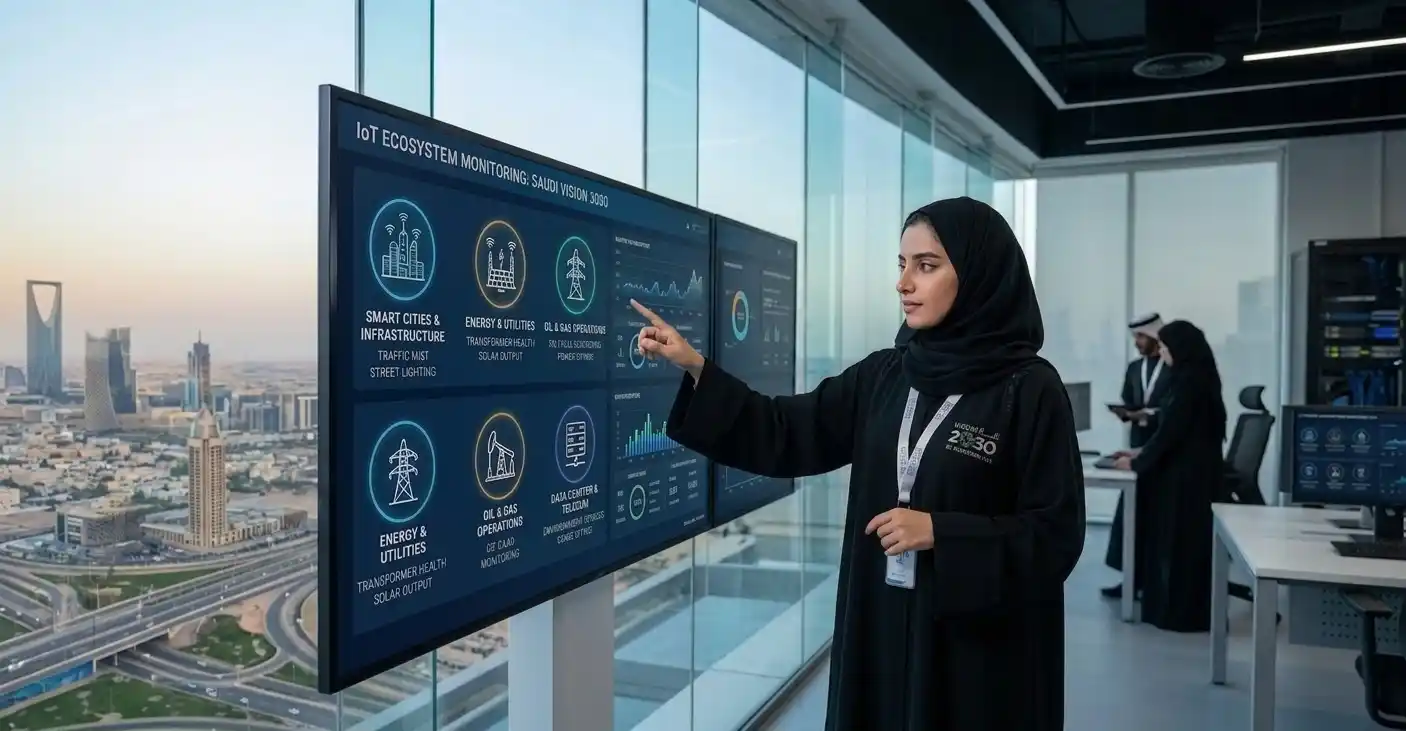
Role of IoT in Saudi Vision 2030
Introduction
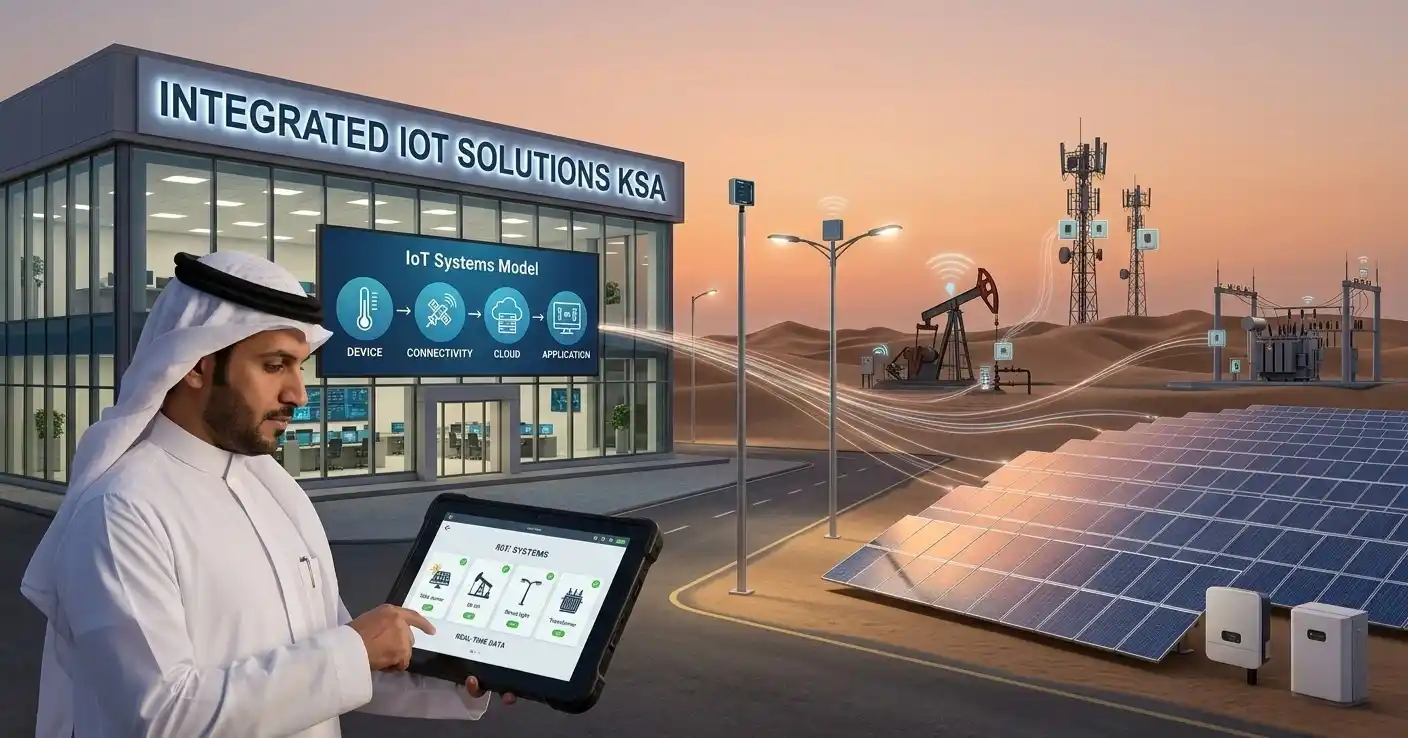
Saudi Arabia's Vision 2030 is driving major digital transformation across industries, infrastructure, and public services. One of the key technologies supporting this transformation is the Internet of Things, which helps organizations improve efficiency, automation, and decision-making through connected systems and real-time data.
Today, many industries are adopting IoT solutions to modernize operations, reduce manual processes, and improve overall performance in a rapidly evolving digital economy.
Smarter Cities and Urban Development
Smart city development is one of the most important goals of Vision 2030. Connected technologies are helping cities improve transportation, public safety, energy management, and municipal services.
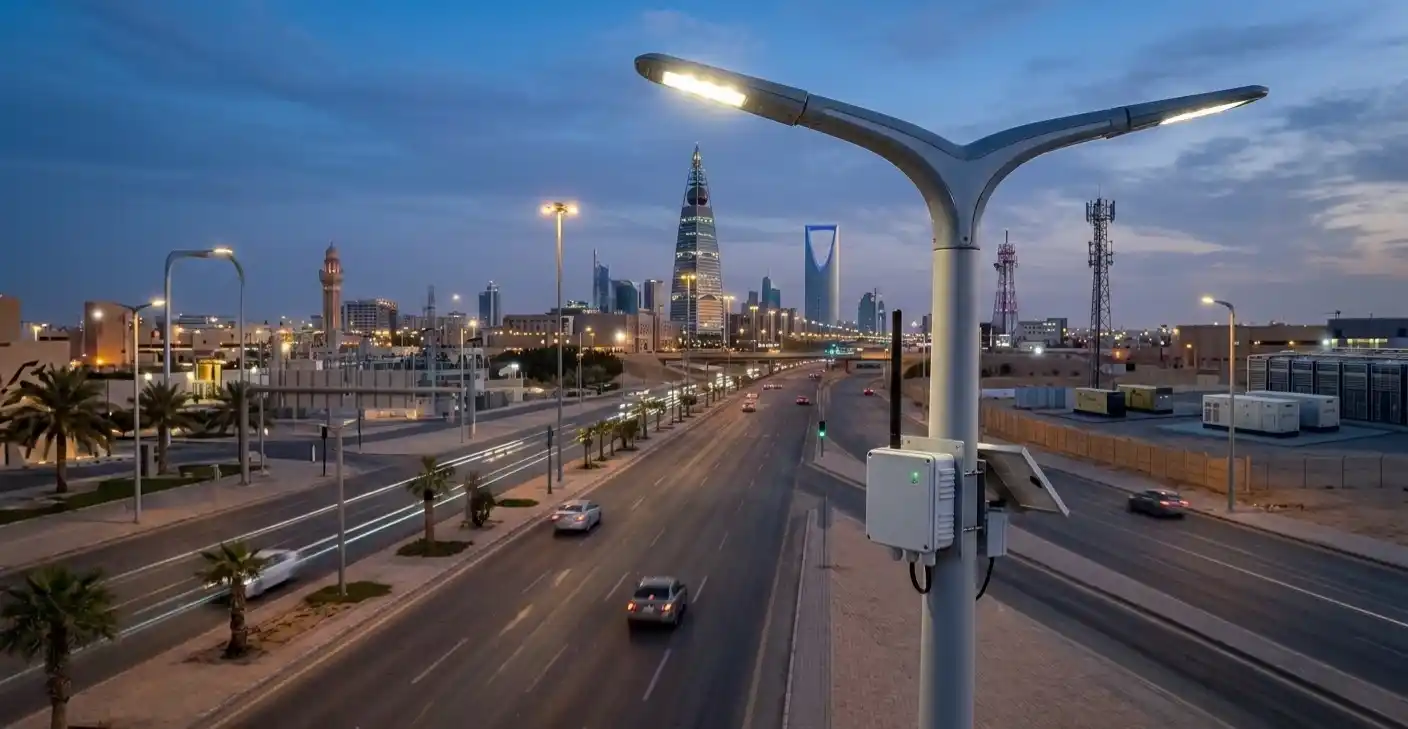
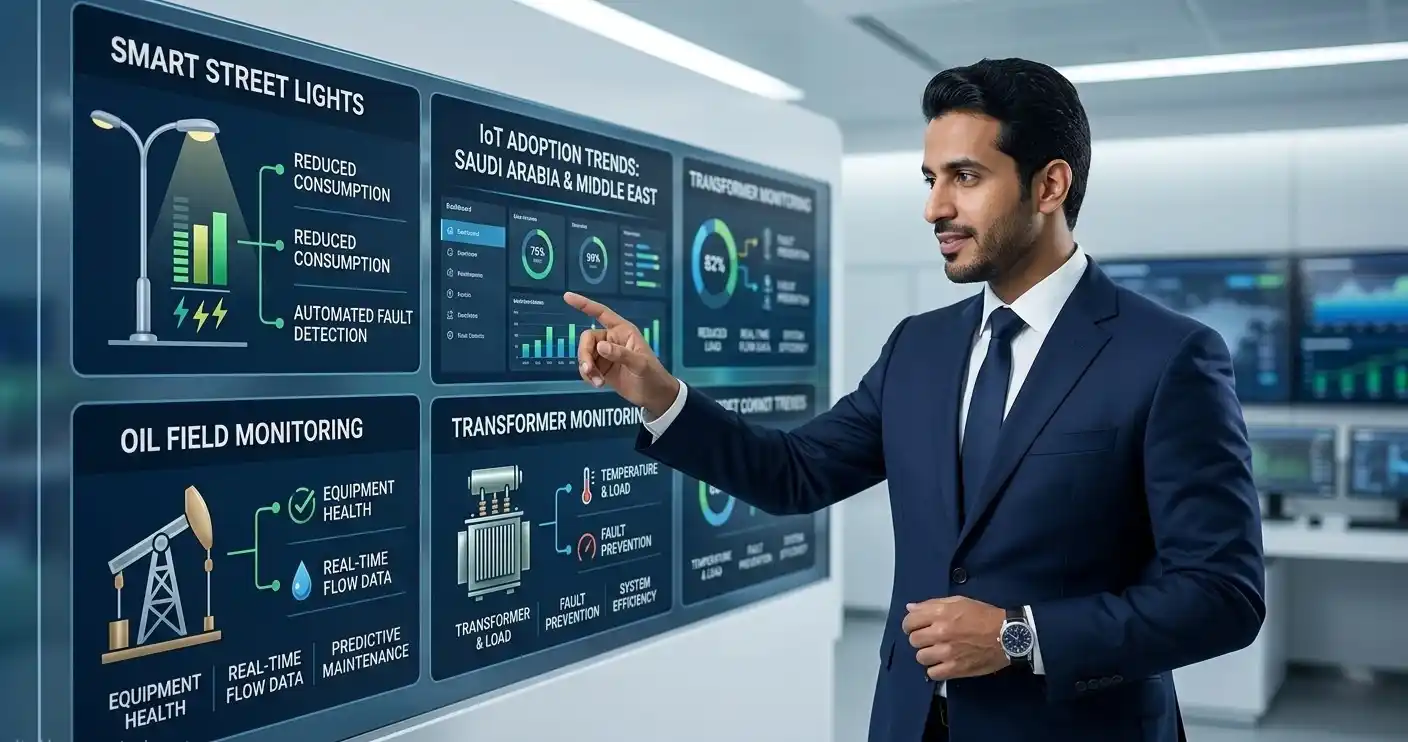
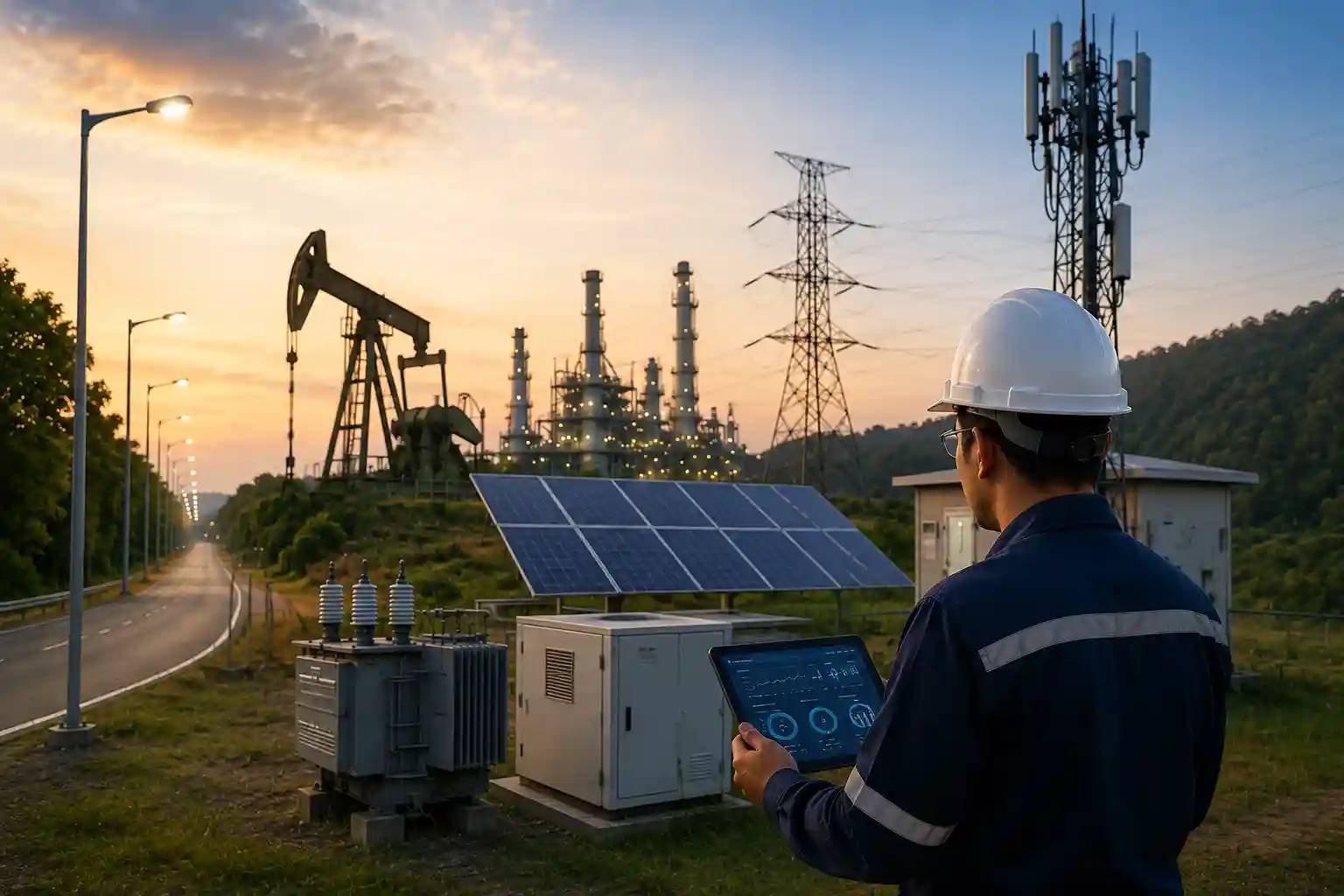
Advanced lighting systems now allow cities to automate schedules, monitor energy usage, and identify faults quickly through a smart street light monitoring system. These technologies improve sustainability while reducing operational costs for municipalities.Large-scale smart city projects such as NEOM are already integrating intelligent infrastructure to support connected urban environments.
Modernizing Energy Infrastructure
Saudi Arabia is also improving its energy and utility sectors with intelligent monitoring technologies. Real-time tracking of electrical assets helps utility providers improve maintenance planning and prevent unexpected outages.
Modern transformer systems can continuously monitor temperature, load conditions, and equipment health using transformer monitoring technologies. This helps improve operational reliability and supports efficient power distribution across utility networks.
Industries are increasingly investing in Industrial IoT solutions KSA to improve operational visibility and energy efficiency.
Digital Transformation in Oil and Gas
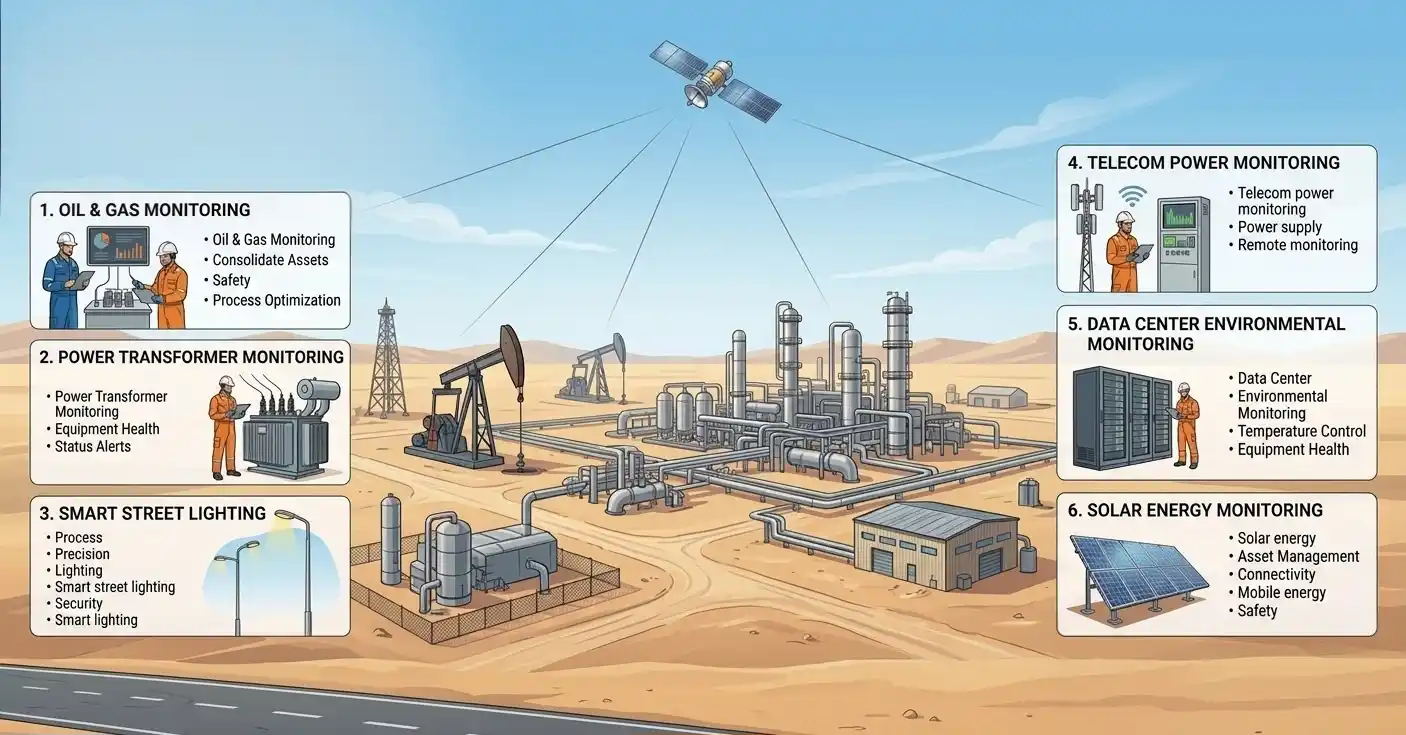
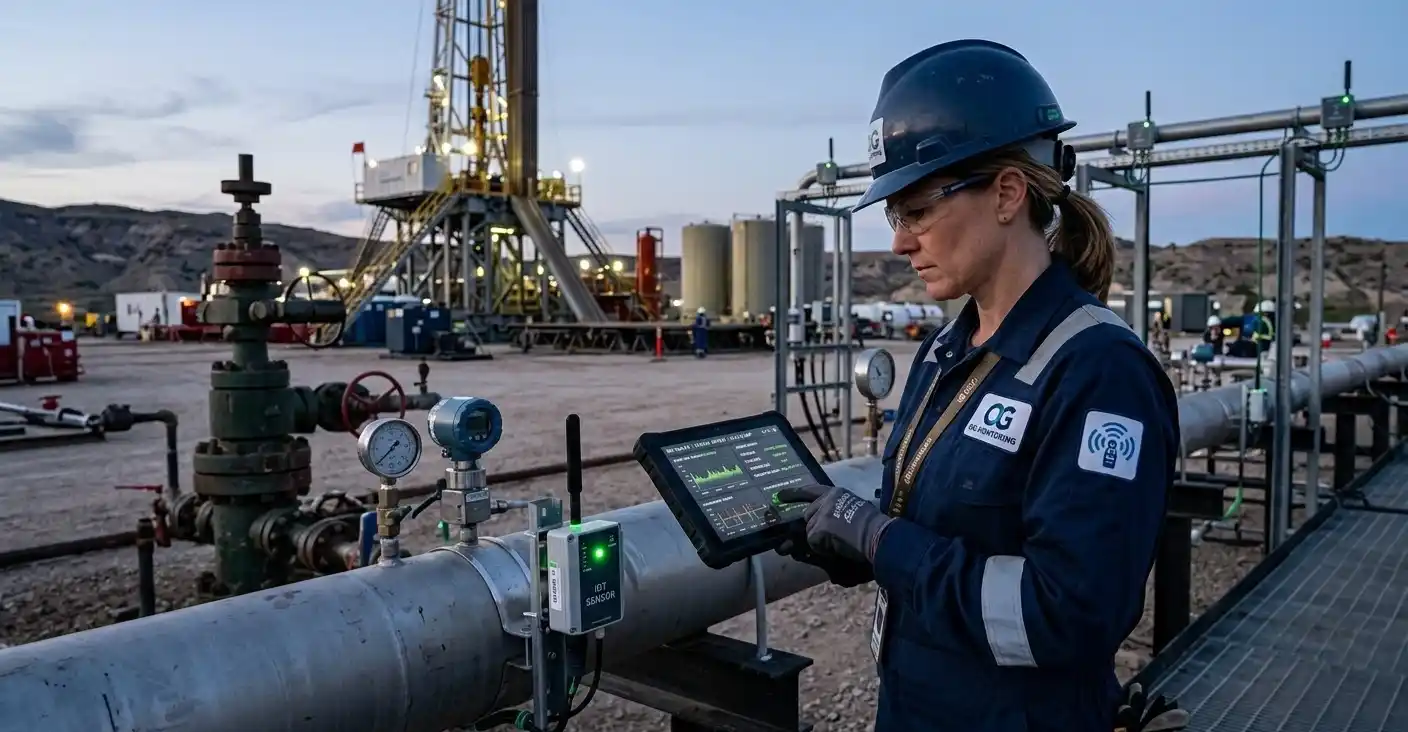
The oil and gas sector continues to play a major role in the Saudi economy. IoT technologies are helping companies improve field operations, worker safety, and equipment performance through intelligent monitoring systems.
Using oil field monitoring platforms, operators can remotely track field assets, monitor equipment conditions, and improve maintenance efficiency across industrial sites. These technologies also help reduce downtime and improve decision-making through real-time operational insights.
Improving Telecom Infrastructure
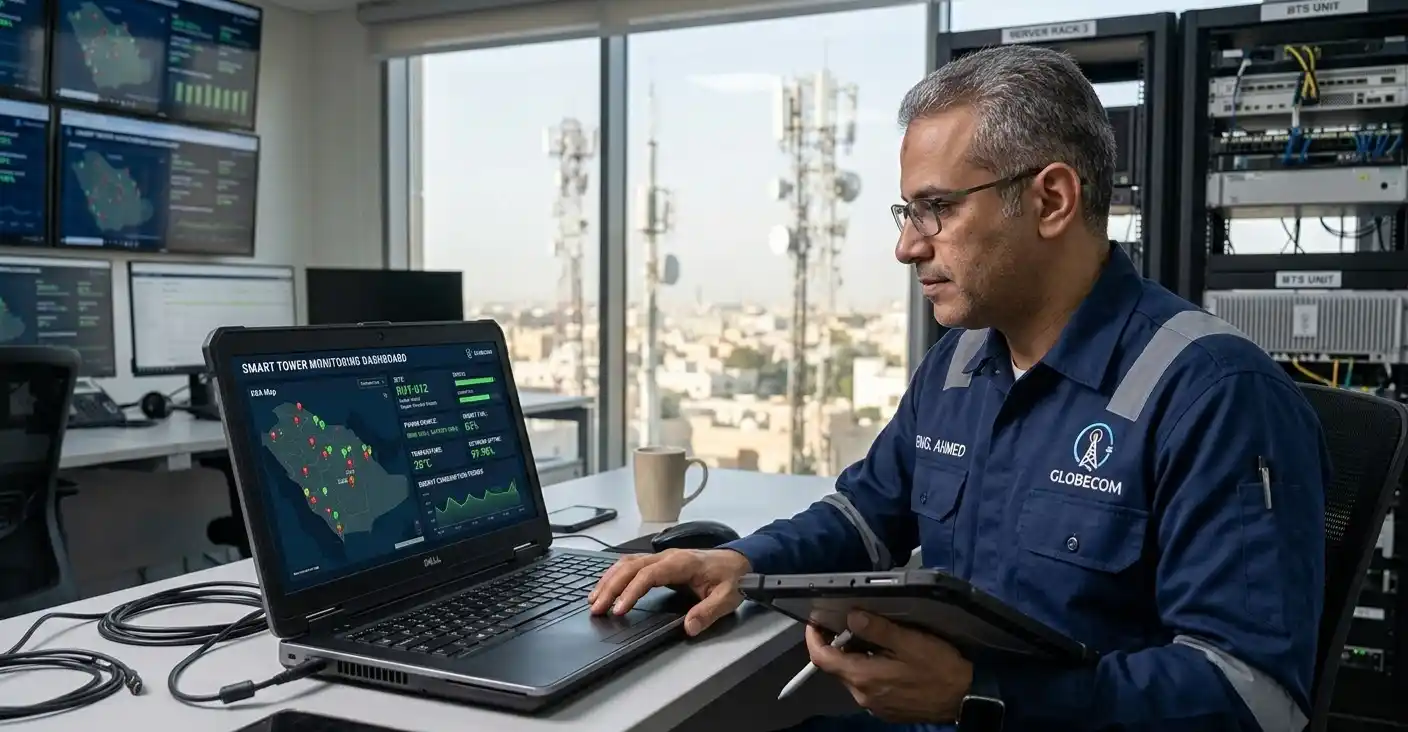
Reliable telecom infrastructure is essential for a connected digital economy. IoT technologies help telecom providers monitor power systems, generators, and energy usage across multiple remote tower locations.
Advanced Telecom Power Monitoring System technologies help operators improve uptime, reduce failures, and manage energy consumption more efficiently across telecom networks.
Smarter Data Center Operations
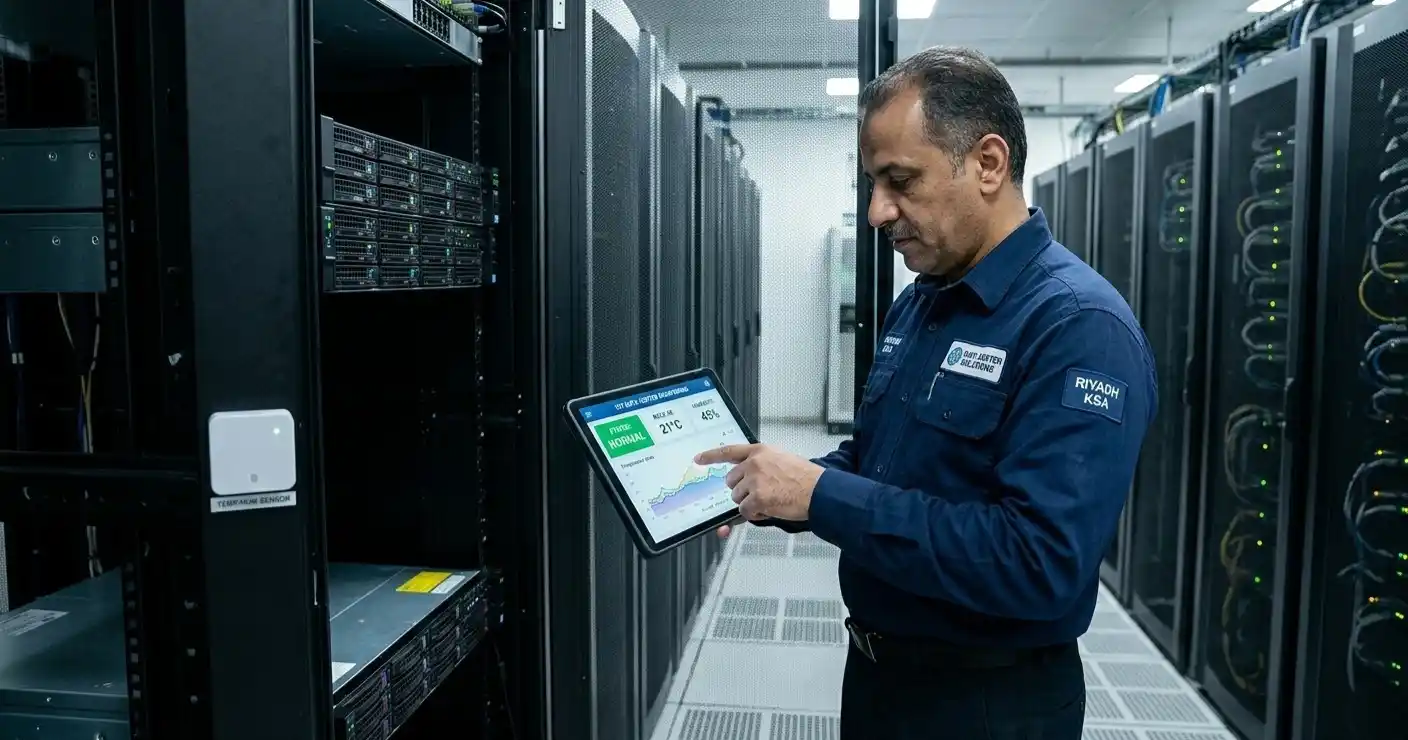
As cloud services and enterprise applications continue to grow, data centers require stable environmental conditions for reliable performance.
Organizations are now adopting data center environment monitoring systems to track temperature, humidity, airflow, and energy conditions in real time. These systems help improve infrastructure reliability, reduce cooling inefficiencies, and support better energy management.
Many enterprises are also investing in datacenter IoT solutions to maintain secure and efficient digital operations.
Supporting Renewable Energy Growth
Saudi Arabia is making significant investments in renewable energy, especially solar power generation. IoT technologies help operators monitor solar assets, track performance, and identify issues quickly.
Modern solar facilities use smart solar monitoring system technologies to improve energy output, monitor inverter performance, and support predictive maintenance across solar installations.
These intelligent monitoring systems support the country's long-term sustainability and clean energy goals.
Conclusion
IoT is becoming a key driver of innovation and digital transformation across Saudi Arabia. From smart cities and energy infrastructure to telecom, oil and gas, and renewable energy, connected technologies are helping organizations operate more efficiently and make smarter decisions through real-time insights.
As Vision 2030 continues to reshape the country's future, businesses investing in scalable IoT technologies will be better positioned for long-term growth, operational efficiency, and digital competitiveness.