IoT in Telecom: Smart Tower Monitoring Explained
Introduction
Telecom infrastructure has become the backbone of modern digital communication. As network demand continues to grow, telecom operators are under constant pressure to maintain uptime, reduce operational costs, and manage distributed tower sites more efficiently.
Traditional monitoring methods often rely on manual inspections and delayed reporting, making it difficult to detect faults in real time. To overcome these challenges, telecom providers are increasingly adopting intelligent monitoring technologies powered by IoT.
By implementing IoT-based telecom power management, operators can gain real-time visibility into tower operations, optimize energy usage, and improve infrastructure reliability across multiple locations.
Understanding Smart Tower Monitoring
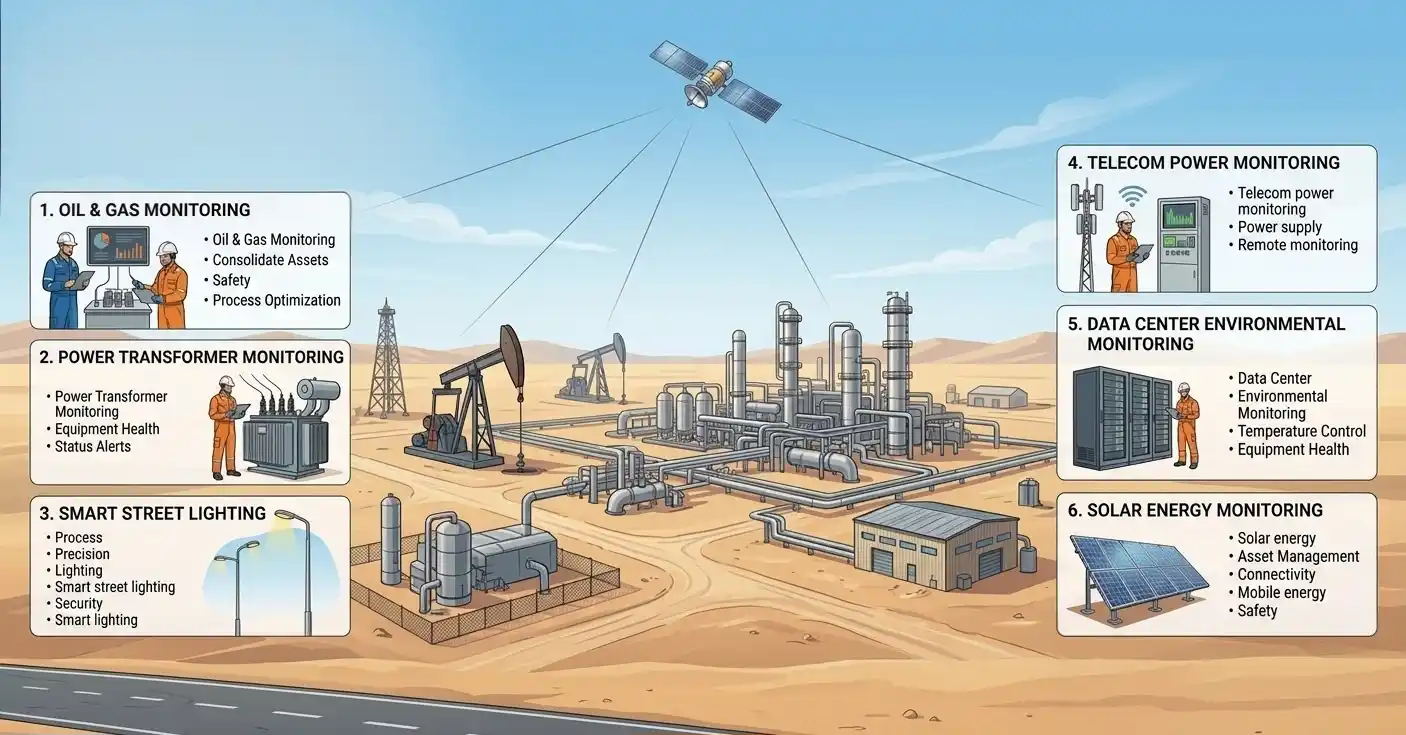
Smart tower monitoring refers to the use of connected sensors, cloud platforms, and intelligent analytics to supervise telecom tower infrastructure remotely. These systems collect operational data from power equipment, batteries, generators, and environmental sensors to support faster decision-making.
A modern telecom power monitoring system helps telecom companies monitor site performance continuously while reducing dependence on physical maintenance visits.
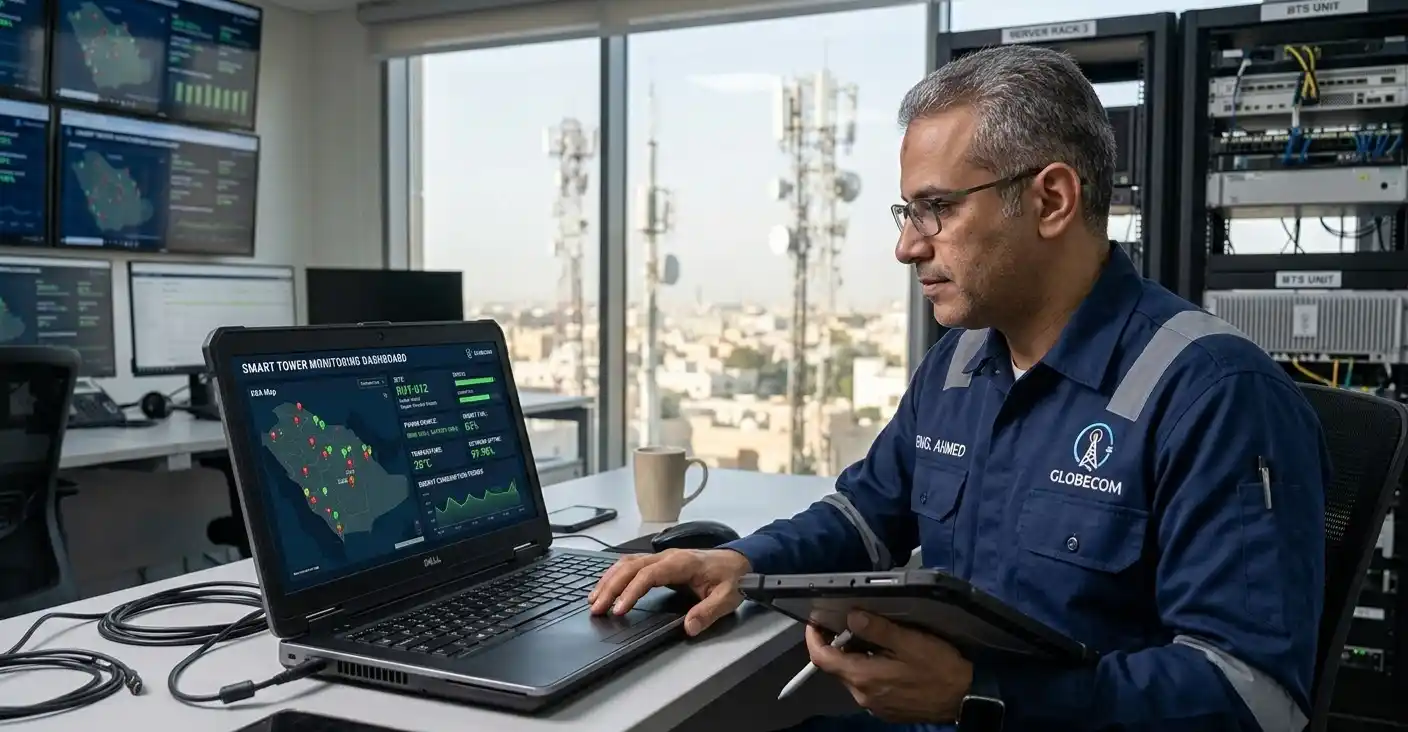
The collected data is analyzed through centralized dashboards, enabling operators to identify irregularities, receive alerts, and respond quickly to operational issues.
Why IoT Matters in Telecom Infrastructure
Telecom towers operate in challenging environments where uninterrupted power and equipment stability are critical. Remote locations, harsh weather conditions, and rising energy costs make infrastructure management increasingly complex.
The adoption of industrial IoT solutions enables telecom providers to automate monitoring processes and improve operational efficiency without increasing maintenance workloads.
IoT-enabled systems support:
Remote access to tower performance data:
Faster identification of faults and outages:
Improved backup power management:
Reduced maintenance delays:
Better visibility across distributed sites:
Enhanced operational reliability:
Key Components of Smart Tower Monitoring
Power Source Supervision: Power interruptions remain one of the biggest risks for telecom infrastructure. Smart monitoring systems continuously track grid availability, battery status, and generator activity to ensure uninterrupted operations. Using power source monitoring for telecom towers, operators can quickly identify abnormal power conditions and take corrective action before service disruption occurs.
Fuel and Generator Monitoring: Generators play a vital role in maintaining telecom operations during outages. Intelligent monitoring systems help track fuel consumption, generator runtime, and operational efficiency in real time. A connected fuel and energy monitoring system for telecom improves transparency and helps reduce unnecessary operational losses at remote tower locations.
Battery Performance Tracking: Battery health directly impacts tower uptime during power failures. Monitoring platforms provide insights into charging cycles, battery voltage, backup duration, and performance trends. This helps telecom providers improve maintenance planning while extending equipment lifespan.
Centralized Infrastructure Visibility: Managing hundreds of telecom sites manually can be time-consuming and inefficient. Smart monitoring platforms provide centralized dashboards that deliver live alerts, analytics, and operational insights from multiple locations. Advanced multi-site telecom energy management systems simplify infrastructure supervision and improve overall operational control.
Benefits of Smart Tower Monitoring
Reduced Downtime: Real-time alerts allow operators to detect faults early and respond before issues affect network availability.
Improved Energy Efficiency: Continuous monitoring helps optimize power usage, generator performance, and battery utilization across telecom sites.
Lower Operational Costs: Remote monitoring reduces the need for frequent site visits and supports predictive maintenance strategies.
Better Decision-Making: Data-driven insights help operators analyze performance trends and improve long-term infrastructure planning.
Smart Telecom Monitoring in Saudi Arabia
Saudi Arabia is rapidly investing in digital transformation, smart infrastructure, and next-generation telecom networks. As tower deployments continue expanding, intelligent infrastructure management is becoming increasingly important.
The demand for telecom power monitoring solutions is growing as telecom providers seek more reliable and scalable monitoring technologies.
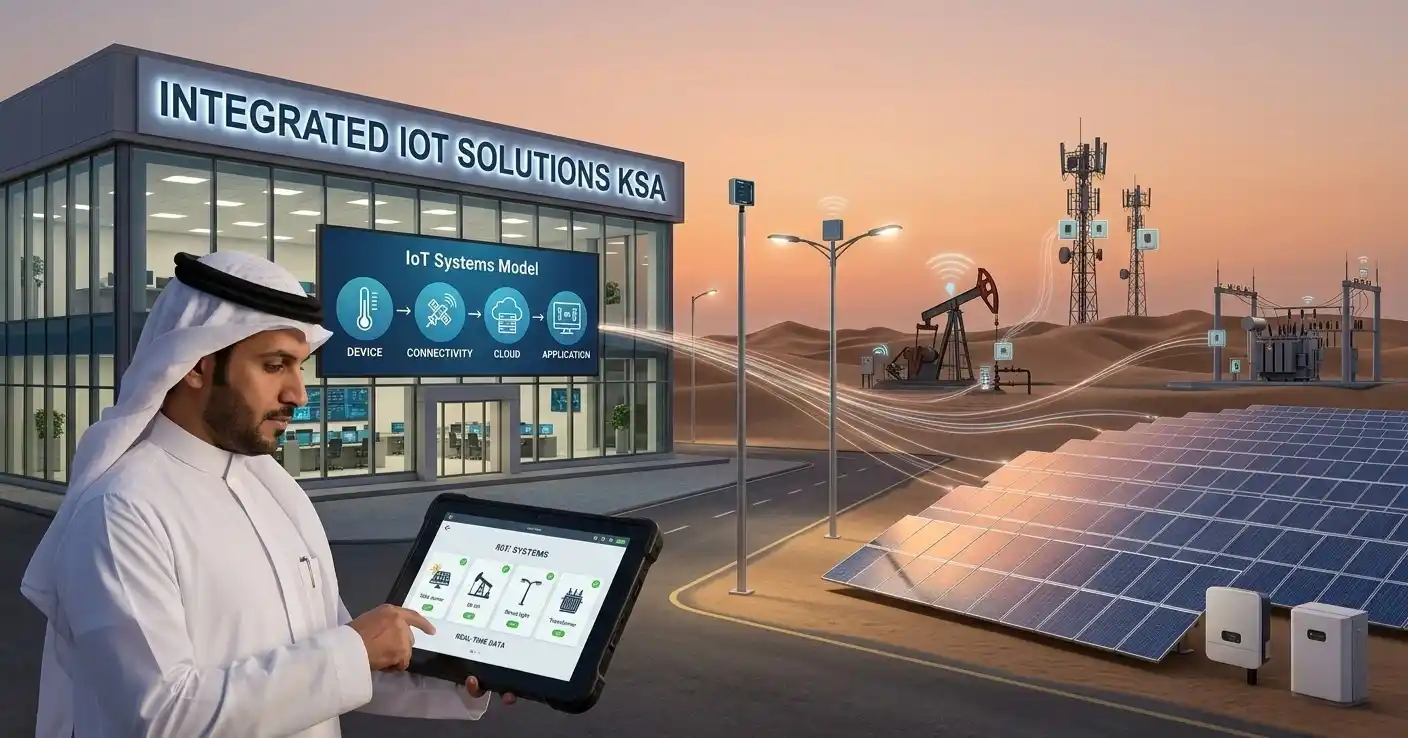
At the same time, businesses across the region are adopting IoT solutions in Saudi Arabia to support automation, operational visibility, and smarter infrastructure management.
Future of IoT in Telecom
The future of telecom operations will depend heavily on automation, predictive analytics, and connected infrastructure. IoT technologies are expected to play a major role in improving tower efficiency, reducing energy waste, and supporting the expansion of 5G networks.
As telecom infrastructure becomes more data-driven, intelligent monitoring systems will continue helping operators improve performance, strengthen reliability, and manage large-scale operations more effectively.
Conclusion
Smart tower monitoring is transforming the telecom industry by improving operational visibility, reducing downtime, and enabling proactive infrastructure management. Through intelligent IoT technologies, telecom providers can monitor critical assets remotely while optimizing energy performance and maintenance efficiency.
As digital connectivity continues to expand, smart monitoring solutions will remain essential for building reliable, scalable, and future-ready telecom networks.