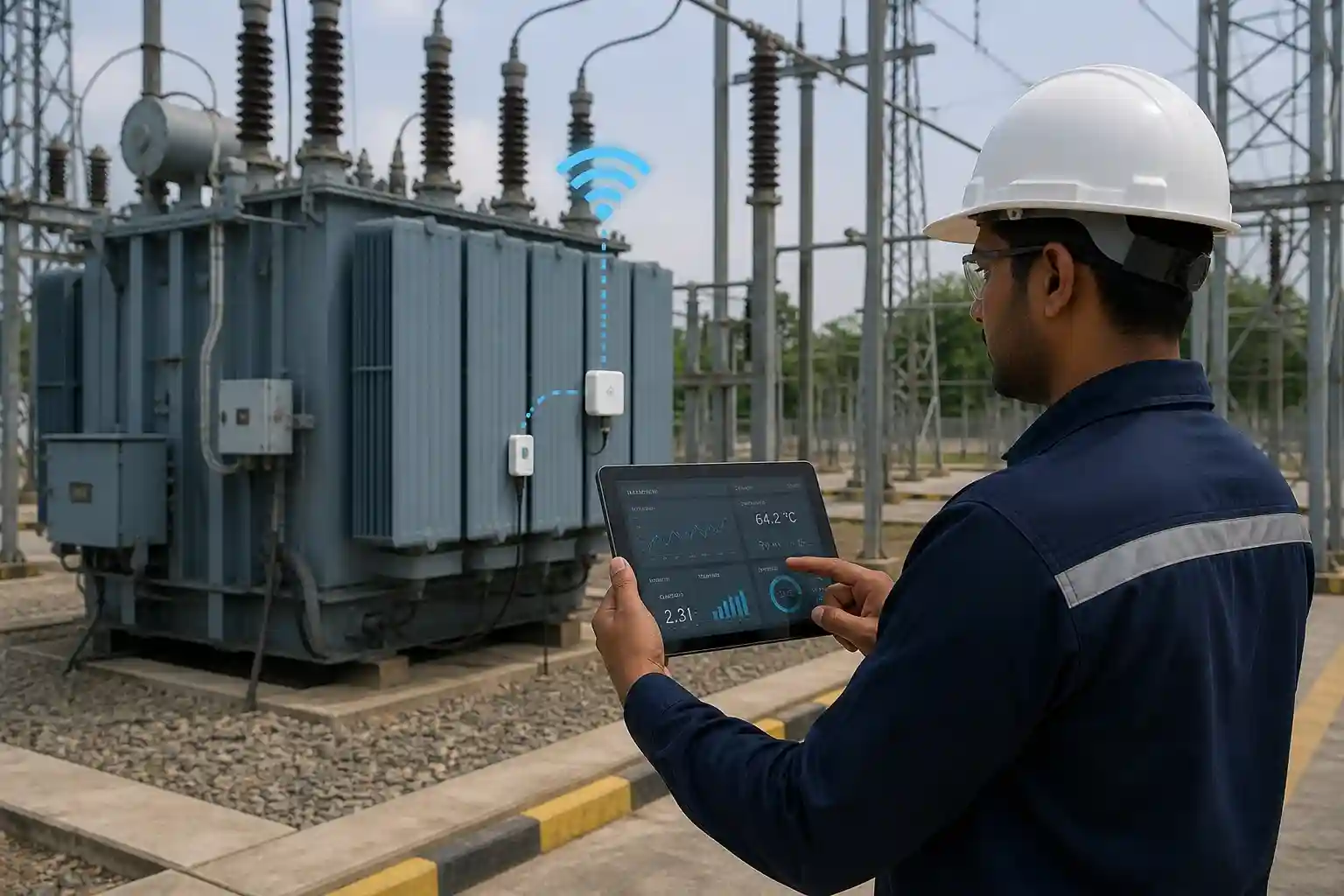
IoT-Based Transformer Monitoring Systems
Introduction
Power transformers play a critical role in electrical infrastructure, supporting industries, utilities, commercial facilities, and smart energy networks. As energy demand continues to grow, businesses are increasingly adopting intelligent monitoring technologies to improve operational visibility and reduce unexpected failures.
Modern IoT solutions for energy are helping organizations move beyond manual inspections by enabling continuous monitoring, automated alerts, and data-driven maintenance strategies. IoT-enabled transformer systems allow operators to monitor equipment health remotely while improving efficiency, safety, and asset lifespan.
Why Transformer Monitoring Matters
Transformers operate under varying load conditions and environmental factors that can impact performance over time. Traditional maintenance approaches often rely on periodic inspections, which may not always identify issues early enough.
A modern transformer health monitoring system provides real-time operational insights that help maintenance teams detect abnormalities before they lead to costly outages. Parameters such as oil temperature, winding condition, load behavior, voltage fluctuation, and insulation performance can be monitored continuously through connected sensors and cloud platforms.
How IoT Improves Transformer Monitoring
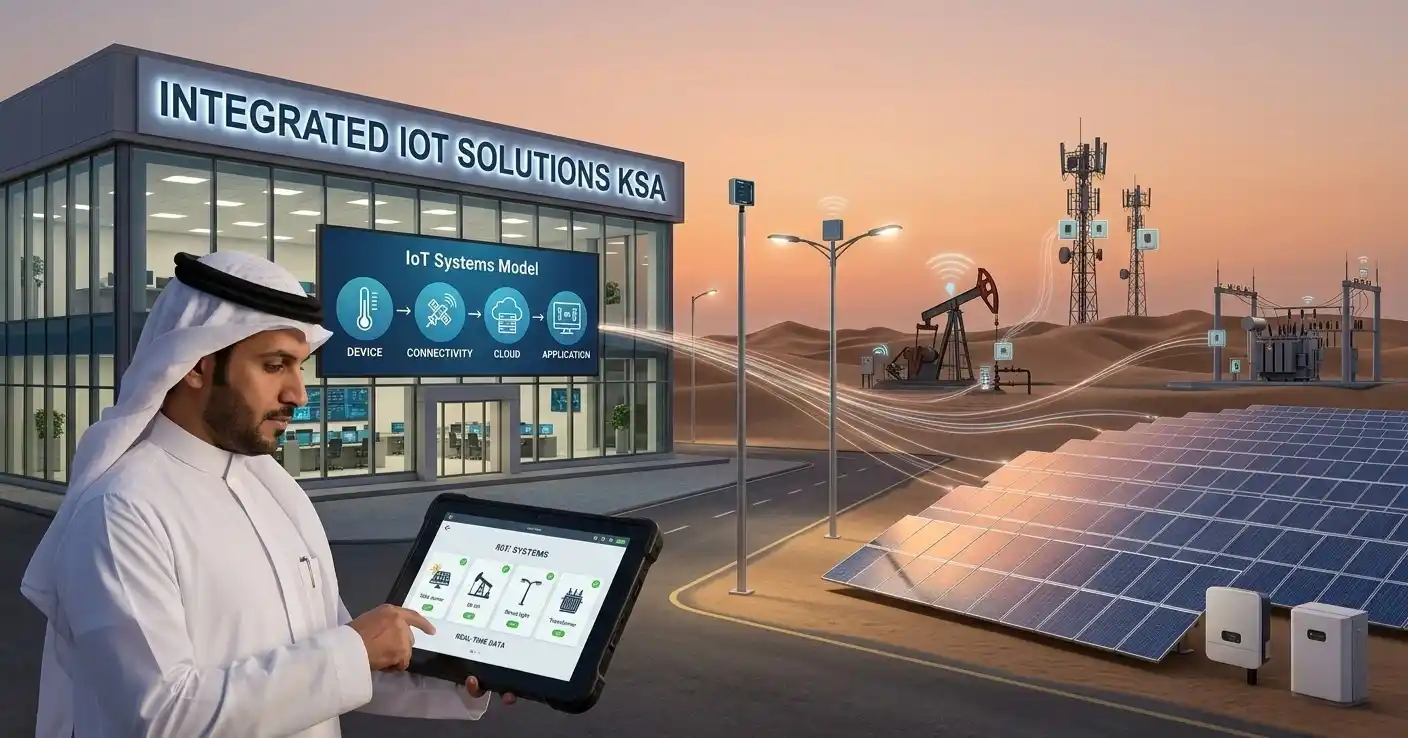
An advanced IoT transformer monitoring platform combines sensors, communication gateways, analytics software, and cloud connectivity to deliver real-time operational intelligence.
These systems can monitor:
- Transformer oil temperature
- Load performance
- Voltage and current variations
- Oil level conditions
- Power quality metrics
- Environmental conditions around equipment
With continuous IoT-based monitoring, maintenance teams can instantly detect abnormal activity or threshold breaches through real-time alerts.
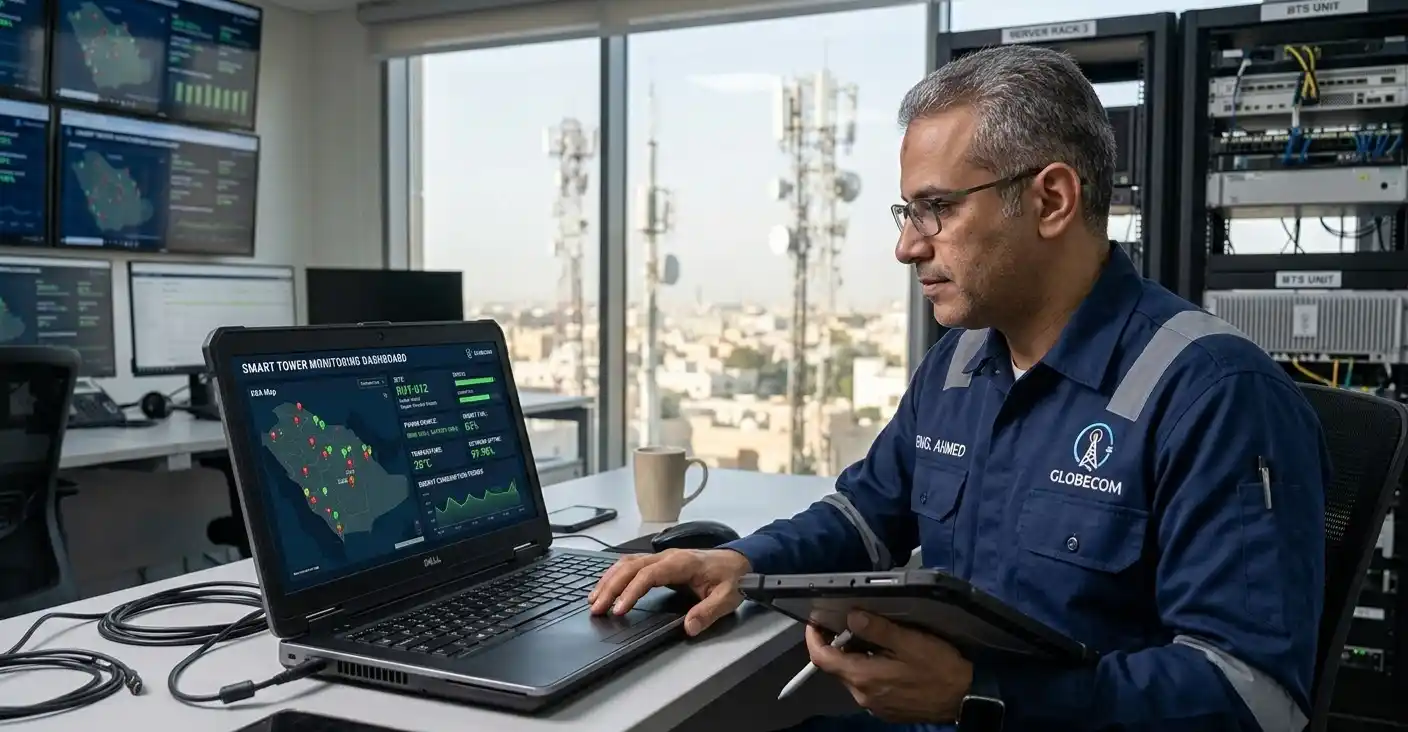
Remote accessibility also allows engineers to monitor multiple transformer locations through centralized dashboards, reducing the need for frequent on-site inspections.
Key Benefits of IoT-Based Transformer Monitoring
Improved Equipment Reliability
Continuous monitoring helps identify early warning signs before faults become severe. A reliable transformer condition monitoring strategy minimizes unexpected shutdowns and improves operational continuity.
Predictive Maintenance Capabilities
Connected monitoring platforms help organizations shift from reactive maintenance to predictive maintenance. By analyzing historical and live operational data, teams can plan servicing activities more efficiently.
Reduced Operational Costs
Remote diagnostics reduce manual inspection requirements and unnecessary maintenance visits. This helps optimize workforce utilization while improving maintenance planning.
Enhanced Power Distribution Efficiency
A modern power transformer monitoring system helps utilities and industrial facilities maintain stable electrical performance while reducing overload risks and energy losses.
Multi-Site Monitoring
Organizations managing distributed electrical infrastructure can monitor assets across multiple facilities using centralized cloud dashboards and analytics tools.
Industrial Applications of Transformer Monitoring Systems
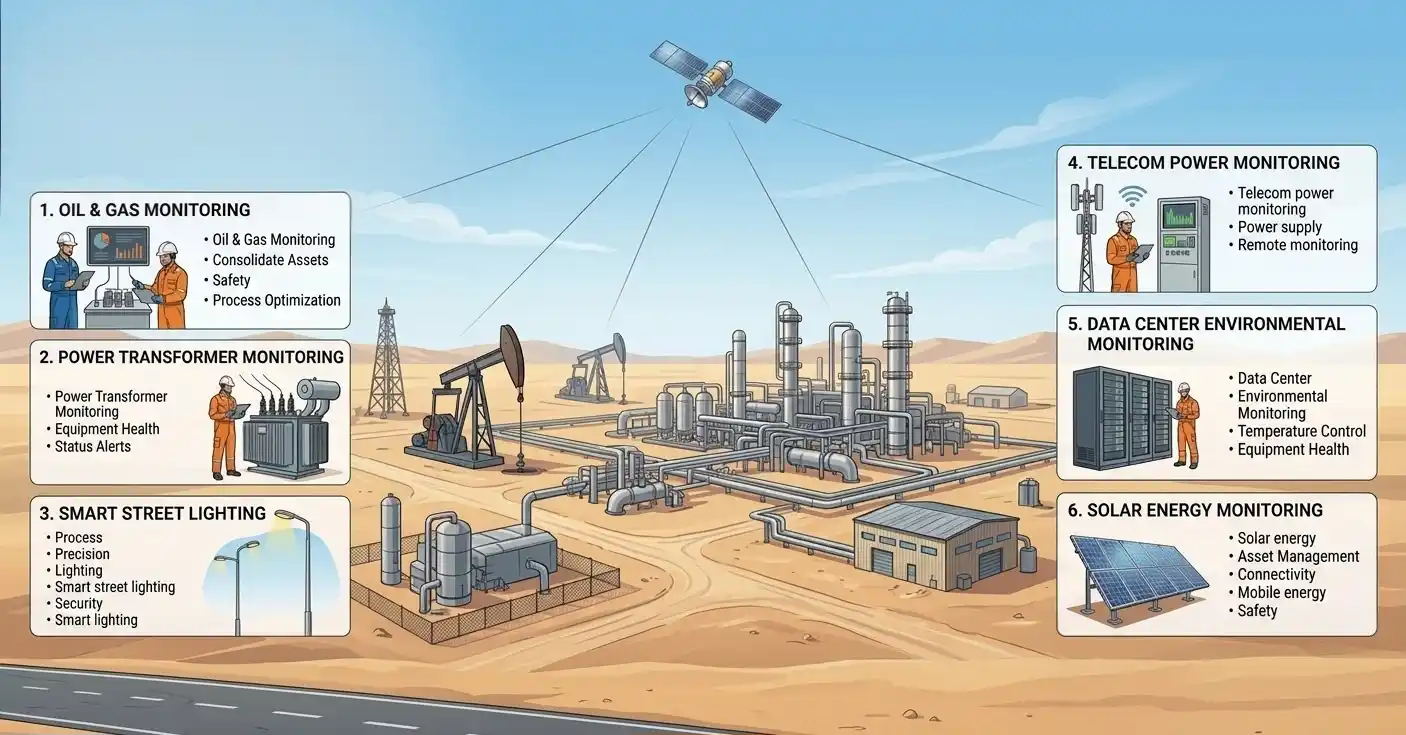
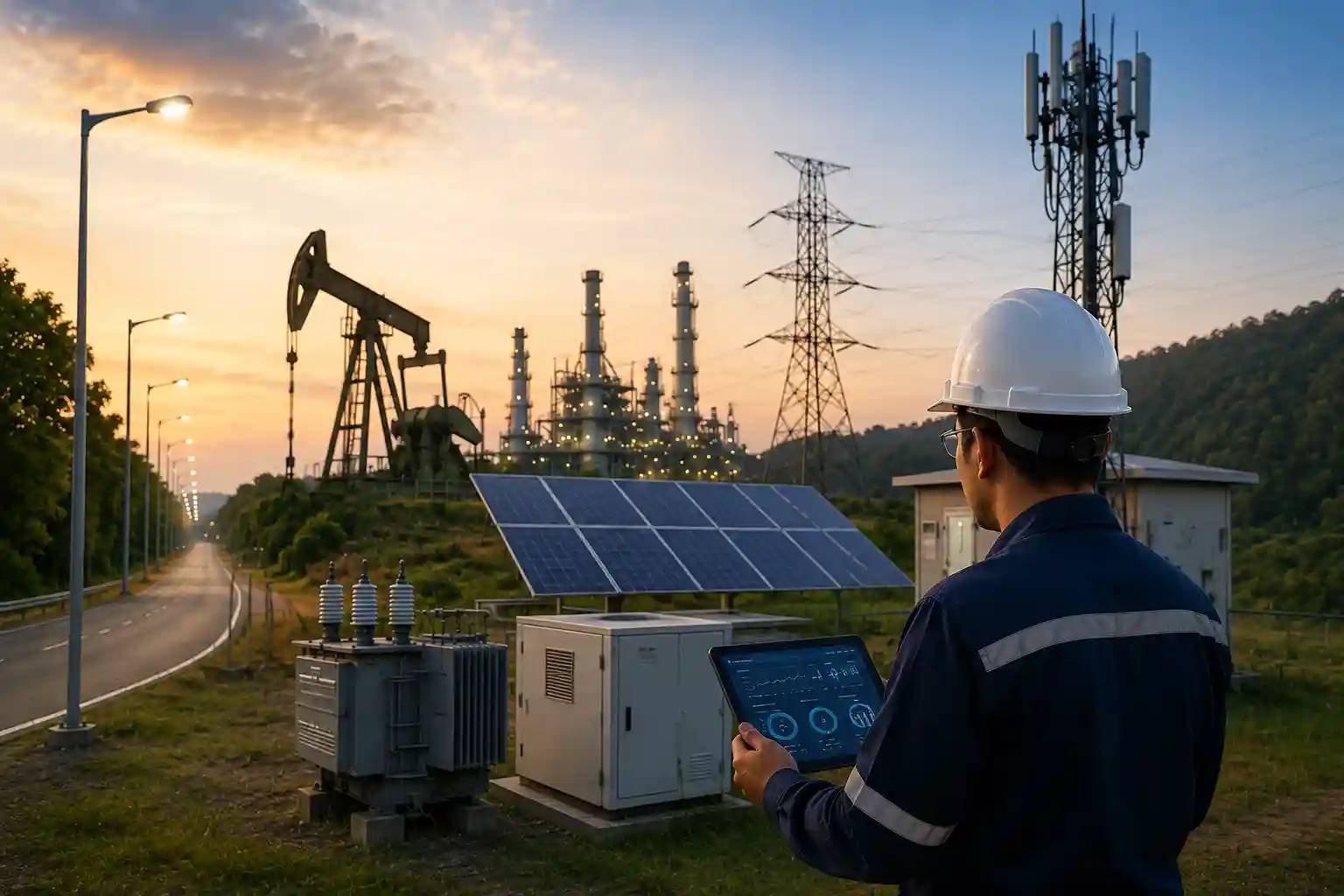
IoT-based transformer monitoring solutions are widely used across industries that depend on uninterrupted power supply and efficient electrical infrastructure.
Common applications include:
- Utility substations
- Manufacturing facilities
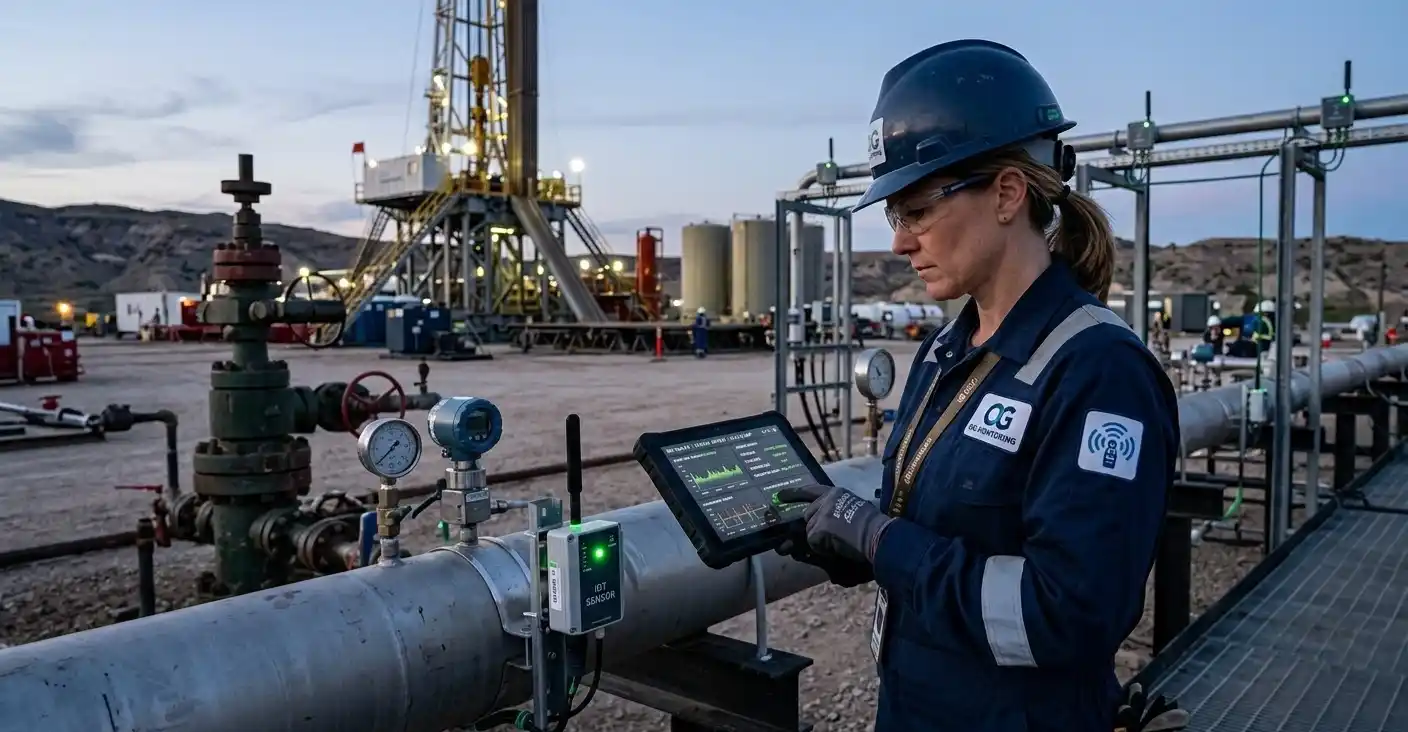
- Oil and gas operations
- Renewable energy plants
- Commercial infrastructure
- Smart city power networks
- Industrial automation systems
Businesses implementing industrial IoT solutions and services are increasingly integrating transformer monitoring into broader digital infrastructure management strategies.
Smart Monitoring for Modern Utilities
The growing adoption of smart grids and connected infrastructure is driving demand for intelligent monitoring systems. Utilities now require scalable platforms capable of handling large volumes of operational data while supporting remote asset management.
A robust IoT monitoring platform helps operators gain better visibility into transformer performance, energy distribution, and maintenance planning. Advanced analytics can also improve operational forecasting and long-term asset management strategies.
In regions focused on digital transformation and energy modernization, intelligent monitoring technologies are becoming an important part of infrastructure development.
Transformer Monitoring in Saudi Arabia
The demand for smart infrastructure technologies continues to rise across the Kingdom as industries adopt advanced automation and energy management systems.
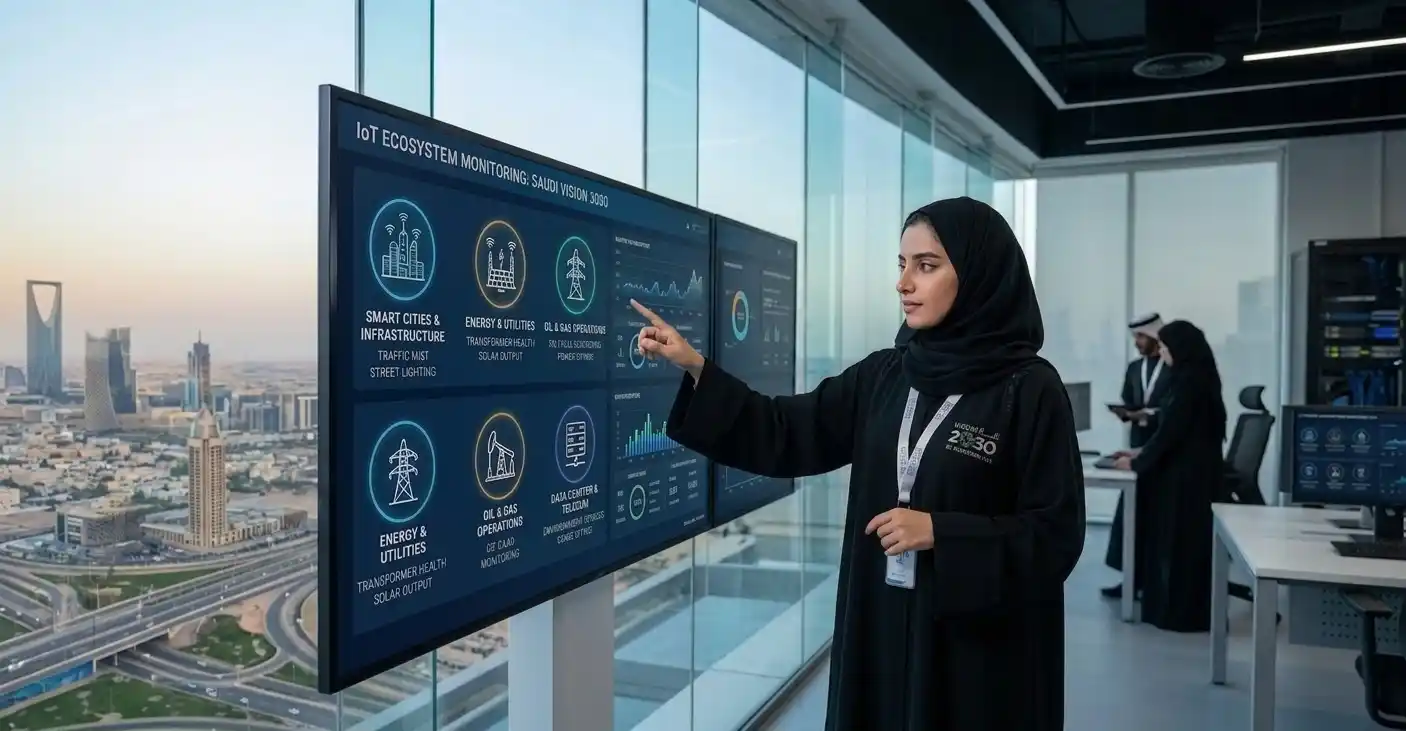
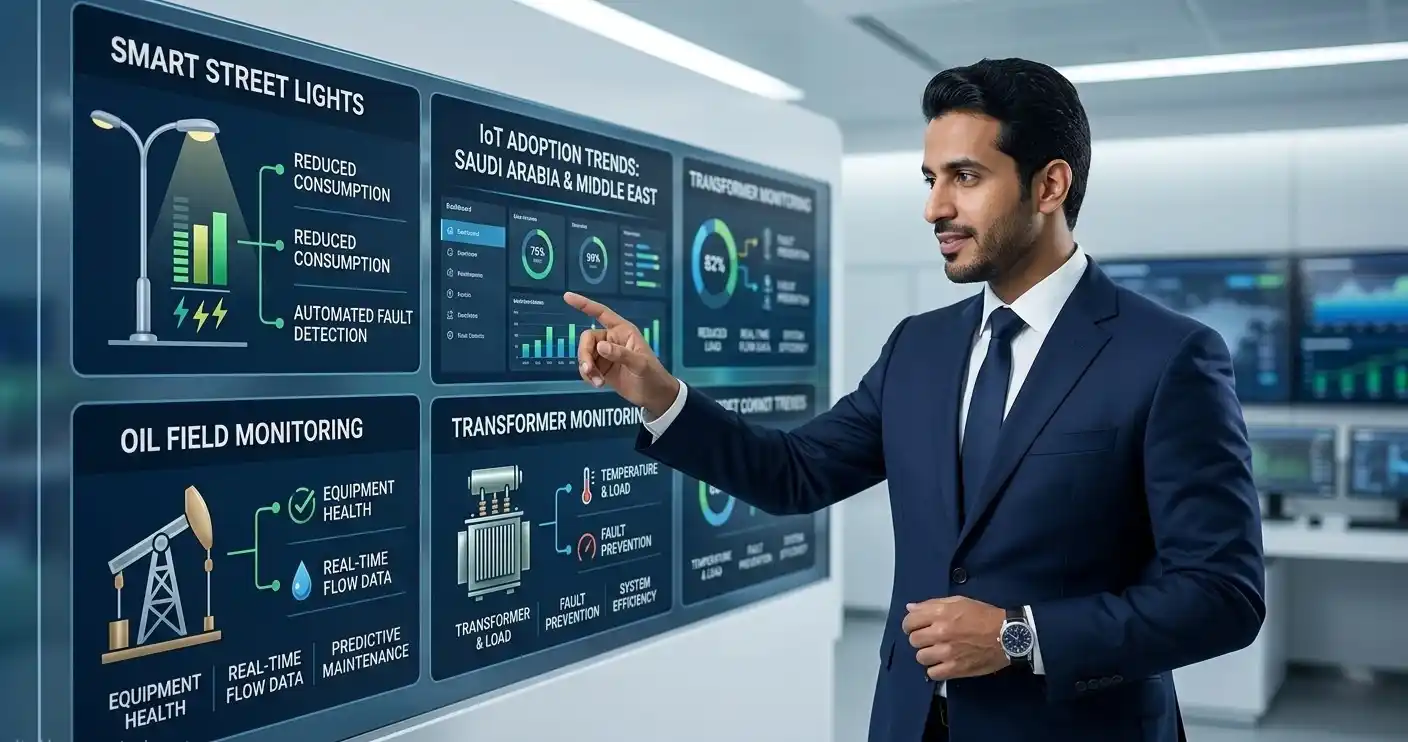
Organizations implementing Transformer monitoring system solutions in Saudi Arabia are focusing on operational reliability, predictive maintenance, and remote infrastructure visibility. Industrial facilities, utilities, and energy providers are increasingly investing in connected monitoring systems to support digital transformation initiatives.
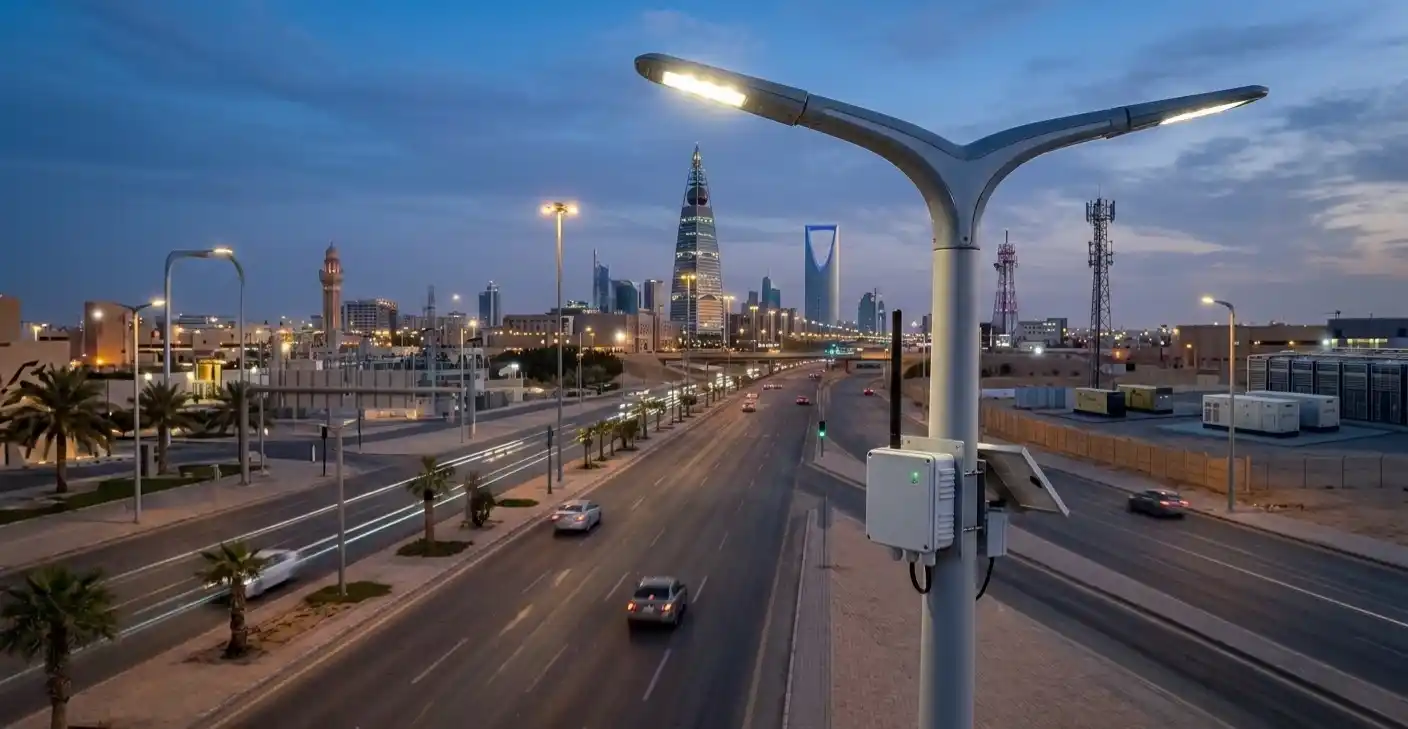
Similarly, businesses deploying IoT solutions in Saudi Arabia are integrating smart monitoring technologies across energy, utilities, telecom, oil and gas, and industrial operations to improve efficiency and infrastructure management.
The Future of Connected Energy Infrastructure
As industrial systems become more connected, transformer monitoring technologies will continue evolving with AI-driven analytics, edge computing, and automated diagnostics.
Future-ready monitoring systems will support:
- Intelligent fault prediction
- Automated maintenance recommendations
- Cloud-based reporting
- Remote infrastructure management
- Smart grid integration
- Energy optimization strategies
Organizations adopting custom IoT solutions can build scalable monitoring ecosystems tailored to operational requirements and infrastructure complexity.
Conclusion
IoT-enabled transformer monitoring systems are helping industries modernize electrical infrastructure management through real-time visibility, predictive maintenance, and intelligent analytics.
By leveraging connected technologies, businesses can improve equipment reliability, reduce maintenance costs, and strengthen operational efficiency across power distribution networks. As digital transformation accelerates across industrial sectors, smart monitoring solutions will continue playing a vital role in building resilient and energy-efficient infrastructure.