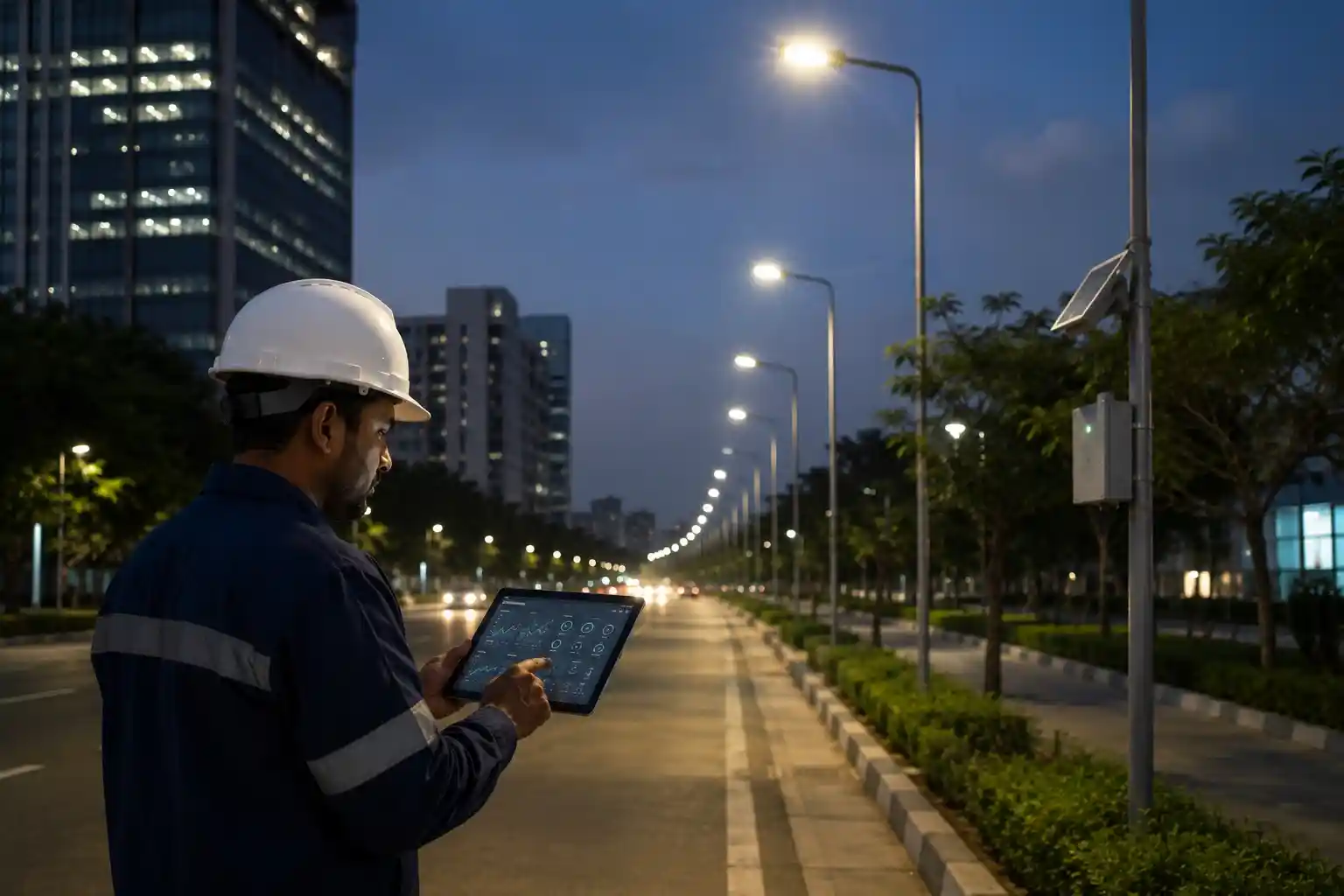
Smart Street Lighting Using IoT: Transforming Urban Infrastructure
Introduction
Urban infrastructure is evolving rapidly as cities adopt connected technologies to improve efficiency, sustainability, and public safety. One of the most impactful innovations in modern infrastructure management is the smart street light monitoring system, which enables intelligent control and monitoring of public lighting networks through connected devices and real-time analytics.
Traditional lighting systems often consume excessive energy and require manual inspections for maintenance. With the integration of IoT technology, municipalities and infrastructure operators can now automate street lighting operations, reduce maintenance costs, and improve overall performance through centralized monitoring platforms.
Why Smart Street Lighting Matters
Street lighting plays a major role in urban safety, energy management, and city operations. Conventional systems usually operate on fixed schedules, making them inefficient during low-traffic hours and difficult to manage at scale.
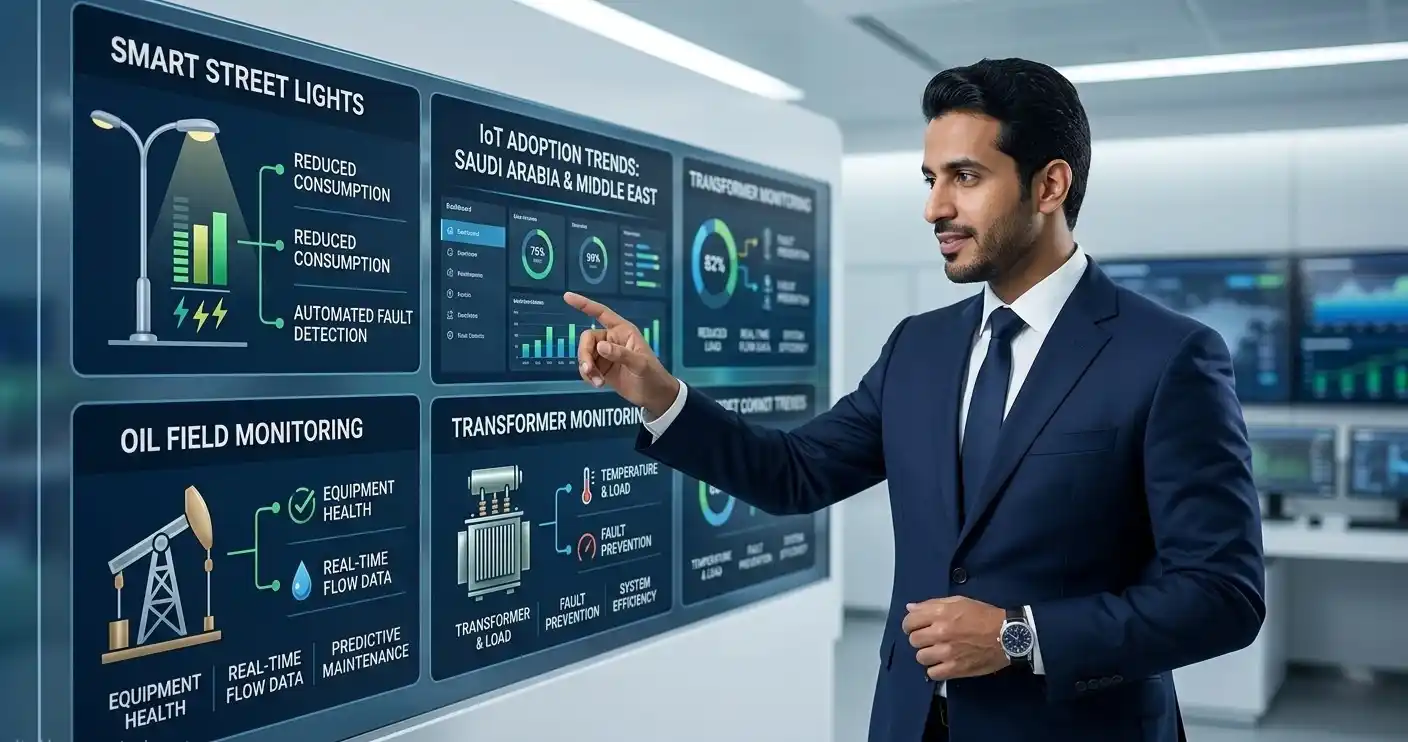
Modern IoT solutions help overcome these limitations by enabling automated lighting control, fault detection, and remote asset management. Connected lighting infrastructure allows operators to monitor energy usage, identify failures instantly, and optimize performance without manual intervention.
As cities move toward digital transformation, intelligent lighting networks are becoming a key component of smarter and more sustainable urban environments.
How IoT-Based Street Lighting Systems Work
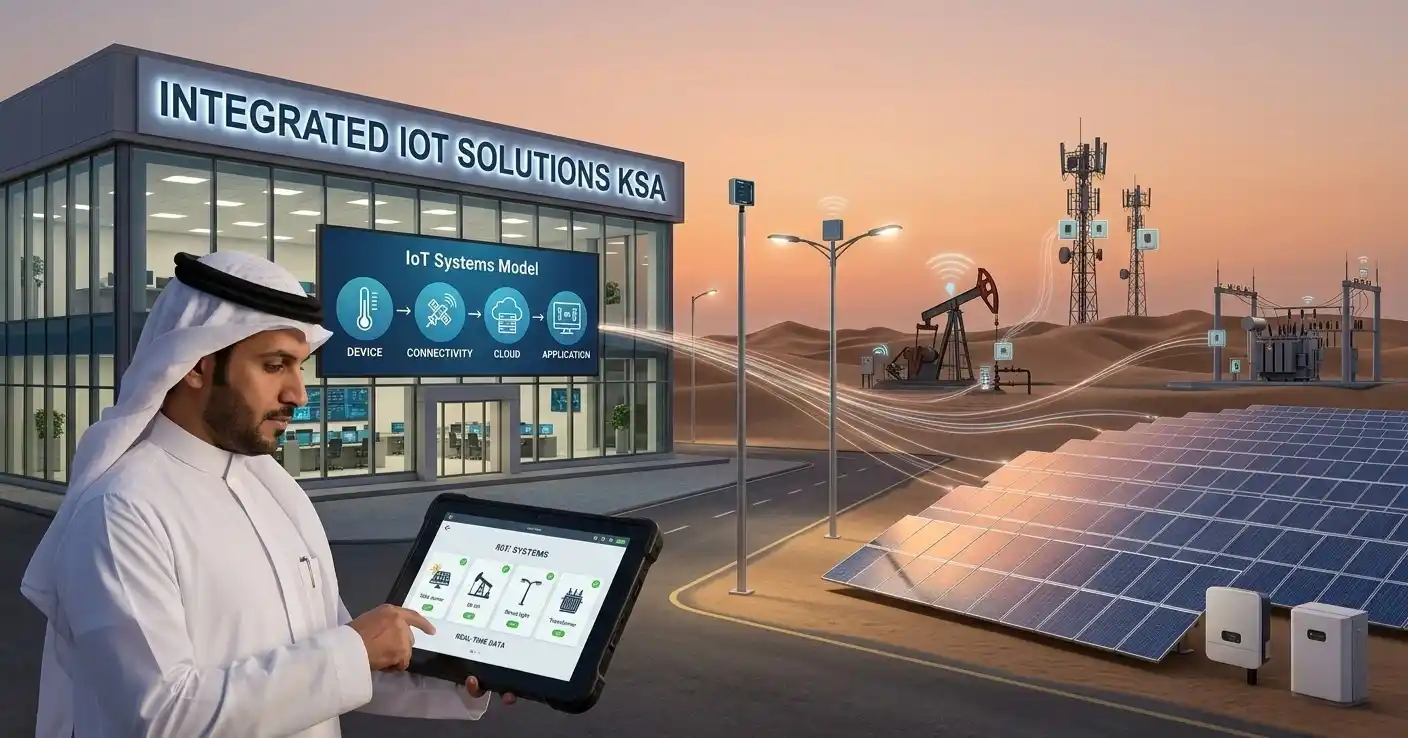
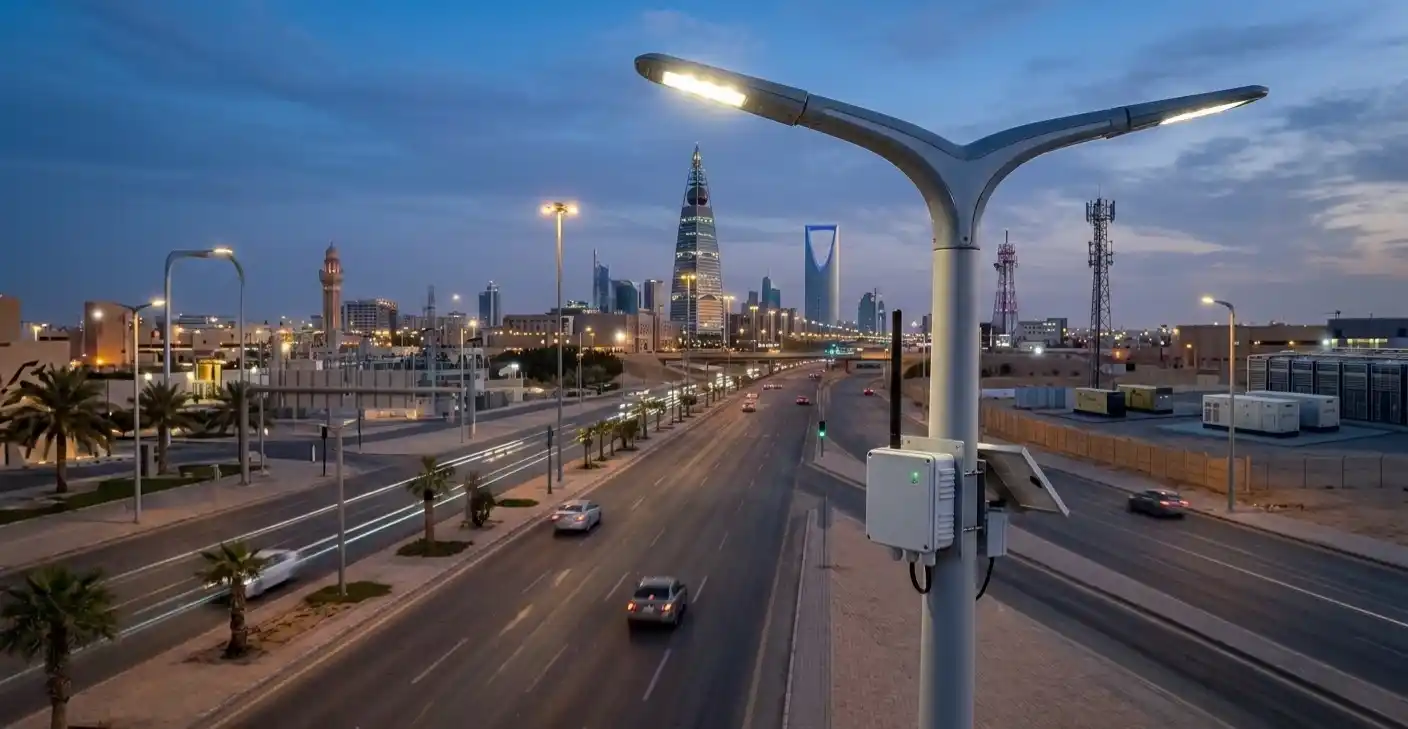
An IoT-based street light monitoring system uses sensors, communication modules, gateways, and cloud-based software to collect and analyze operational data from lighting infrastructure.
These systems monitor:
- Power consumption
- Lamp performance
- Voltage fluctuations
- Operating schedules
- Fault conditions
- Environmental data
Using a centralized dashboard, operators can remotely manage street lights, automate schedules, and receive instant alerts whenever abnormal activity or outages occur.
This improves operational efficiency while reducing downtime and maintenance efforts.
Key Benefits of Smart Street Light Monitoring
Energy Optimization
Intelligent lighting systems help reduce unnecessary electricity usage by automatically adjusting brightness levels based on traffic movement, weather conditions, or predefined schedules.
This contributes to lower operational costs and improved sustainability outcomes for urban infrastructure projects.
Real-Time Fault Detection
Traditional maintenance methods often rely on physical inspections or public complaints. With street light fault detection, technical issues can be identified immediately through automated notifications.
Maintenance teams can respond faster, improving service reliability and reducing infrastructure downtime.
Remote Infrastructure Management
A centralized street light management system enables operators to monitor and control lighting assets remotely from a single platform.
This simplifies maintenance planning, improves operational visibility, and allows infrastructure teams to manage large-scale lighting networks more efficiently.
Improved Urban Infrastructure
Connected lighting systems also support broader IoT and smart cities initiatives by integrating with traffic systems, surveillance infrastructure, environmental sensors, and public safety networks.
Smart infrastructure creates more responsive and data-driven city operations while enhancing public services.
The Role of IoT in Urban Development
Modern cities are increasingly adopting connected technologies to improve infrastructure management and resource utilization. Advanced lighting systems powered by an internet of things platform provide valuable operational insights that help organizations make faster and more informed decisions.
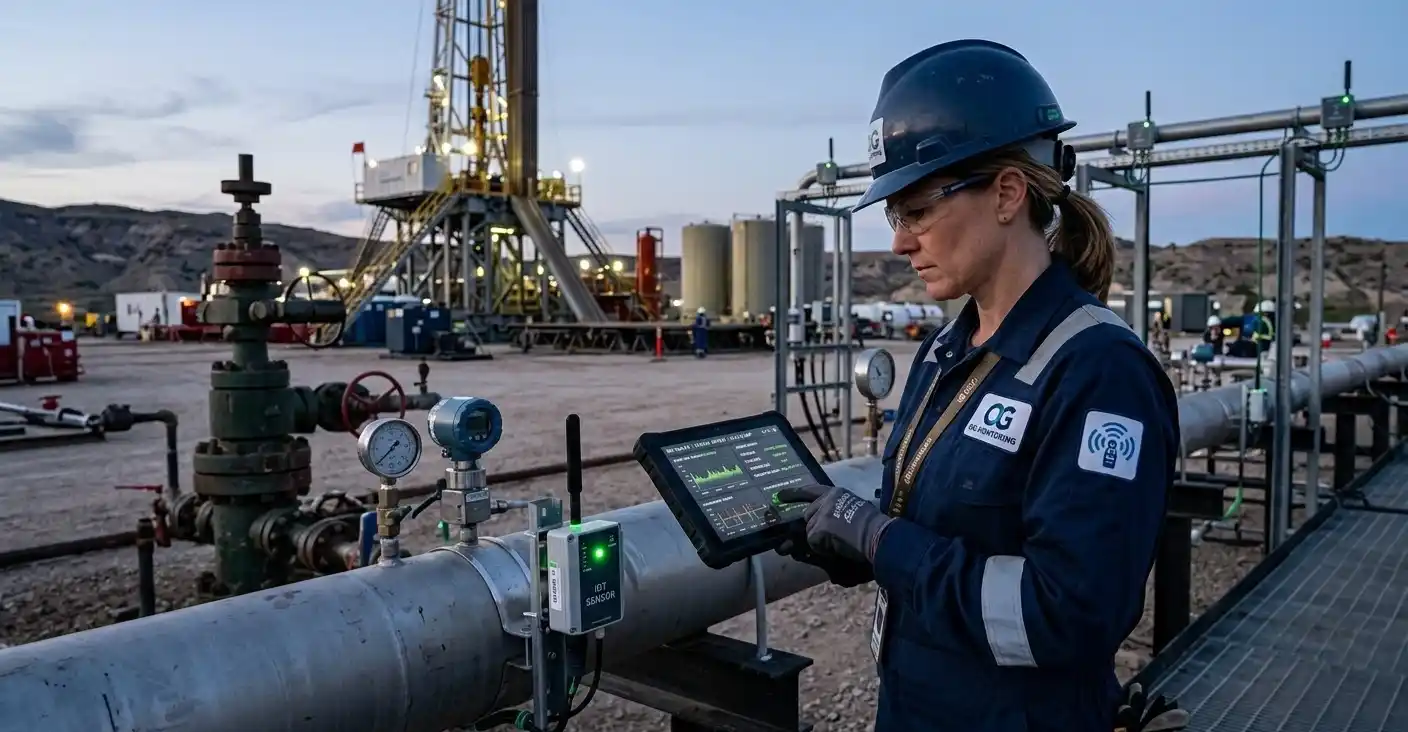
Businesses and infrastructure providers are also investing in custom IoT solutions to support automation, remote monitoring, and predictive maintenance across multiple sectors.
As connected ecosystems continue expanding, intelligent infrastructure monitoring is becoming essential for long-term operational efficiency.
Integration with Connected Monitoring Systems
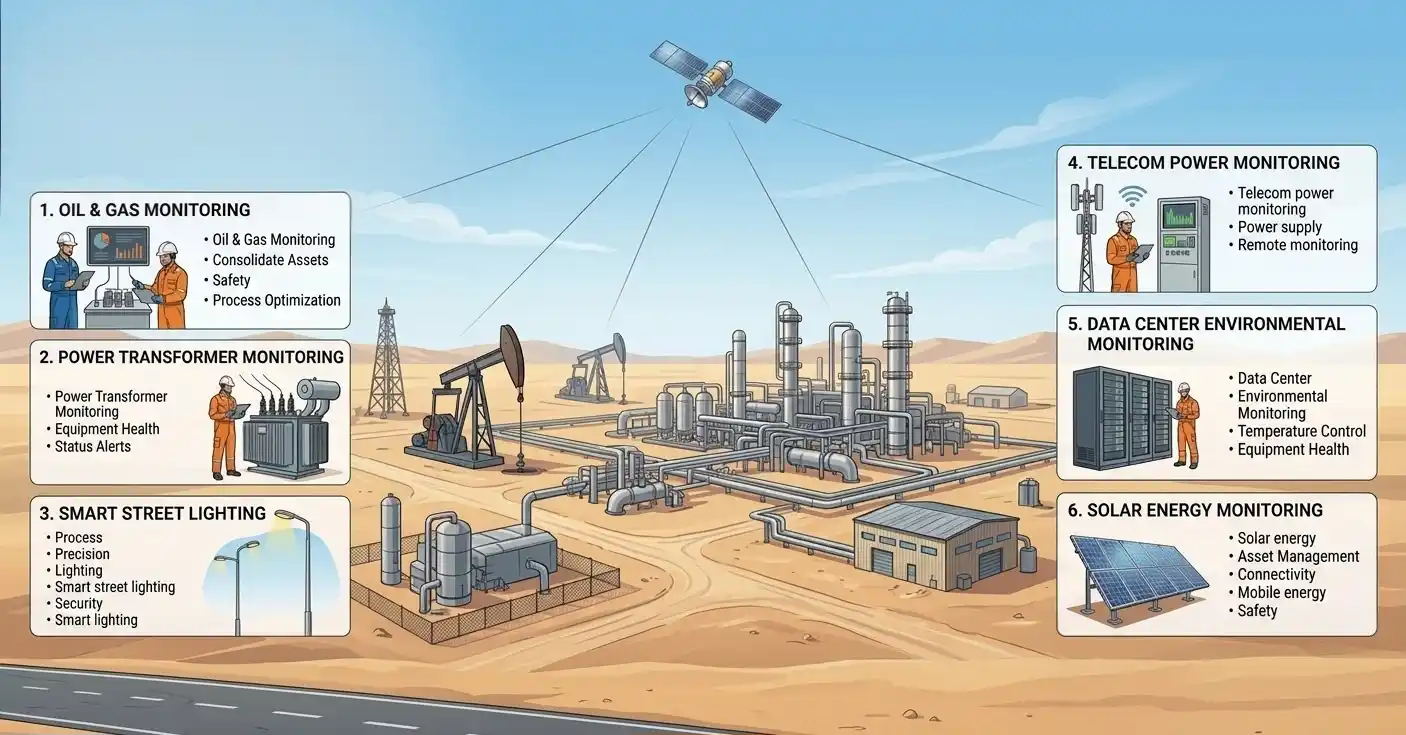
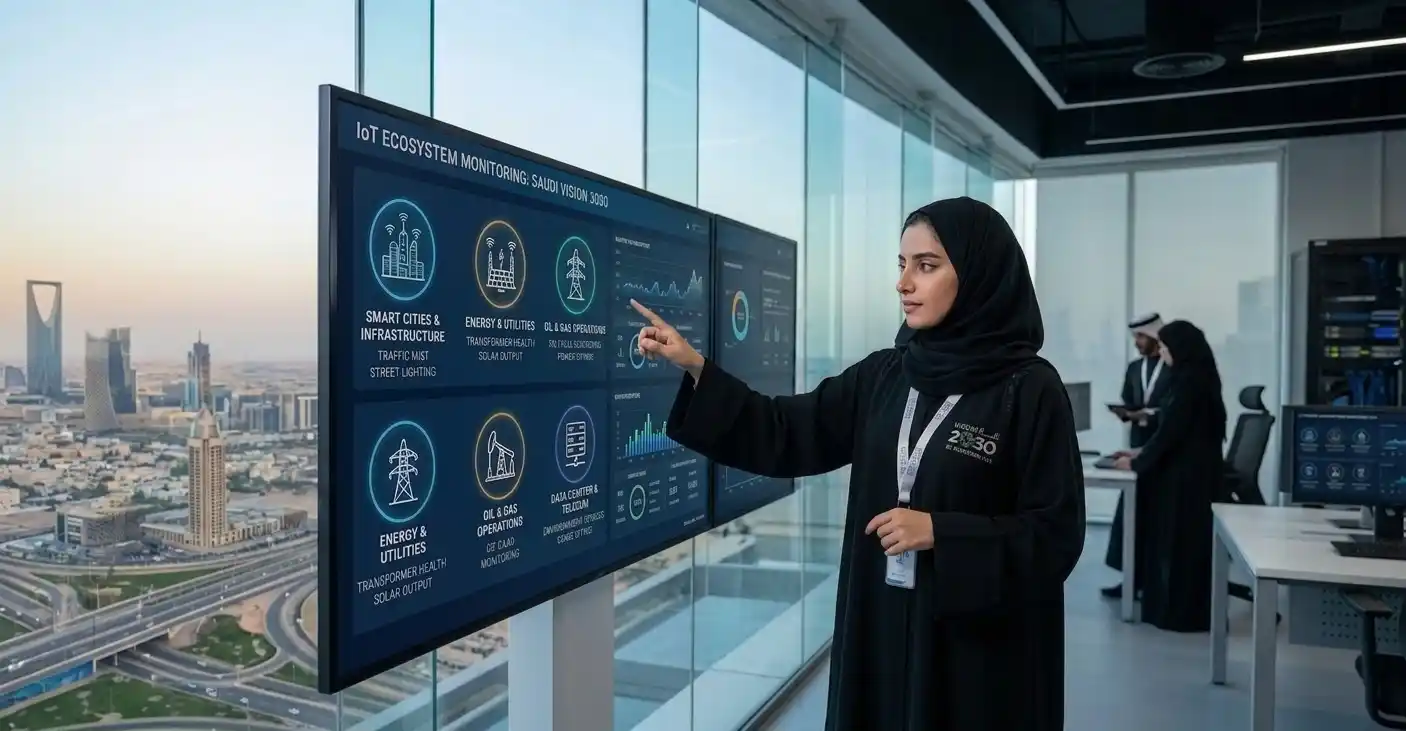
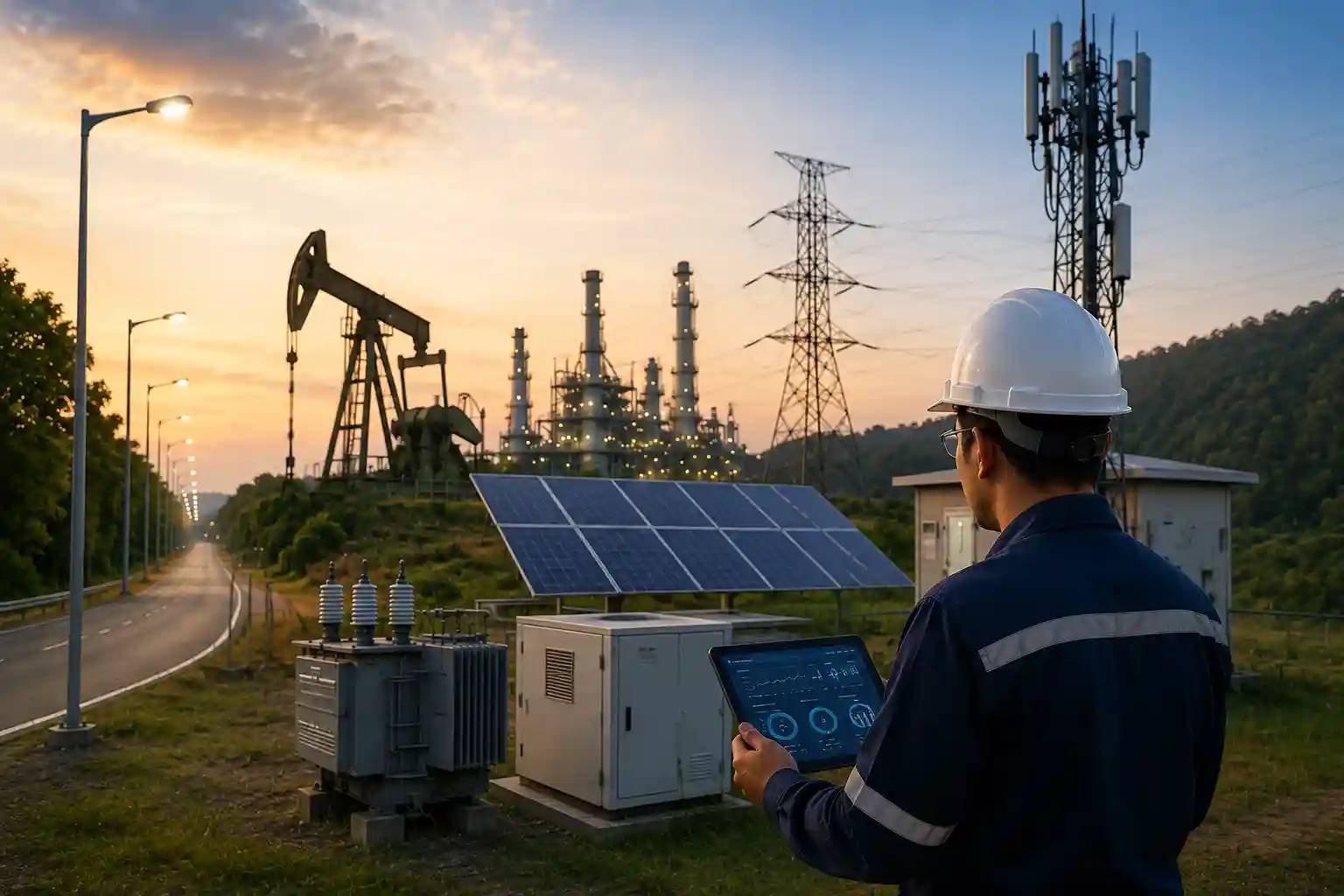
Smart lighting infrastructure can be integrated with other monitoring technologies to create a unified operational ecosystem.
These integrations may include:
- Data Center Environment monitoring platforms
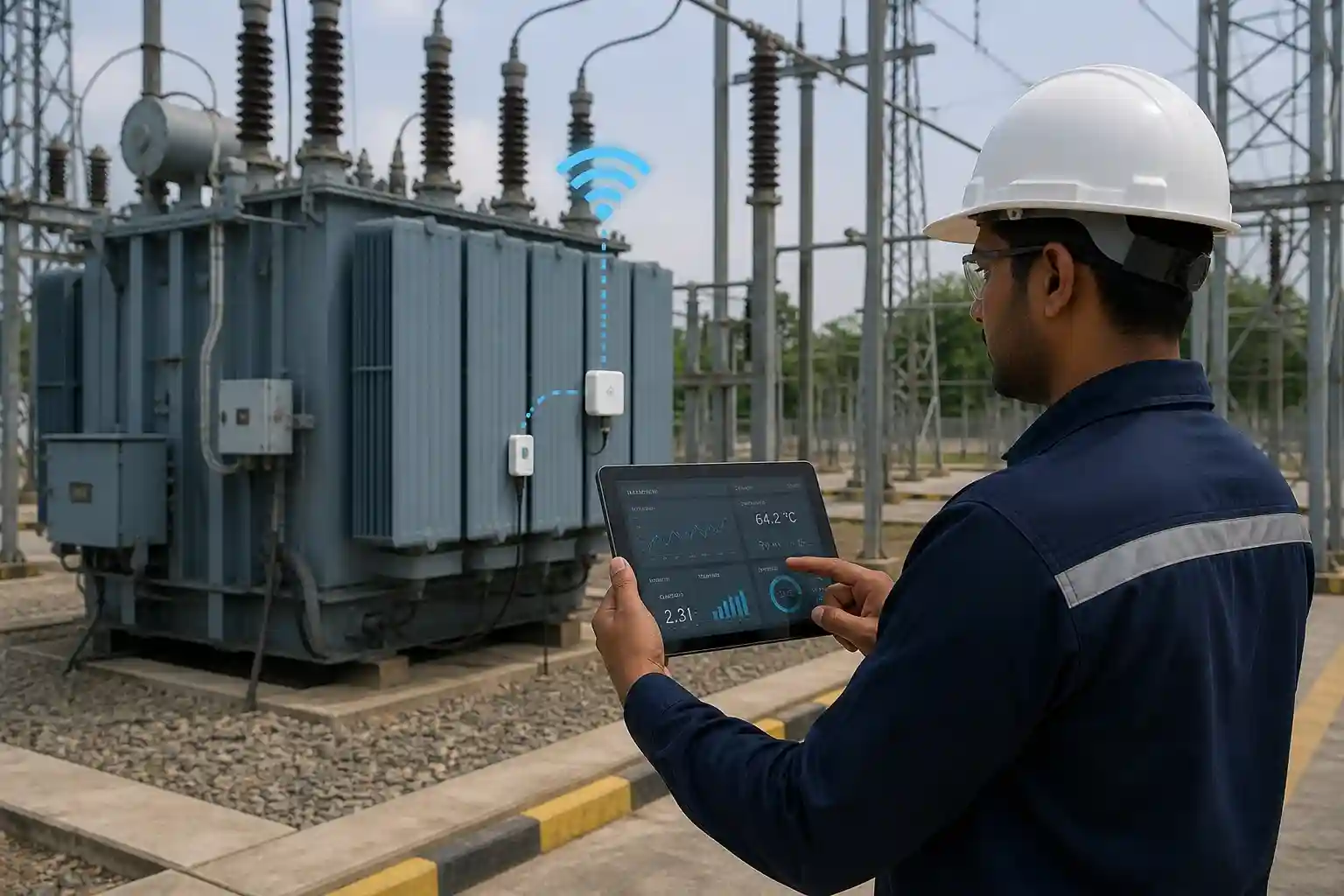
- Transformer monitoring systems
- Telecom Power Monitoring System solutions
- smart solar monitoring system technologies
Using integrated industrial IoT solutions and services, organizations can improve infrastructure visibility, optimize maintenance operations, and streamline performance monitoring across multiple assets.
Future of Smart Street Lighting
The future of intelligent lighting infrastructure will focus heavily on automation, predictive analytics, and AI-driven optimization.
Emerging technologies are expected to enhance:
- Energy efficiency
- Predictive maintenance
- Infrastructure analytics
- Remote asset management
- Automated operational control
Organizations implementing real-time IoT monitoring systems today are building smarter, more scalable infrastructure environments for the future.
Conclusion
Smart street lighting is transforming urban infrastructure through automation, connectivity, and intelligent monitoring capabilities. IoT-enabled systems help improve operational efficiency, reduce energy consumption, and simplify infrastructure management for modern cities and enterprises.
As connected technologies continue advancing, intelligent lighting systems will play an increasingly important role in building safer, more efficient, and sustainable urban environments.