AI + IoT: Building the Next Generation of Intelligent Systems
Introduction
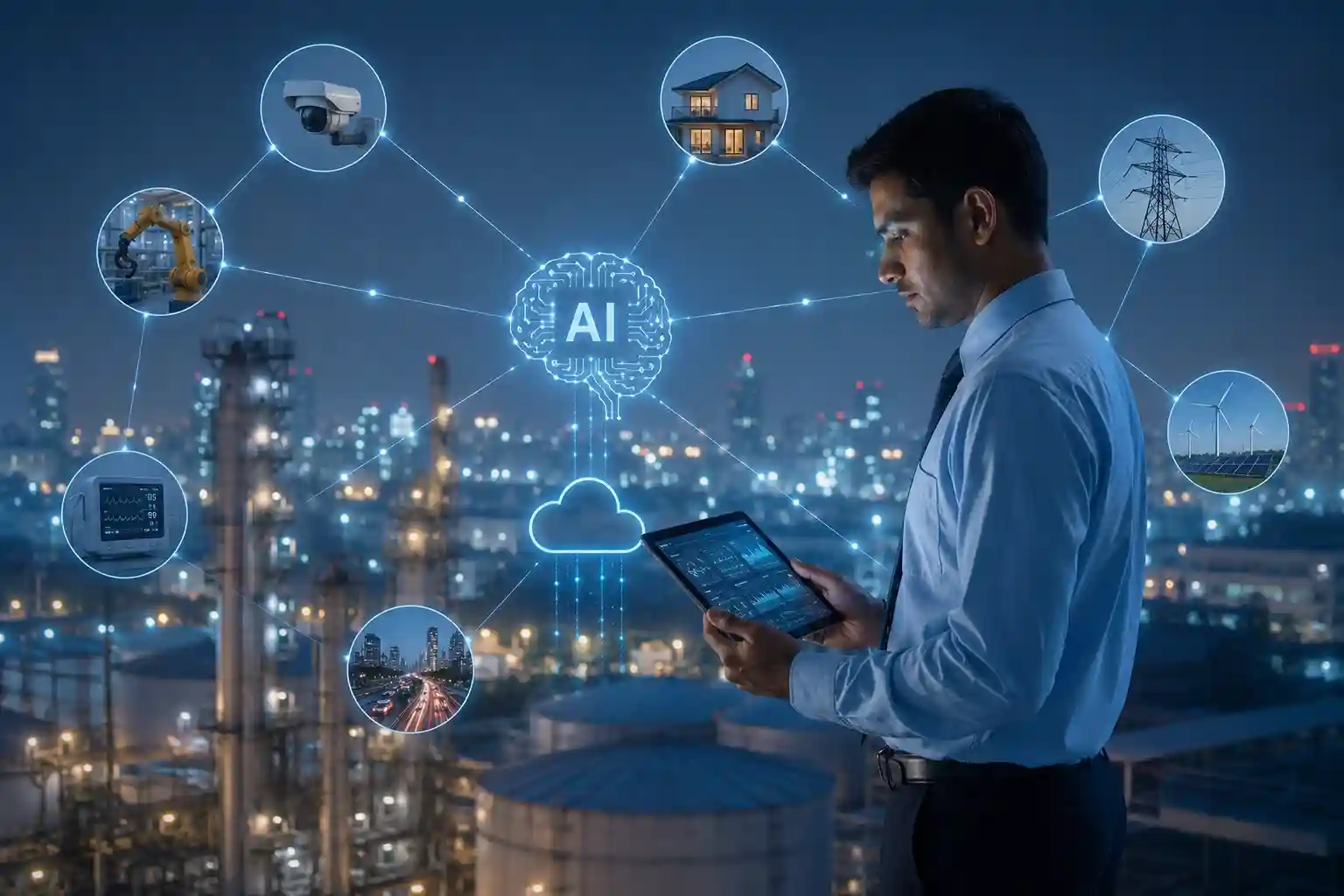
Artificial Intelligence (AI) and the Internet of Things (IoT) are redefining how modern industries operate. Connected devices now generate massive amounts of operational data, while AI-powered analytics convert that data into actionable insights that improve efficiency, reliability, and business performance.
From industrial facilities and smart infrastructure to energy management and remote operations, intelligent systems are becoming a core part of digital transformation strategies worldwide
As organizations continue investing in automation and data-driven operations, AI-integrated IoT ecosystems are enabling faster decision-making, predictive maintenance, and smarter resource management across multiple sectors.
How AI Enhances IoT Systems
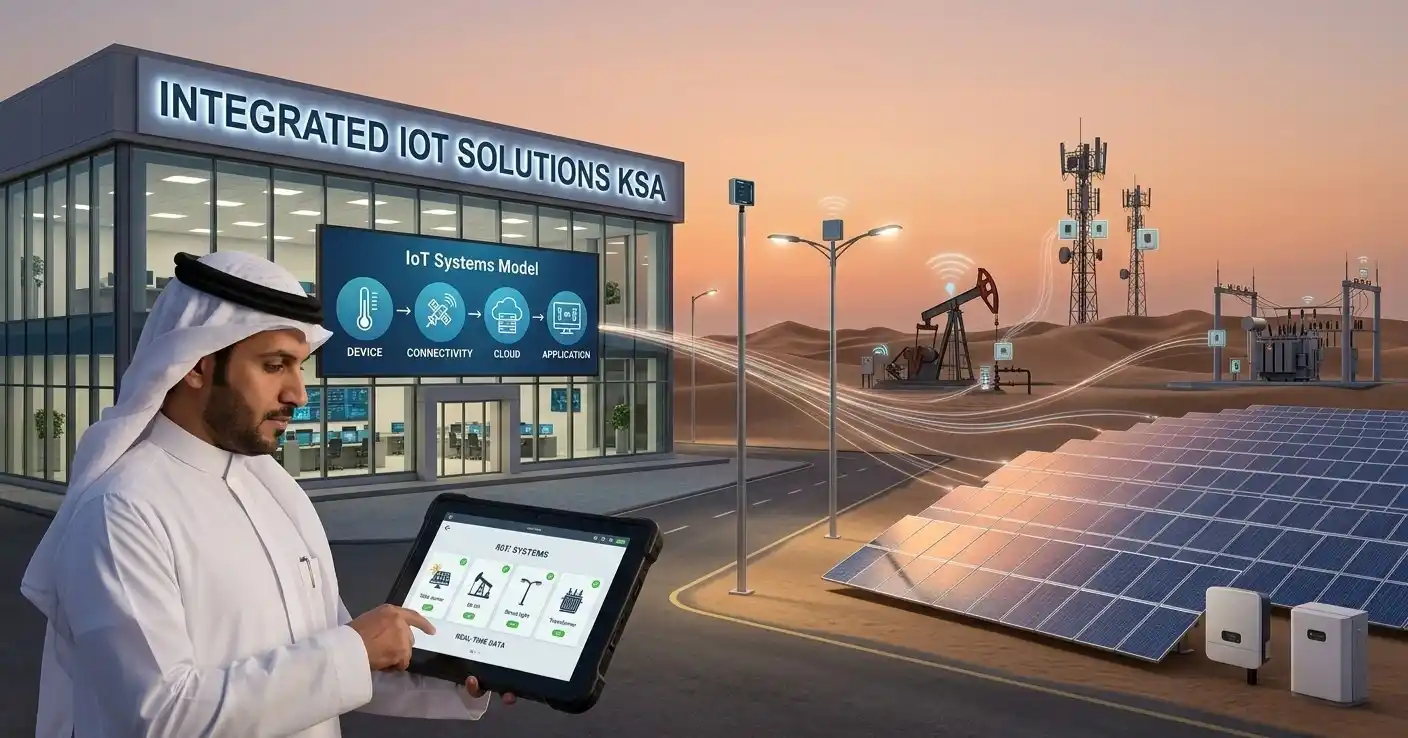
IoT networks collect real-time information through sensors, connected equipment, and monitoring devices. AI strengthens these systems by identifying patterns, detecting anomalies, and automating responses without constant human intervention.
Traditional monitoring systems often rely on manual analysis and reactive maintenance. AI-enabled platforms, however, can predict operational failures before they occur and provide deeper visibility into system performance.
Businesses implementing custom IoT solutions are increasingly using AI to streamline operations, optimize energy consumption, and improve infrastructure reliability.
Intelligent Automation Across Industries
Smart Infrastructure Management
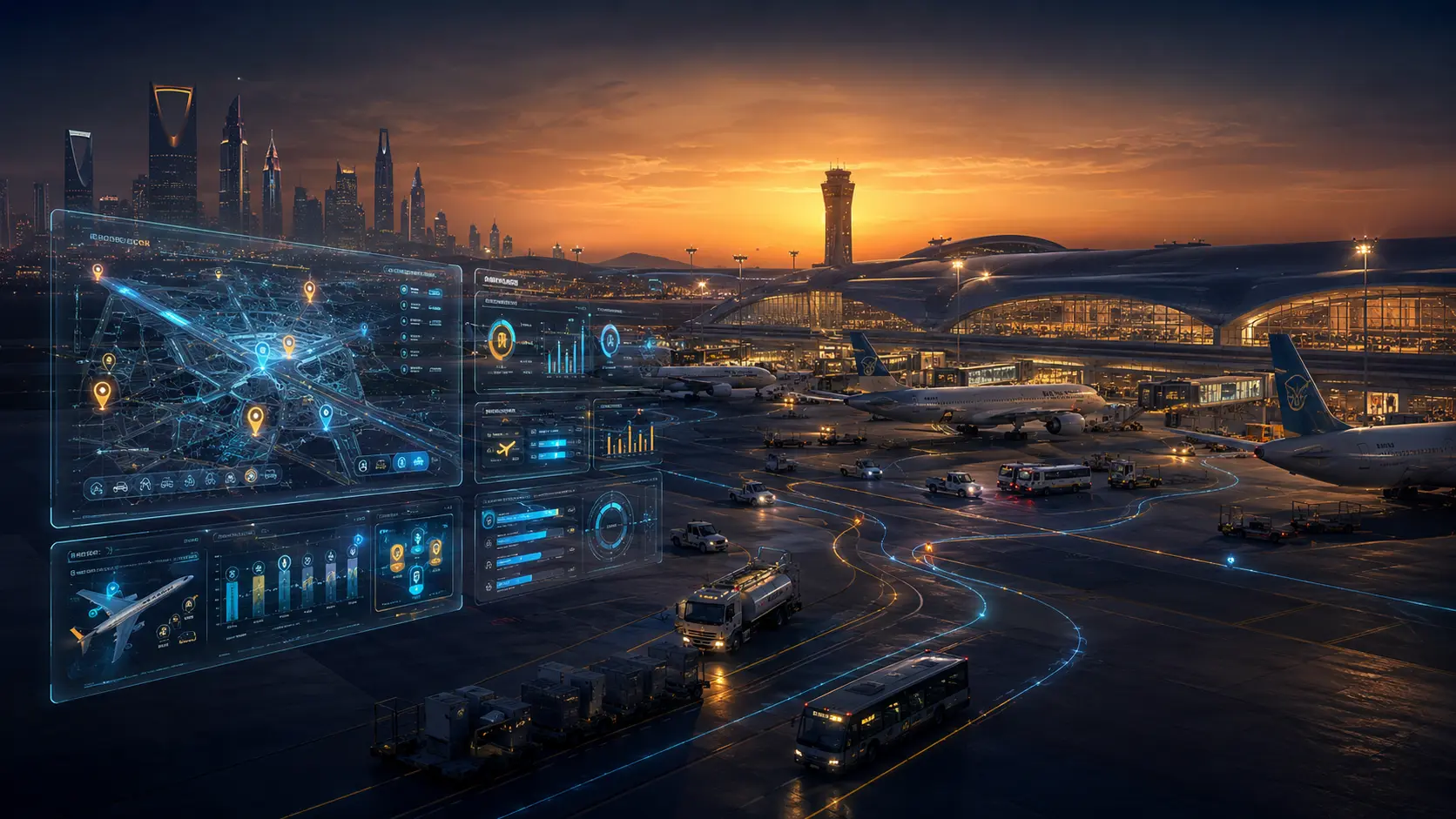
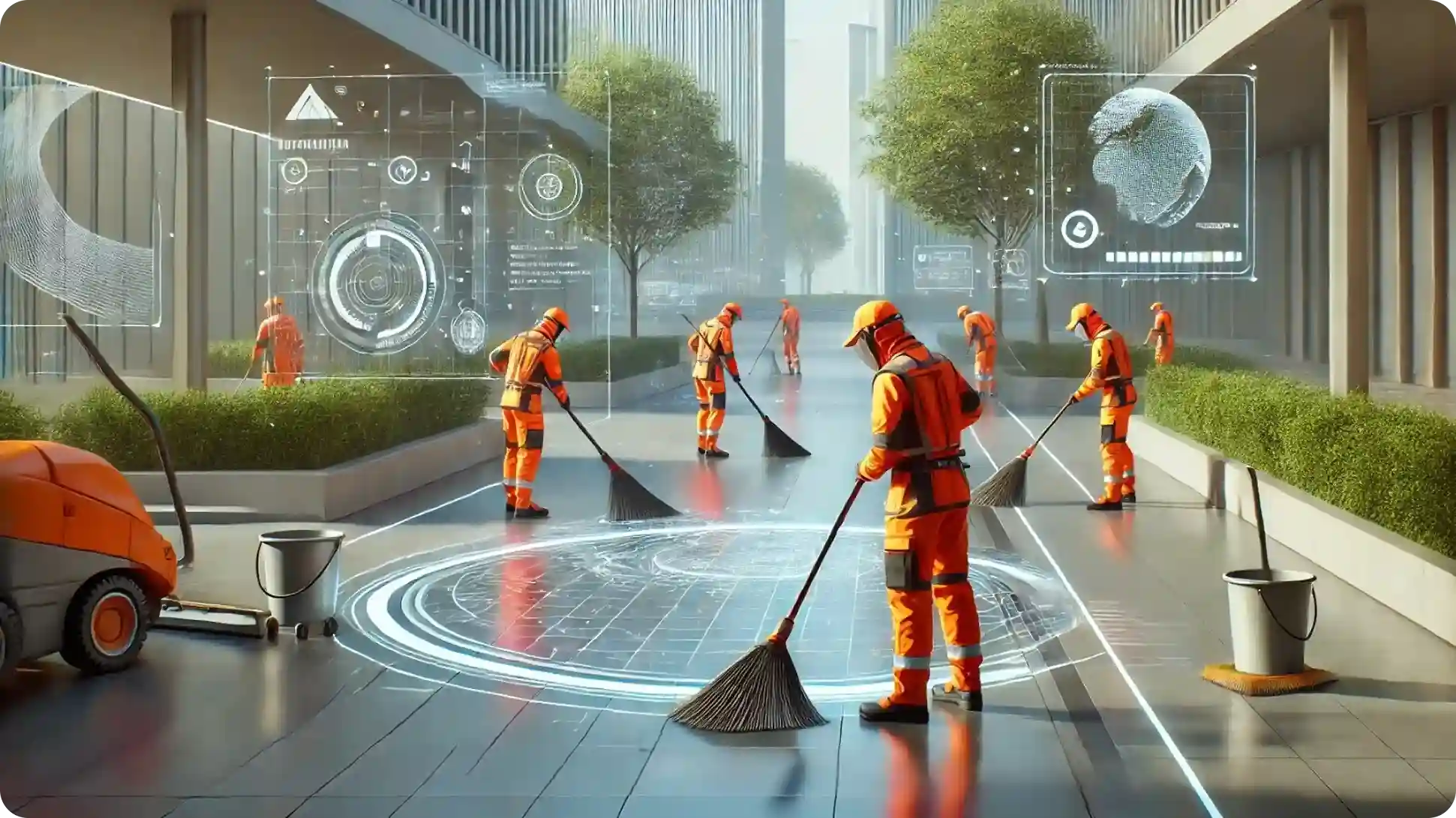
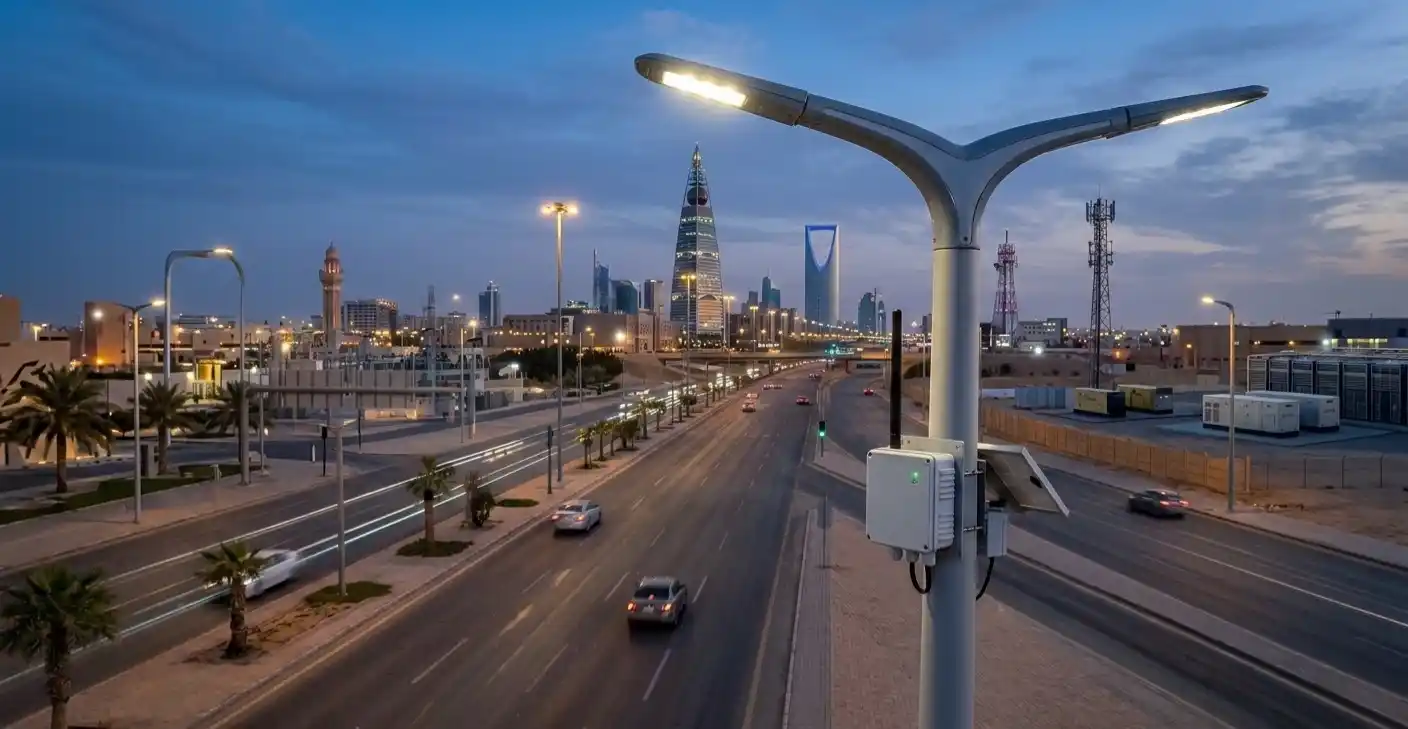
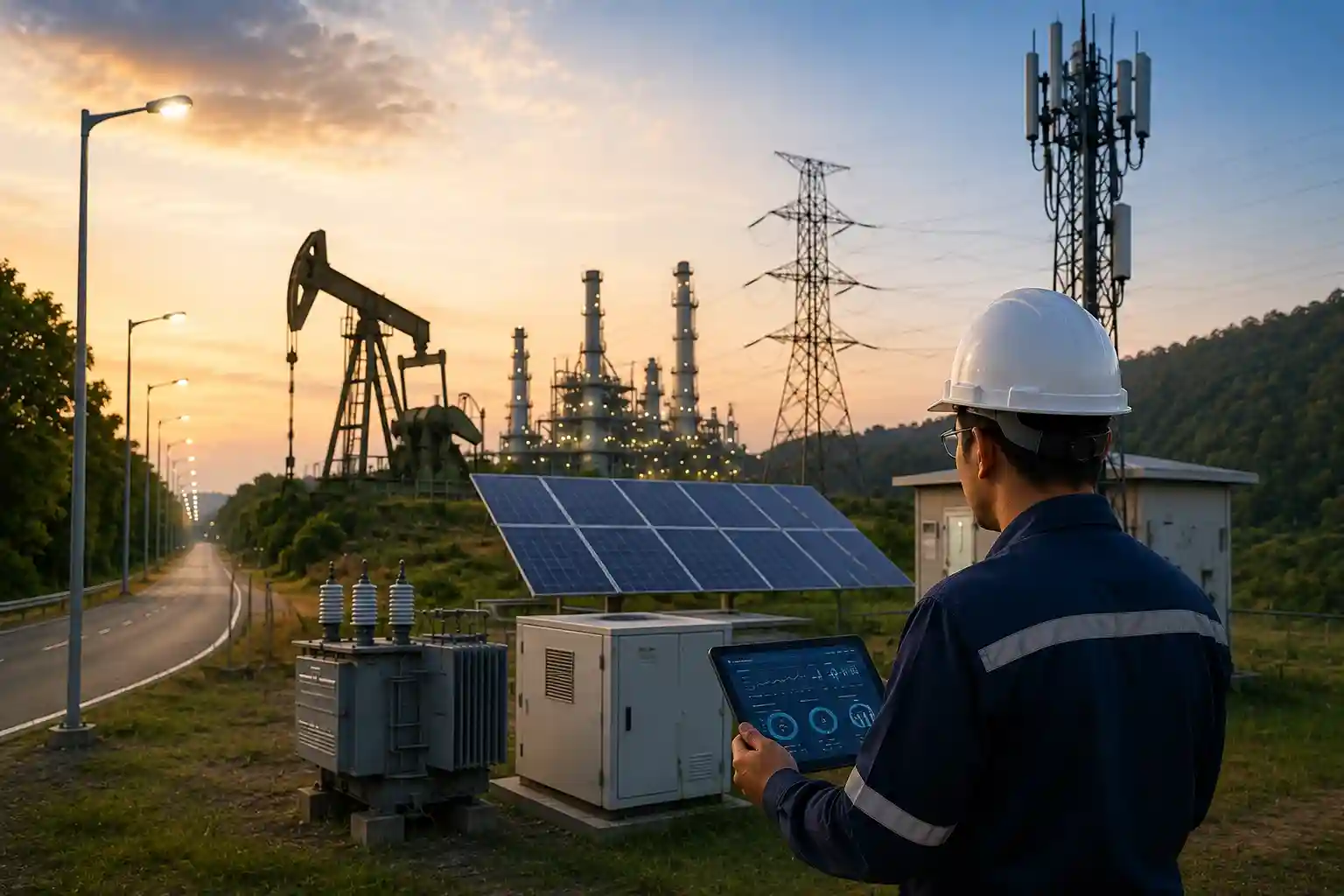
Modern cities and industrial environments require intelligent systems capable of managing large-scale infrastructure efficiently. AI-driven monitoring systems enable organizations to automate lighting systems, utility operations, environmental control systems, and broader public infrastructure management efficiently.
Advanced monitoring technologies also support fault detection, energy optimization, and remote diagnostics through centralized digital platforms.
Organizations investing in IoT and smart cities initiatives are improving urban infrastructure while reducing operational complexity and maintenance costs.
Industrial and Energy Operations
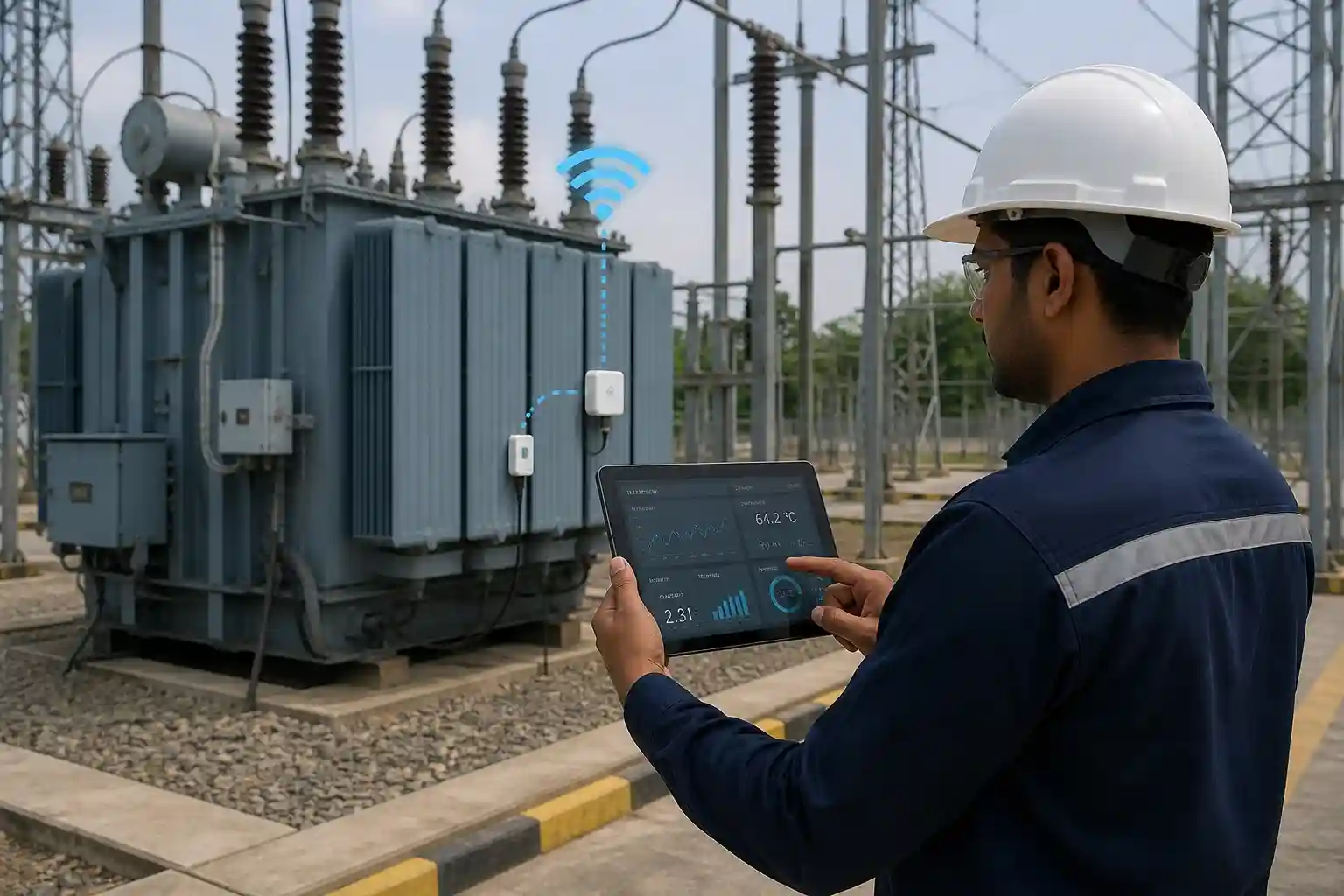
Industrial facilities generate large volumes of operational data daily. AI-integrated IoT systems help businesses analyze this information in real time to improve productivity and equipment performance.
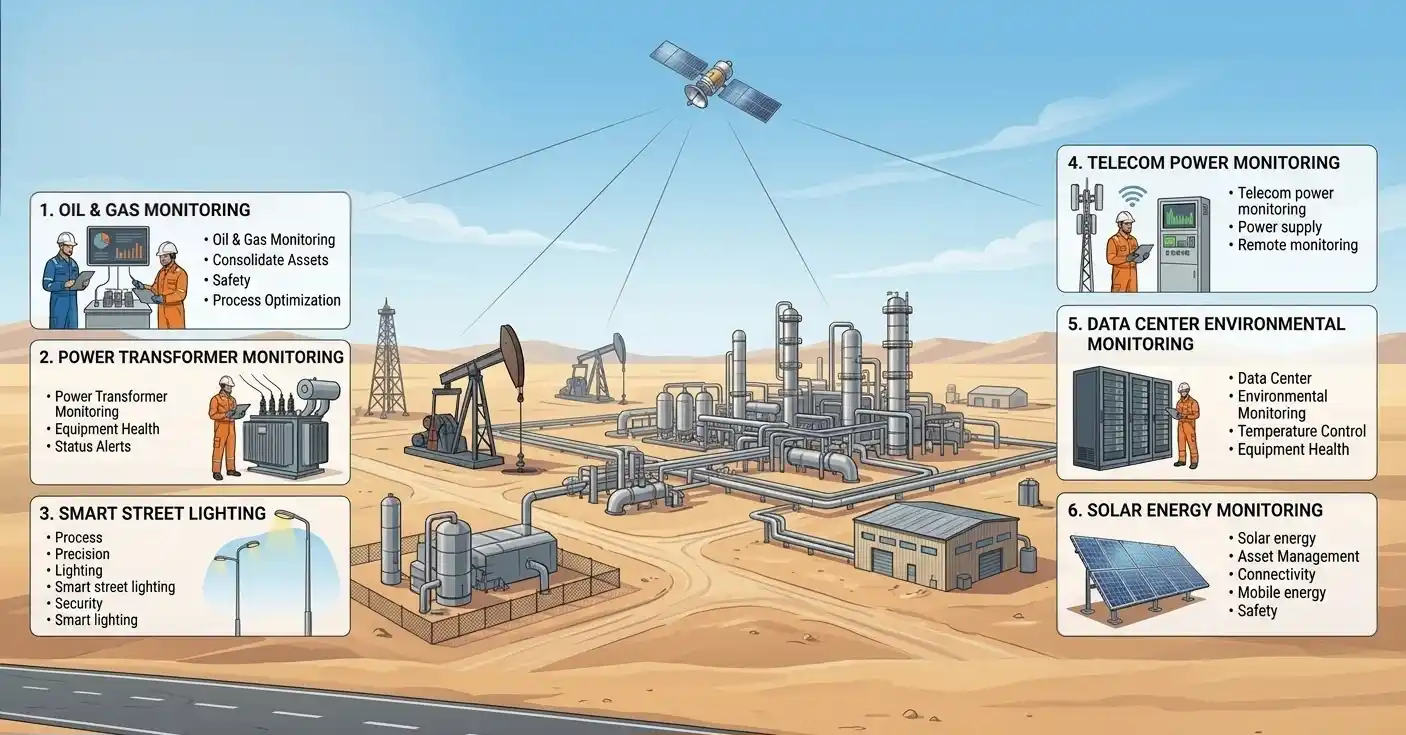
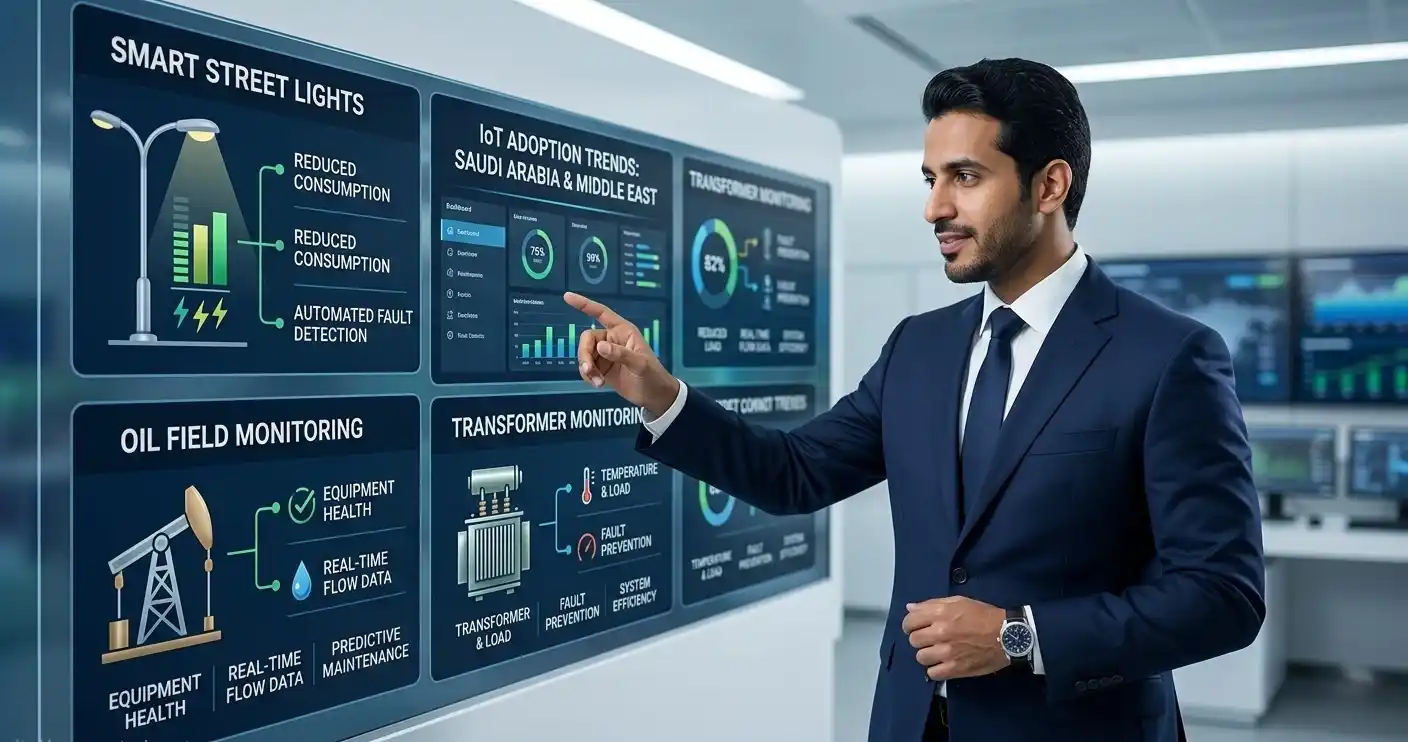
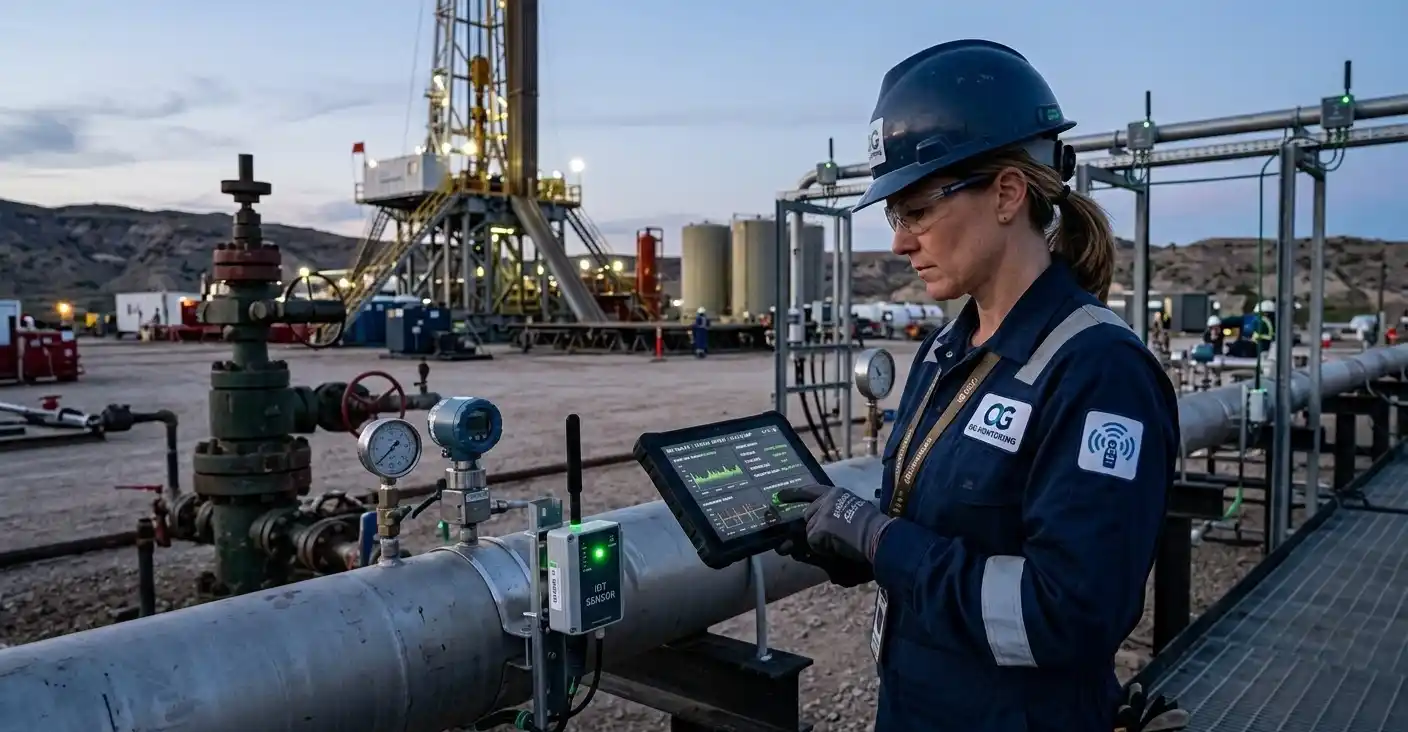
Connected monitoring solutions are widely used in manufacturing plants, power distribution networks, oil field operations, and renewable energy systems.
Organizations that implement industrial IoT solutions and services are able to enhance operational visibility, streamline maintenance planning, and minimize unplanned equipment failures.
Connected Enterprise Ecosystems
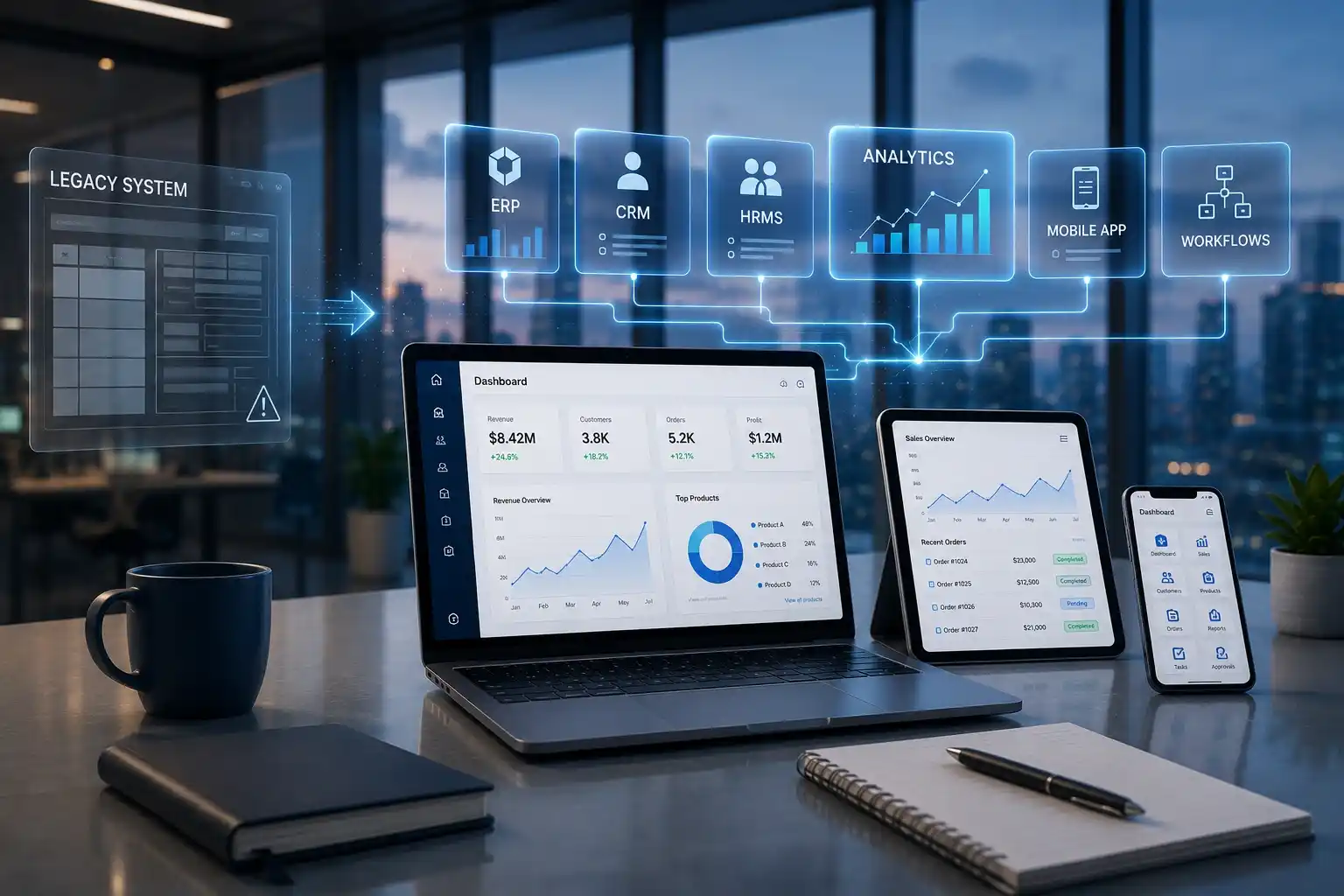
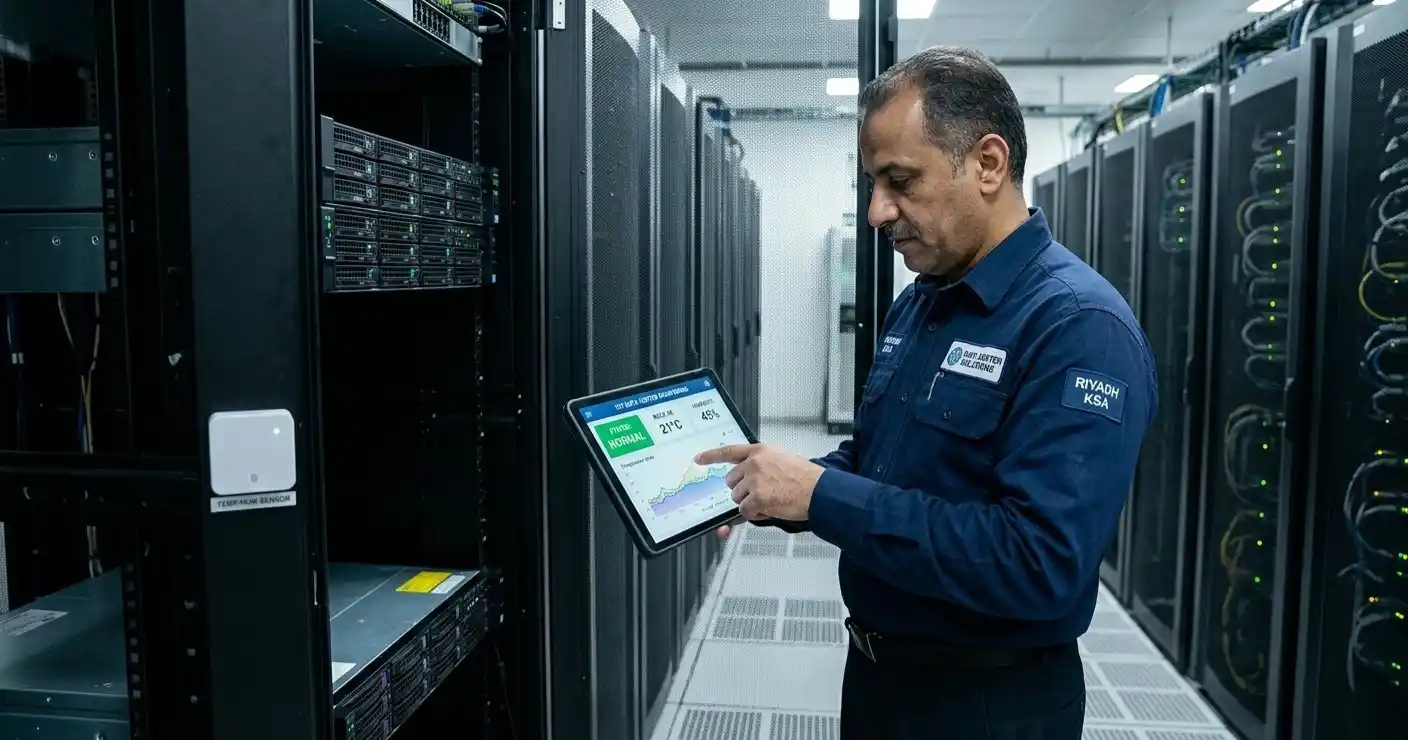
Modern enterprises increasingly depend on connected environments where multiple systems operate together through cloud-based platforms and intelligent analytics.
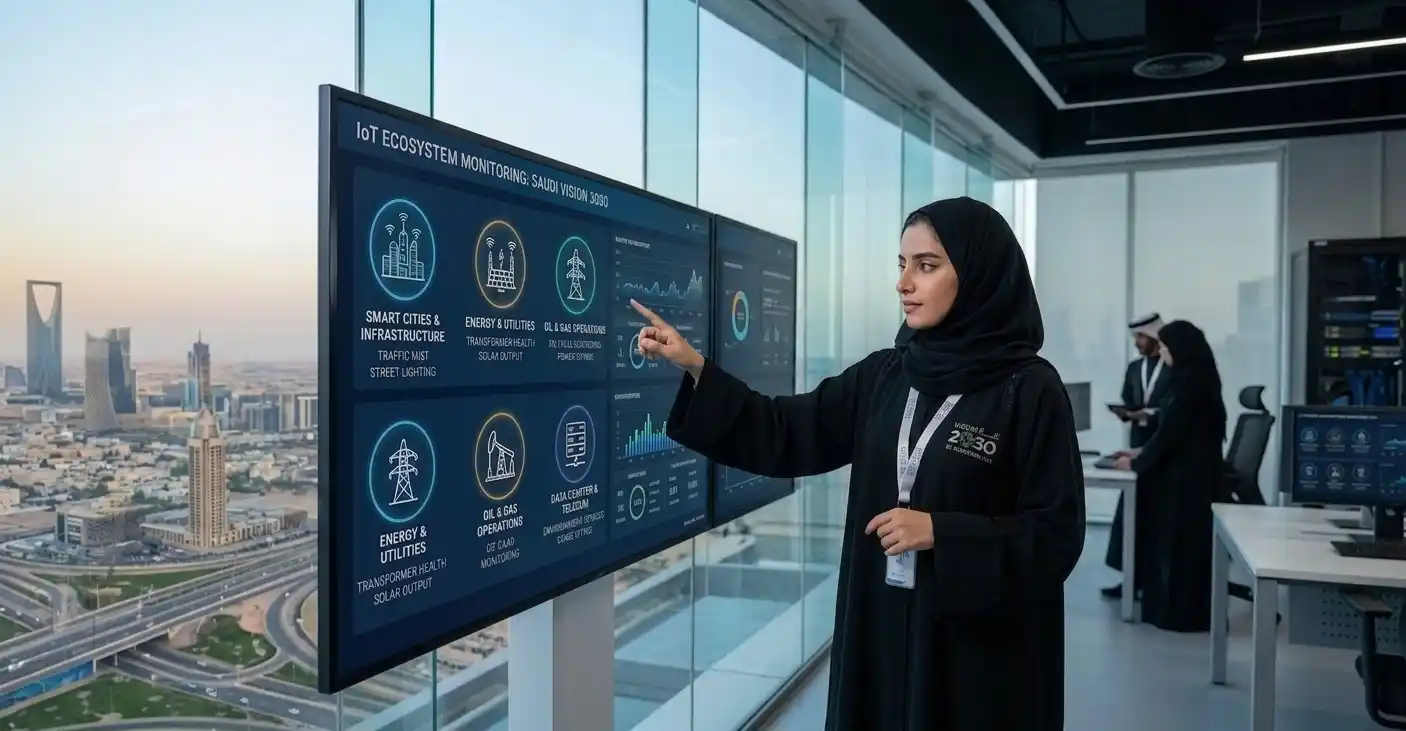
AI-driven IoT ecosystems enable centralized asset monitoring, predictive alerts, and advanced reporting across distributed facilities and remote locations.
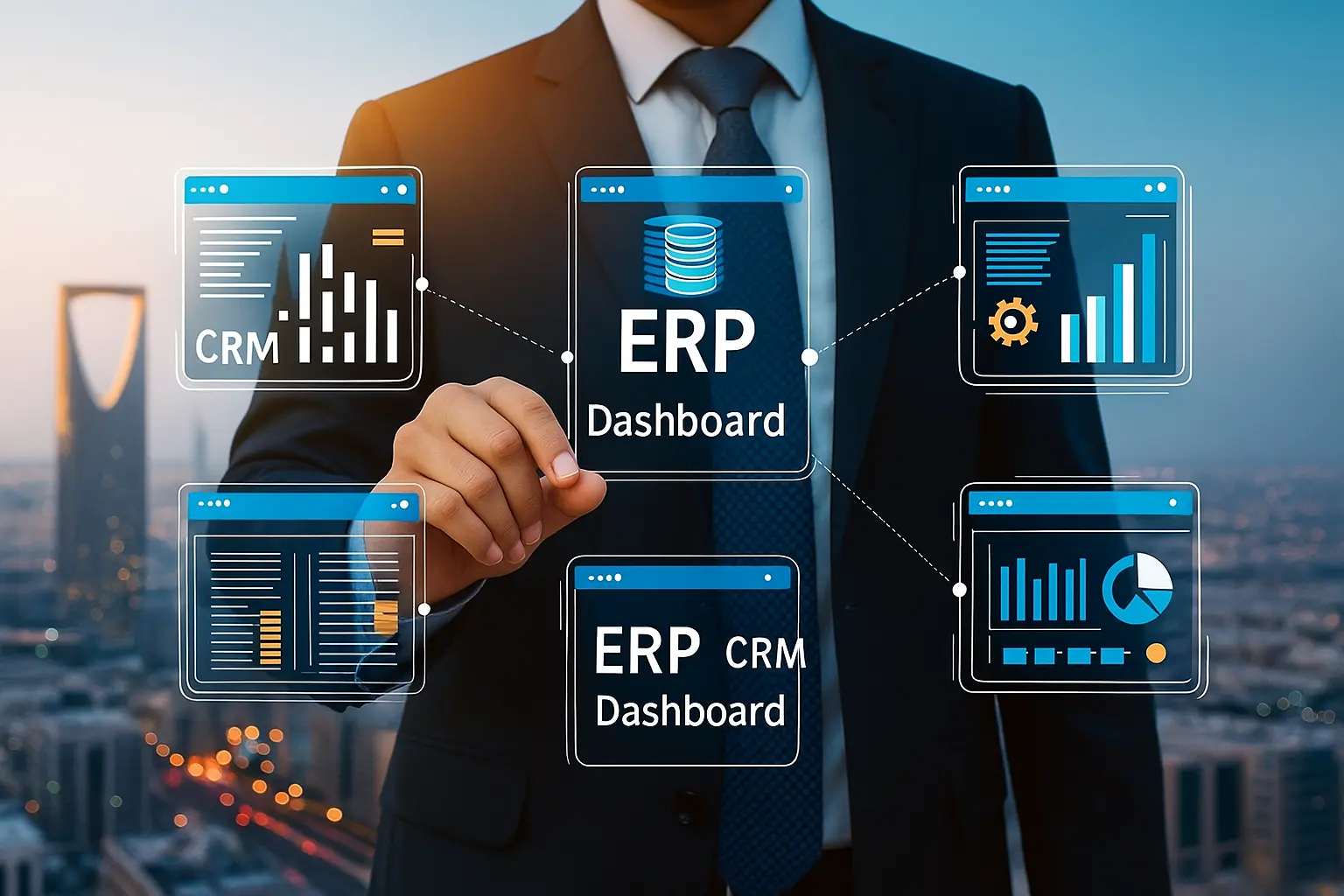
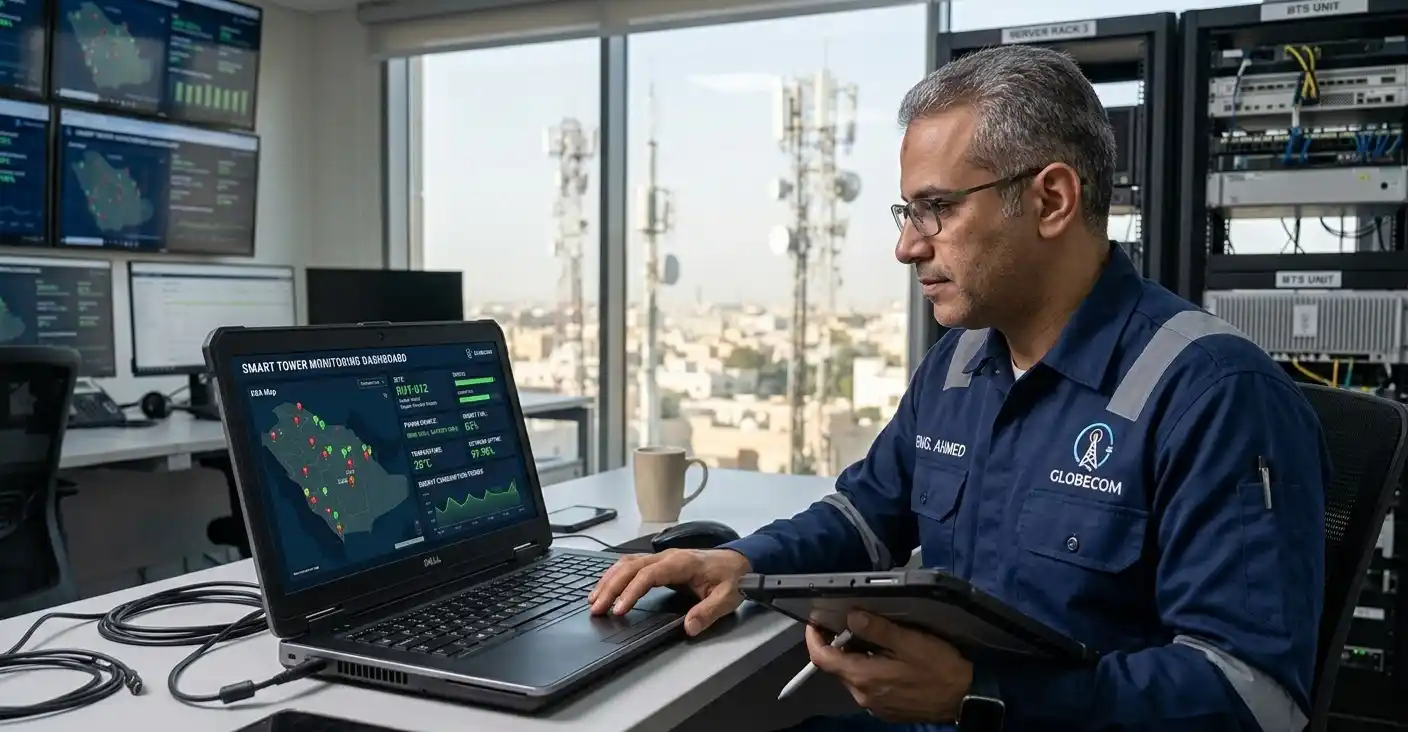
Businesses using smart IoT device management platform technologies can monitor devices, infrastructure, and operational performance from a single integrated dashboard.
Key Benefits of AI-Powered IoT Systems
Predictive Maintenance
AI algorithms continuously analyze equipment behavior and identify early warning signs before failures occur. This minimizes costly downtime and improves maintenance efficiency.
Smarter Decision-Making
Real-time analytics allow organizations to make faster operational decisions using accurate performance data and automated reporting systems.
Improved Resource Optimization
Intelligent monitoring systems help businesses optimize energy usage, equipment utilization, and infrastructure performance while reducing operational waste.
Enhanced Scalability
Cloud-enabled IoT platforms support multi-site monitoring and centralized management for expanding industrial and enterprise operations.
The Future of Intelligent Connected Systems
The future of AI and IoT will focus on deeper automation, edge computing, machine learning, and autonomous decision-making. As industries continue evolving toward digital operations, intelligent systems will play an even larger role in infrastructure management and operational efficiency.
Organizations that adopt AI-integrated monitoring technologies today will gain a competitive advantage through improved reliability, operational visibility, and long-term scalability.
Emerging technologies will continue shaping how businesses manage assets, monitor infrastructure, and deliver smarter services across industrial ecosystems.
Conclusion
AI and IoT are driving a major transformation in how industries operate, monitor infrastructure, and manage resources. Intelligent connected systems provide businesses with real-time visibility, predictive analytics, and automation capabilities that improve efficiency and reduce operational risks.
As demand for smarter infrastructure and connected operations continues to grow, AI-powered IoT technologies will remain at the center of industrial innovation and digital transformation.